In the February 2023 Garden-to-Kitchen blog, we introduced food waste reduction, discussed harvesting entire garden beds, and urged readers to let their gardens rest before the spring planting season. This month, we will examine different ways to preserve food as another means to tackle food-waste reduction.
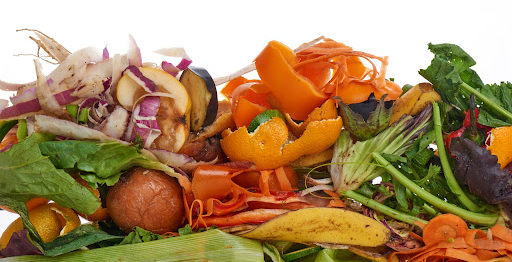
Worldwide, one third of food produced goes uneaten, and 40% of food waste in the United States comes from consumers (Leah’s Pantry, “Food Smarts: Waste Reduction”). Using a variety of food preservation techniques at home, in the garden and kitchen, is a great way to help address this important issue.
Food Preservation:
While the garden beds are resting, make plans to use the harvested produce for meals now and in the future. While some produce can be stored fresh on the counter or in the fridge to be cooked in the coming weeks, remaining produce can be frozen, canned, or dried for future use.
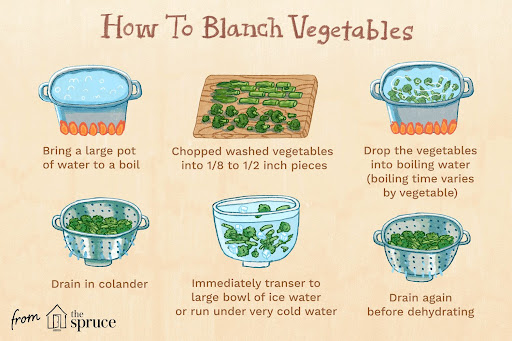
- Freezing: Freezing produce is effective and accessible. Many people already have access to freezers and freezer bags. Frozen foods can be used for three to six months. Freezing for more than six months leaves foods susceptible to freezer burn and worsened quality. Several factors can impact the shelf life of frozen food and include properly blanching the food, packaging food in appropriate materials, and storing food at an acceptable temperature. Read about more tips on freezing.
- Canning: Canning refers to water-bath canning and pressure canning techniques. Products high in acid or sugars (pickles, jellies, jams) can be safely water-bath canned because they have low pH levels. Pressure canning is useful for soups, meats, and low-acid products because this technique stops bacterial growth and safely preserves foods. Kept out of the sun, properly canned products can have a 12 to 18 month shelf life.
*Always use a tried-and-true canning recipe and procedure. Improperly canned products put you at high risk of e.coli and botulism, which can result in death.
- Drying/Dehydrating: Drying, or “dehydrating,” foods is less popular than freezing and canning, but is an equally trusted practice historically. Dehydrated foods are lightweight, easy to store, easy to carry, and can require no preparation when eating (think dehydrated apple or strawberry slices). Drying can be done in a conventional oven, a special dehydrator, or even in the sun, if your location’s climate allows. Read here for more extensive directions on drying foods at home.