

Seasons of Change: Navigating Puberty and Perimenopause Under One Roof
Renée Balyoz, M.Ed., Certified Menopause Coaching Specialist
Health Educator
Poe Center for Health Education
Raise your hand if you are a woman between the ages of 35 and 55 who also has children between the ages of 9 and 18 at home.
If your hand is up, take a deep breath. You are not alone. While supporting young people through puberty, many women are simultaneously experiencing their own physical and emotional changes during the menopausal transition. Guiding your household through a season of growth and change can be challenging to say the least. Understanding those changes and prioritizing healthy habits helps.
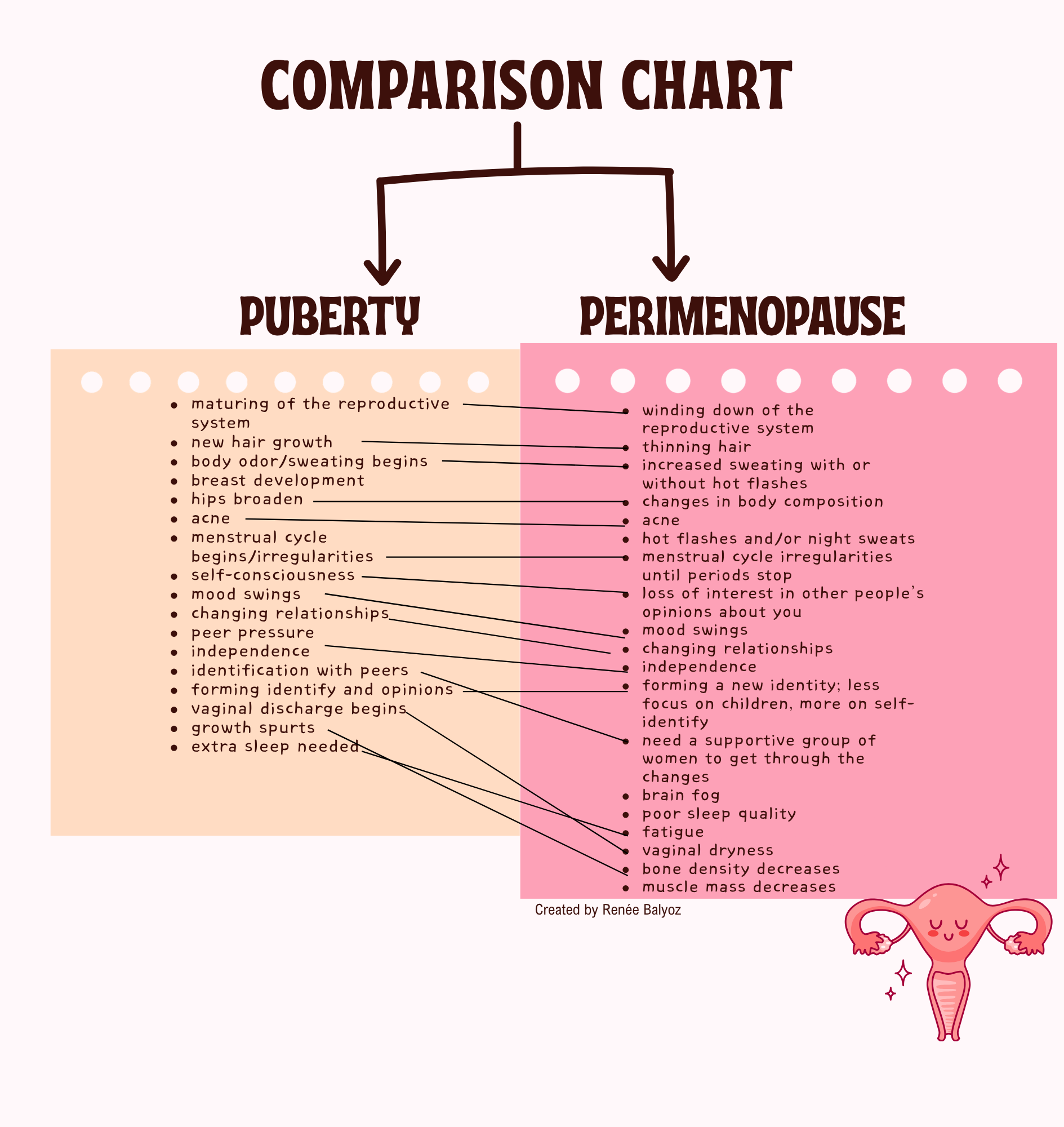
There are many parallels between puberty and perimenopause. Here’s a closer look.
The Biology Behind All the Changes
Puberty
Puberty begins when hormonal signals from the brain activate changes throughout the body. For girls, puberty typically occurs between the ages of 8 and 18. The changes begin at least one year before a girl’s first menstrual cycle. For boys, the changes of puberty can begin as early as 9 and last until age 18. The process unfolds over several years and brings physical, emotional, and cognitive changes.
It’s not a quick process. Young people may feel as though they are on an emotional roller coaster as they adjust to these changes. As they begin to identify more with their peers, social pressures and changing schedules can also affect their sleep. Adequate sleep, nutritious foods, and support from trusted adults can help young people navigate puberty in healthy ways.
Perimenopause
For women, another transition occurs later in life: menopause. Like puberty, the transition to menopause can unfold over several years, with perimenopause starting as early as mid-30’s and lasting up to a decade.
From the onset of puberty, the ovaries and pituitary gland communicate through hormones that help regulate the menstrual cycle and reproductive function. During perimenopause, estrogen and progesterone levels fluctuate, contributing to changes that can affect many parts of the body, including the reproductive, musculoskeletal, urinary, nervous, cardiovascular, and digestive systems, as well as metabolism.

Menopause
Menopause is defined as 12 consecutive months without a menstrual period. It can also occur as a result of medical procedures that remove the ovaries or treatments, such as chemotherapy or radiation that affect ovarian function. After menopause, women enter the postmenopausal stage of life. Some symptoms experienced during perimenopause may continue during this stage, although experiences vary from person to person.
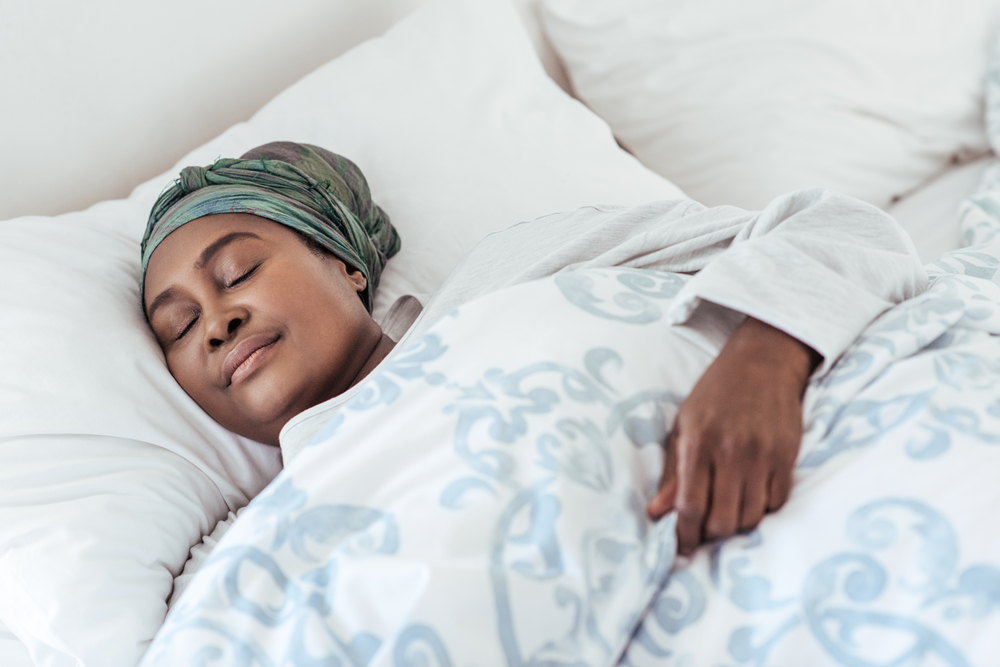
Just as young people benefit from healthy habits and social support during puberty, prioritizing adequate sleep, eating a nutritious diet that includes protein-rich foods, and incorporating strength training to support muscle and bone health can help women care for their bodies during perimenopause and beyond.
A supportive network of women and access to accurate health information are equally important, especially as women move into their postmenopausal years.
Sleep

Healthy Food

Strength Training
Navigating Change: Knowledge Is Power
Despite the differences, puberty and perimenopause share a common thread: change. Both bring physical, emotional, and cognitive shifts. Understanding these changes can be empowering. It can lead to more effective communication and help people feel better prepared to ask questions and advocate for their health.
Access to medically-accurate information and the ability to describe the changes you are experiencing can also make conversations with health care providers more productive.
For women, understanding what to expect during perimenopause can help them recognize changes in their own bodies and know when to seek medical guidance. For parents and other trusted adults, learning about puberty can make it easier to offer young people the support, understanding, and reassurance they need.

Compassion is essential, both for ourselves and for our children. Rest, nutritious food, open communication, and a healthy support network can make a meaningful difference as families navigate these transitions together.
The Poe Center is pleased to announce that it will offer a new program about menopause in 2027 to help women better understand the changes they may experience. Keep an eye out for more information!
Featured Program:
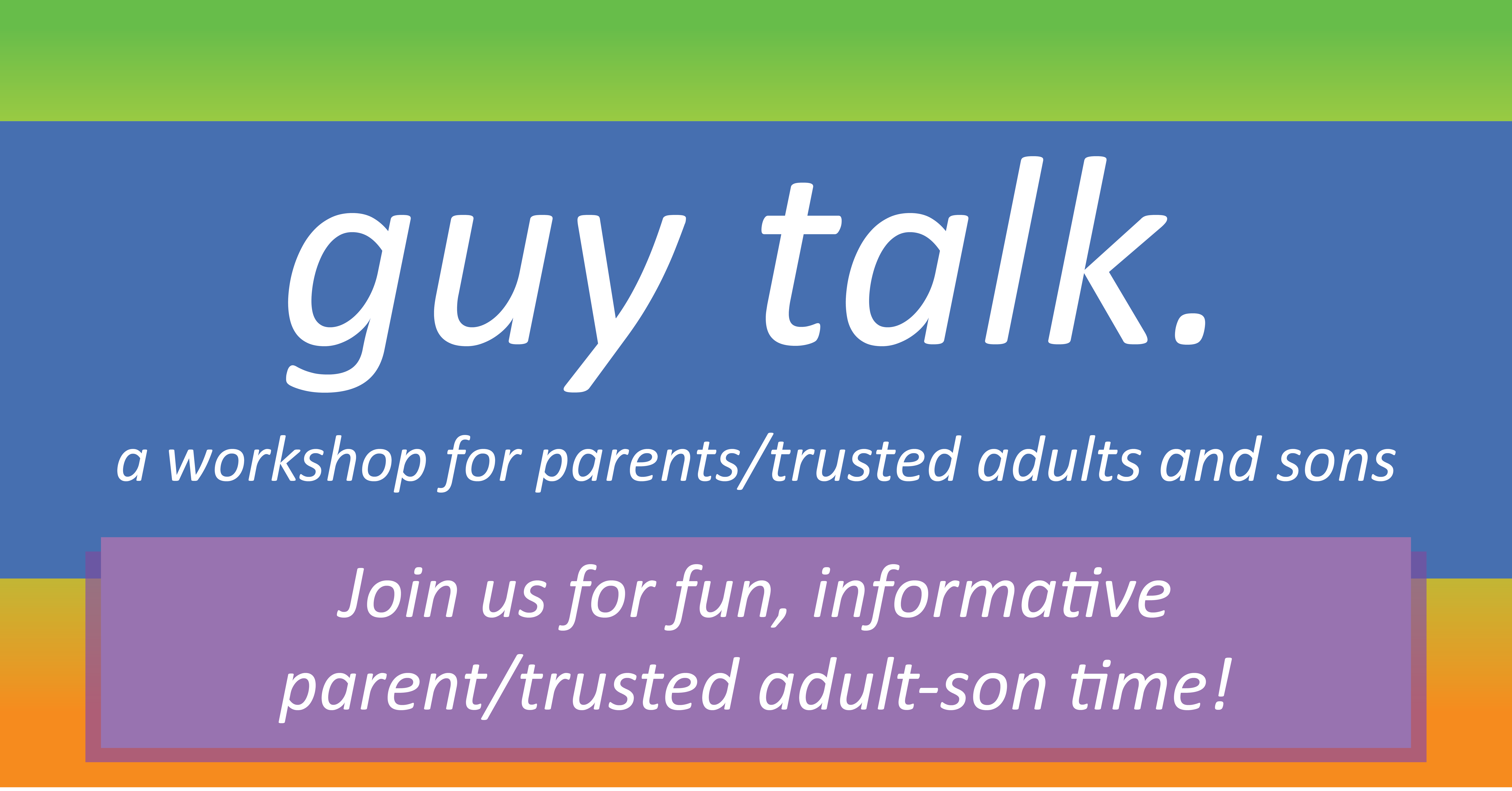
Guy Talk will equip boys with accurate age-appropriate information developed to help with healthy growth and development. Workshop topics include the changes which happen during puberty, the reproductive system, proper nutrition, and hygiene.
Next event: Saturday, January 16, 2027
Schedule this program for: 5th-8th Grade boys and their parent/caregiver
Program Length: 2 Hours
Featured Program:
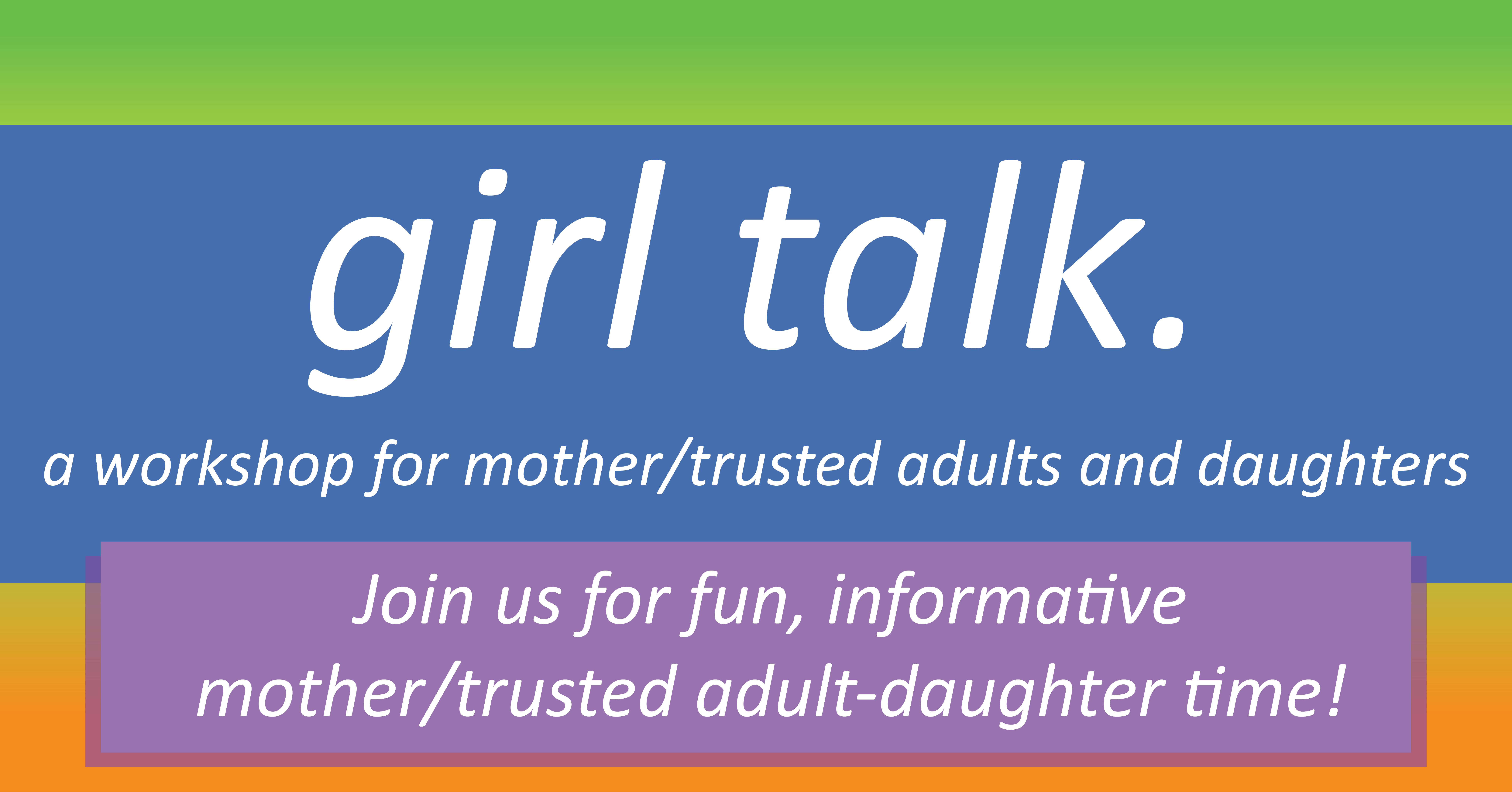
Girl Talk addresses the timely topic of adolescent growth and development and the physical, social, and emotional changes that girls experience during puberty. Poe educators show off some of our 3-D exhibits, lead activities, and hold candid discussions to help daughters and their caregivers explore a range of topics from the workings of the reproductive system to the menstrual cycle to feminine hygiene protection and more.
Next event: Saturday, February 13, 2027
Schedule this program for: 3rd -7th grade girls and their parent/caregiver
Program length: 2 hours
The Poe Center offers Girl Talk and Guy Talk programming year-round.
Can’t make this upcoming event? Find a list of upcoming events on our “Events” page.