
Growing Strong: Helping Children Thrive Using the 8 Dimensions of Wellness
Virginia Johnson
Substance Use Prevention Senior Director
Poe Center for Health Education
Jessica Fowler, MS, CPS
MindWELL Associate Director
Poe Center for Health Education
As parents and caregivers, we want children to grow into healthy, confident, and resilient adults. One of the most powerful gifts adults can give children is the tools they need to increase their resilience and wellness.
There are eight dimensions of wellness that can be used as a map to guide your focus: physical, emotional, social, mental/intellectual, financial, occupational, environmental, and spiritual wellness.
As you focus on these dimensions, remember that wellness is not about being perfect. It is about learning balance, connection, and healthy coping. When families practice well-rounded wellness together, children develop habits that support lifelong health and happiness.
Teaching these skills doesn’t require extra classes or complicated lessons. You can weave the dimensions of wellness into everyday family routines.
Begin with weekly family check-ins by asking broad questions. Try asking:
“What helped your body feel good this week?”
“How did you help someone this week?”
“What made you feel proud or happy?”
Over time, family members will become more accustomed to asking and answering these broad questions. Your family can use the following tips to hone in on the eight dimensions of wellness together.

Physical Wellness
Promote physical wellness by moving, eating, and resting together through family walks, impromptu dance parties, stretching before bed, playing outside, cooking together, playing a sport, or riding bikes.
Try having a “Rainbow Meal” night by preparing foods filled with a “rainbow” of colorful produce, emphasizing the vitamins and nutrients in each fruit or veggie. Incorporating these activities helps children learn that caring for their bodies feels good.
Emotional Wellness
Help children increase their emotional wellness by talking about emotions, using a feelings chart, sharing highs and lows about each day at dinner, and practicing a new feeling word each week to build emotional vocabulary.
It is also important to open an honest dialogue and ask each other about both strengths and areas for improvement. When children feel their bodies becoming stressed, try suggesting a quick “reset” that will increase a child’s ability to bounce back.
Some resets include simple tasks such as:
-
- Taking a sip of water.
- Counting backward.
- Naming six colors in the room.
- 5-4-3-2-1 grounding using the senses.
Social Wellness
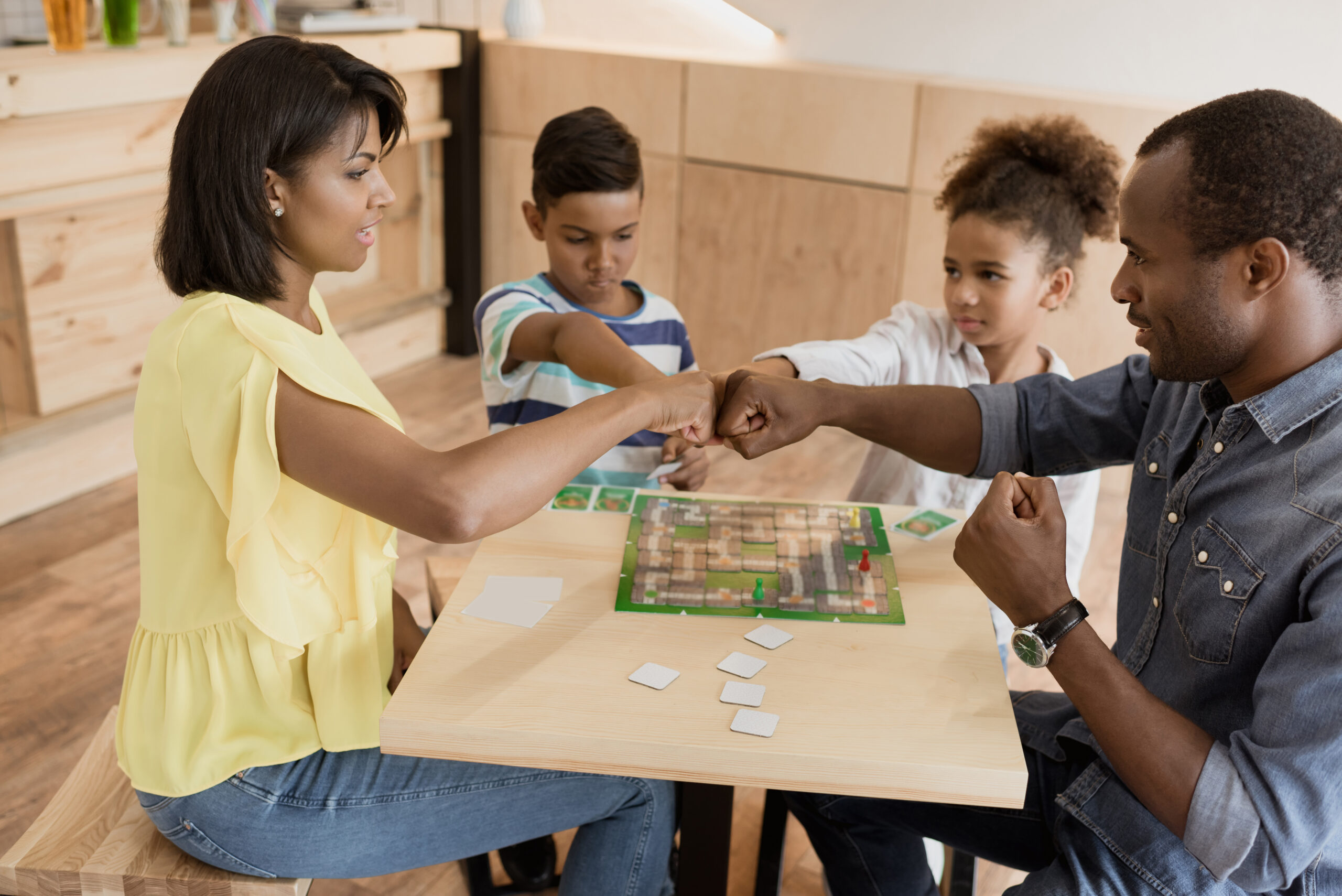
Promote social wellness by strengthening relationships and building connections through gathering for family game nights, watching a favorite movie together, doing puzzles together, and having playdates with friends.
Play the Poe Center’s custom-built Fortnite Island, Neural Fortification. Designed for middle-high school students, players embark on a journey to make healthy nutritional, social, and growth-mindset choices to fortify resilience within themselves. Try it out now!
Mental and Intellectual Wellness
Support mental and intellectual wellness by learning and growing together with visits to libraries, museums, and parks.
Try playing new games, working on a puzzle, having healthy debates that look at different perspectives, or experimenting with new hobbies. Learning together builds confidence and curiosity.
Spiritual Wellness
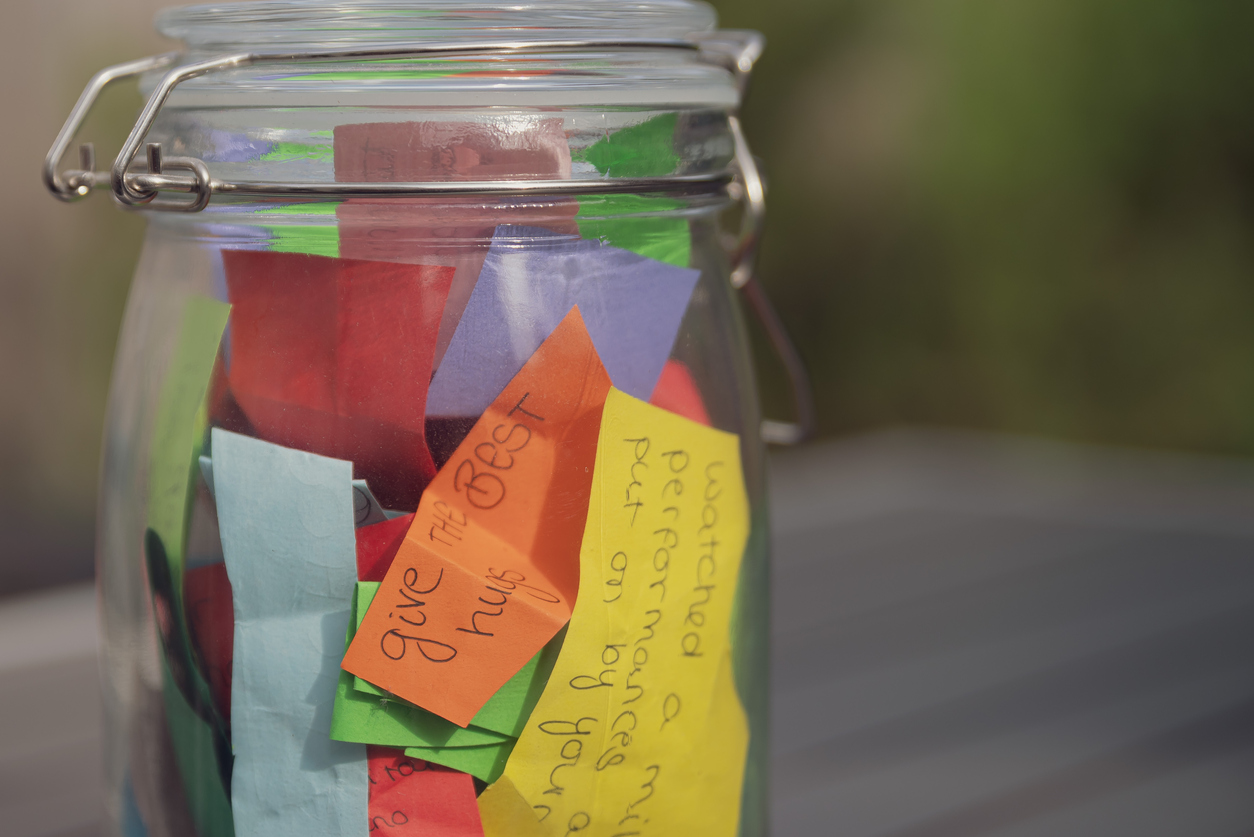
Spiritual wellness centers around meaning, purpose, and a sense of balance. Try to foster spiritual wellness by creating a gratitude jar, sharing one thing each person is thankful for before bed, or talking about shared family values.
Occupational Wellness
Foster a sense of occupational wellness by participating in activities that provide meaning and purpose to your children’s lives. This may include volunteering together, doing random acts of kindness, or helping with chores. These conversations and activities help children feel grounded and purposeful.
Environmental Wellness
Help children increase their environmental wellness by teaching them to care for their space. Some ideas include creating a calm corner in the home, composting together, recycling, and organizing as a family. Through these practices, children learn responsibility and teamwork.
CookWELL Kitchen
Learn about composting, recycling, and responsibility in the kitchen as you explore the Online CookWELL Kitchen.
Financial Wellness
An important facet of every child’s life is financial wellness. A sense of satisfaction with current financial situations can have an impact on overall wellness. Support your children’s financial wellness by teaching them how to pay for something at the store. Or, give children the task of creating a budget for an activity, meal, or toy.
As you implement the eight dimensions of wellness in your life and in your family’s routines, be sure to include room for self-care.
Remember, self-care is not selfish. Children learn self-care by watching adults, and they model their activity after you. When adults practice kindness toward themselves, this act teaches children to do the same. Small steps can make a big difference.
Wellness does not require perfection. It requires intention and consistency.
Sources
- Chen, S. (2018). Give Yourself a Break: The Power of Self-Compassion. Harvard Business Review, 116-123. Give Yourself a Break: The Power of Self-Compassion.
- Creating A Healthier Life A Step-By-Step Guide to Wellness. Substance Abuse and Mental Health Services Administration. Retrieved July 11, 2023, Creating A Healthier Life A Step-By-Step Guide to Wellness.

Featured Program:
As adults, we spend a lot of time caring for our children or others, and sometimes we forget our own self-care. This program will empower participants to explore the positives and negatives of stress and the effects ongoing stress can have on their mental, physical, and emotional health.
Participants will have an opportunity to explore self-care strategies and develop a plan to develop a wellness routine. During the discussion, we will also cover how stress affects youth, including tips on increasing mental wellness, promoting coping strategies, and building resilience.
Program Participants: Adults
Program Length In-Person: 90 minutes
Featured Activity:
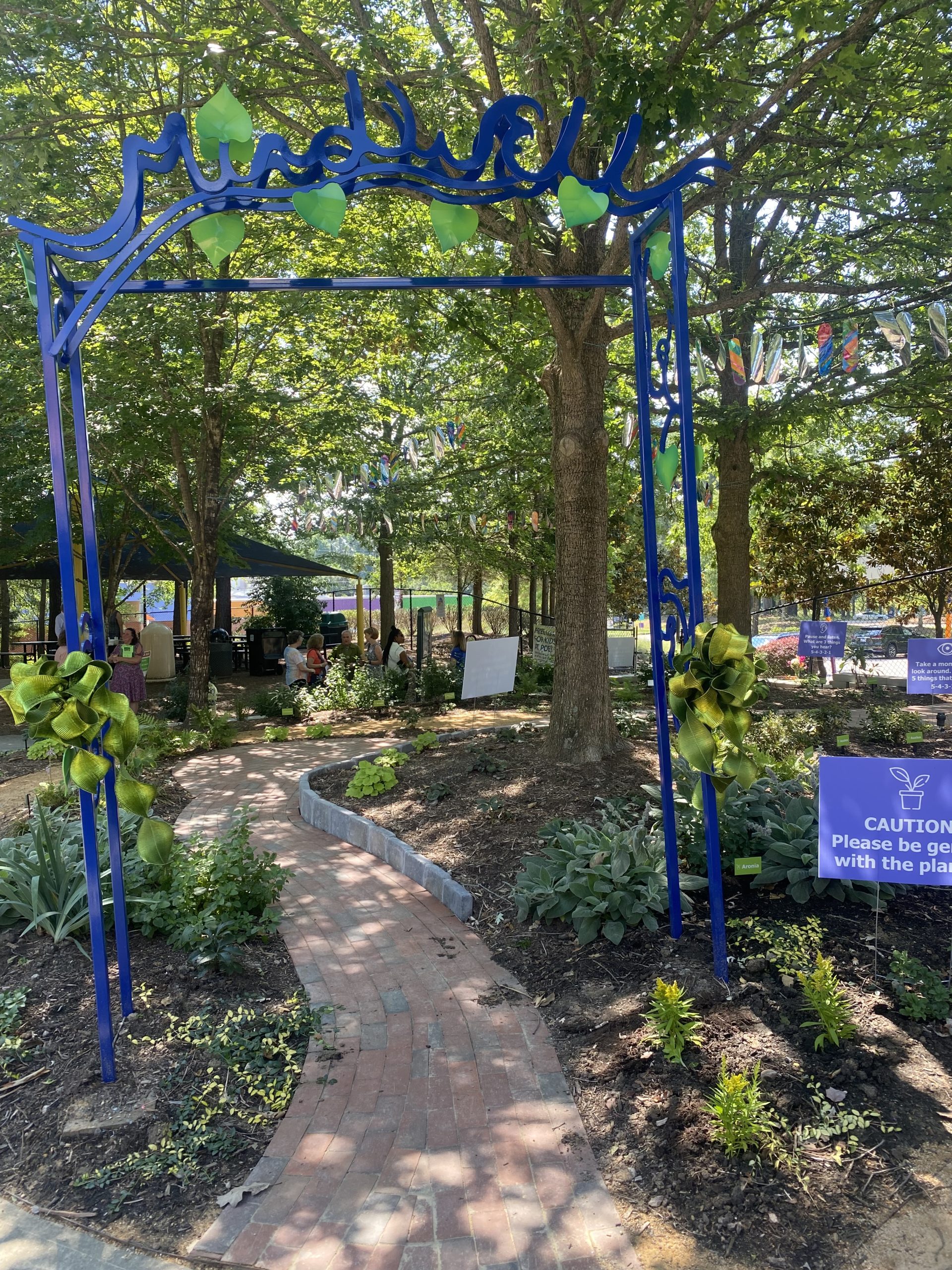
Take a mindful stroll through the MindWELL Garden and Labyrinth, located in the Poe Center’s onsite PlayWELL Park. The garden is full of native and pollinator plants, plus a meditative labyrinth. Educational and mindfulness activity signs encourage visitors to explore. Visit the mindfulness activity library for a small souvenir.