The Impact of Youth Empowerment
Virginia Johnson
Substance Use Prevention Senior Director
Poe Center for Health Education
As parents, we want our teens to feel confident, capable, and connected—to believe that their voices matter and that they can make a positive difference in the world around them. Youth empowerment programs help make that possible by giving young people meaningful opportunities to learn, lead, and take action alongside supportive adults.
Youth empowerment isn’t just about leadership and public speaking. It’s about helping teens build confidence, develop skills, form healthy relationships, and discover that their ideas and perspectives truly matter.
What is a Youth Empowerment Program?
Youth empowerment programs provide a vehicle for teens to positively influence their communities. As Ayush Avaiya, a 10th grader, shared, “Youth empowerment is a way to be influential to our community and grow personally alongside it.”
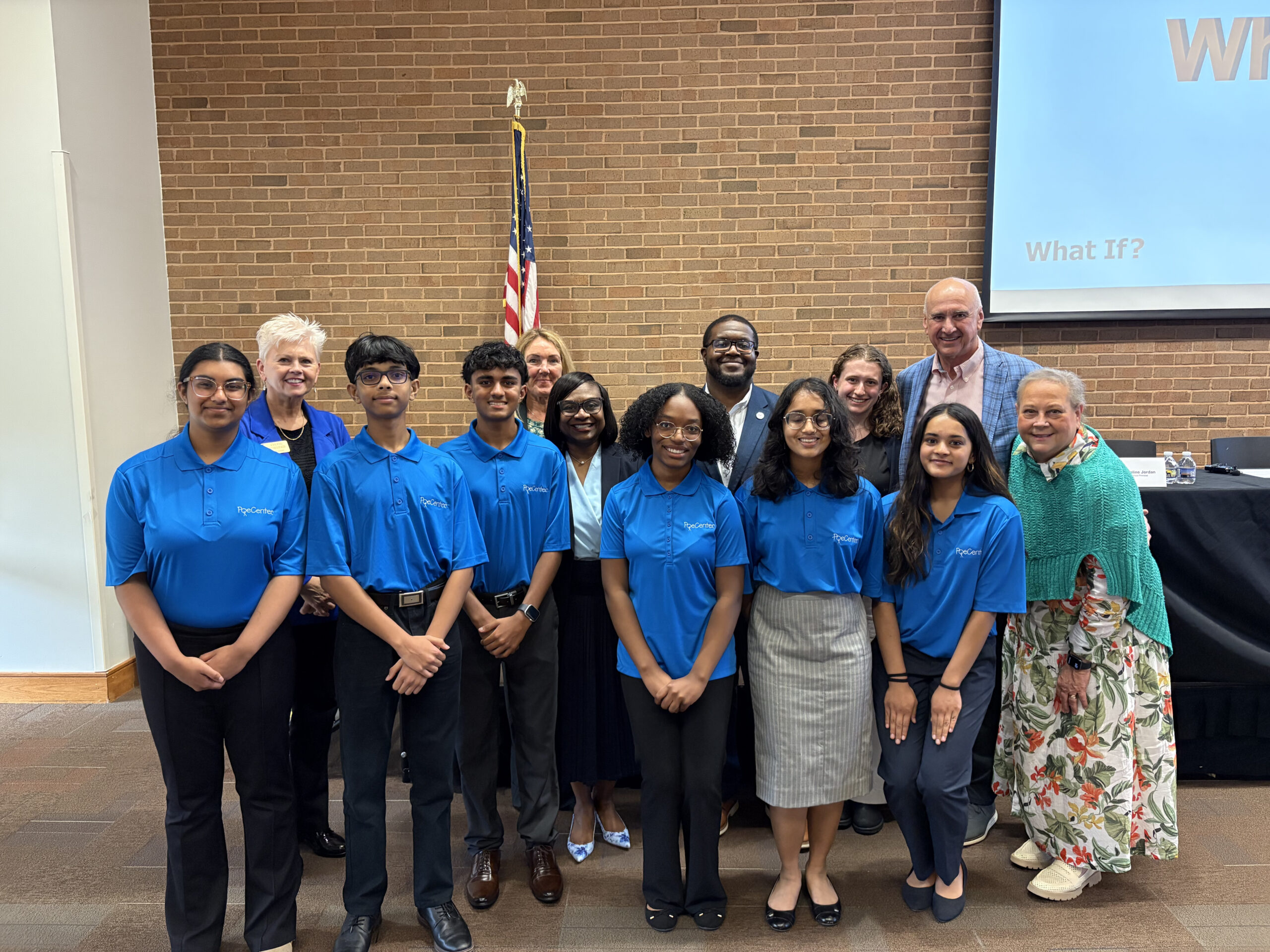
Many teens feel unsure or nervous at first when joining a Youth Empowerment team. Ayush described feeling hesitant when he initially joined, but over time—and through participating in meetings, events, and preparing for the Youth-Led Tobacco-Free Community Forum—he realized the impact youth can have when they work together. Through youth empowerment, he gained skills in “public speaking, communication, message delivery, and, most importantly, teamwork.”

Building Confidence Through Purpose and Belonging
For many teens, involvement in a youth empowerment program provides something essential: a sense of belonging and purpose. Shreena Patel, a 9th grader, joined because she noticed young people in her community struggling with mental health, confidence, and issues such as vaping and self-harm.

Shreena explained, “Being a part of a team makes you a lot more confident, teaches new things, and shows how I can help my community.” Through volunteering to teach younger children about traffic and road safety at PoeFest, Shreena strengthened her communication skills and learned that empowerment also means helping others learn and grow. “It helps to know that I can make a difference with the youth empowerment team because we all help each other out.”
Speaking Up and Being Heard
Youth empowerment programs support teens in expressing their ideas and advocating for change. Uma Kuncha, an 11th grader, described youth empowerment as “a unique opportunity that serves as an avenue for youth advocacy and education regarding numerous community issues.”
Motivated by opportunities such as the Youth-Led Tobacco-Free Community Forum, speaking on panels, and advocating for policy change, Uma joined to promote positive substance use prevention efforts. Through completing Photovoice projects and public speaking, she gained confidence and learned the power of teamwork. “It is incredibly rewarding to be a part of a team of passionate peers who encourage each other and share my same interests, striving for a better community.”
Similarly, Ajani Doss, a 9th grader, shared that youth empowerment gives young people “strength and hope” and “encourages them to share their voices and fix problems they notice in their communities.” Even after joining just this year, Ajani states he is learning how to choose effective tools for change and sharpening his ability to articulate ideas.
Real‑World Experiences That Make a Lasting Impact
Youth empowerment creates meaningful, real‑world experiences that teens carry with them into adulthood. Yashasvi Saxena, a 10th grader, described youth empowerment as “joining a group of teens who are committed to making a real impact.”
One of Yashasvi’s favorite moments was speaking at a Raleigh City Council meeting about a proposed tobacco‑free ordinance. “Having the chance to address an issue I see every day at my school and in my community was an incredible opportunity,” she shared. That experience strengthened her public speaking skills and gave her firsthand experience engaging with local leaders.
Strong youth empowerment programs don’t happen by accident. They succeed through intentional partnerships between youth and adults that create an atmosphere where young people feel supported and empowered to share their stories and ideas. When youth understand expectations and serve as key leaders in decision-making, they are more engaged and confident.
Strong youth empowerment programs:
-
- Increase confidence and communication skills,
- Strengthen leadership and teamwork abilities,
- Feel connected to peers and their community, and
- Advocate for themselves and their communities.
When young people are supported, heard, and trusted, incredible things happen.
Resources:
- Hart, R. A. (1992). Children’s participation: From tokenism to citizenship (Innocenti Essay No. 4). International Child Development Centre.
- Olsen, P. (2010). Adult 4-H volunteer empowerment in 4-H youth development settings (Doctoral dissertation, Oregon State University). ProQuest LLC. Adult 4-H volunteer empowerment in 4-H youth development settings.
- Youth Empowerment Solutions. (2020). Tip sheet #1: Teacher’s guide to success. University of Michigan School of Public Health. Youth Empowerment Solutions.
Featured Program:
The Poe Center is welcoming 8th-12th grade students to join our Youth Empowerment Teams. Youth Empowerment Team members have the opportunity to:
-
- Enhance public speaking, communication skills, and advocacy.
- Build public health based resume experiences and skills.
- Practice leadership skills and gain experience.
- Earn community service hours.
- Be a positive role model and influence change in your community.
- Meet new people and make friends across NC.
For more information, contact Tamika Gilchrist.