
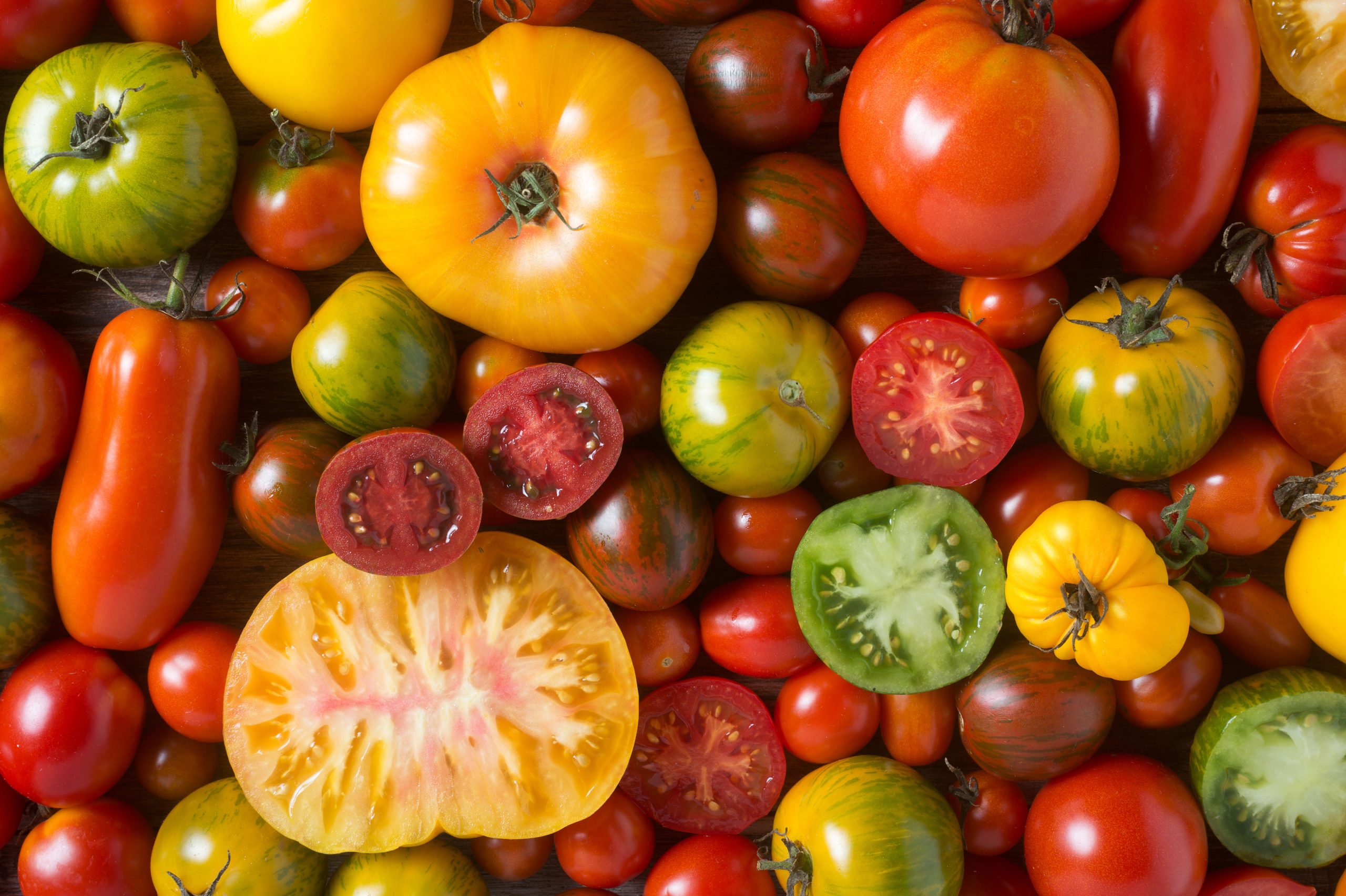
Tomato Harvest and Uses
Tomatoes (Solanum lycopersicum) range in color from yellow and red to purple when fully ripe. They originate from western South America and have been spread worldwide with Spanish colonization. Read below to learn about harvesting, cooking, and storing tomatoes.
Harvesting Tips:
- Be ready! Tomatoes can be harvested mid to late summer, sometimes on a daily basis, depending on the variety.
- Harvest individual tomatoes right away once they are fully ripe to achieve ideal flavor and to beat any pests that might enjoy your ripe tomato.
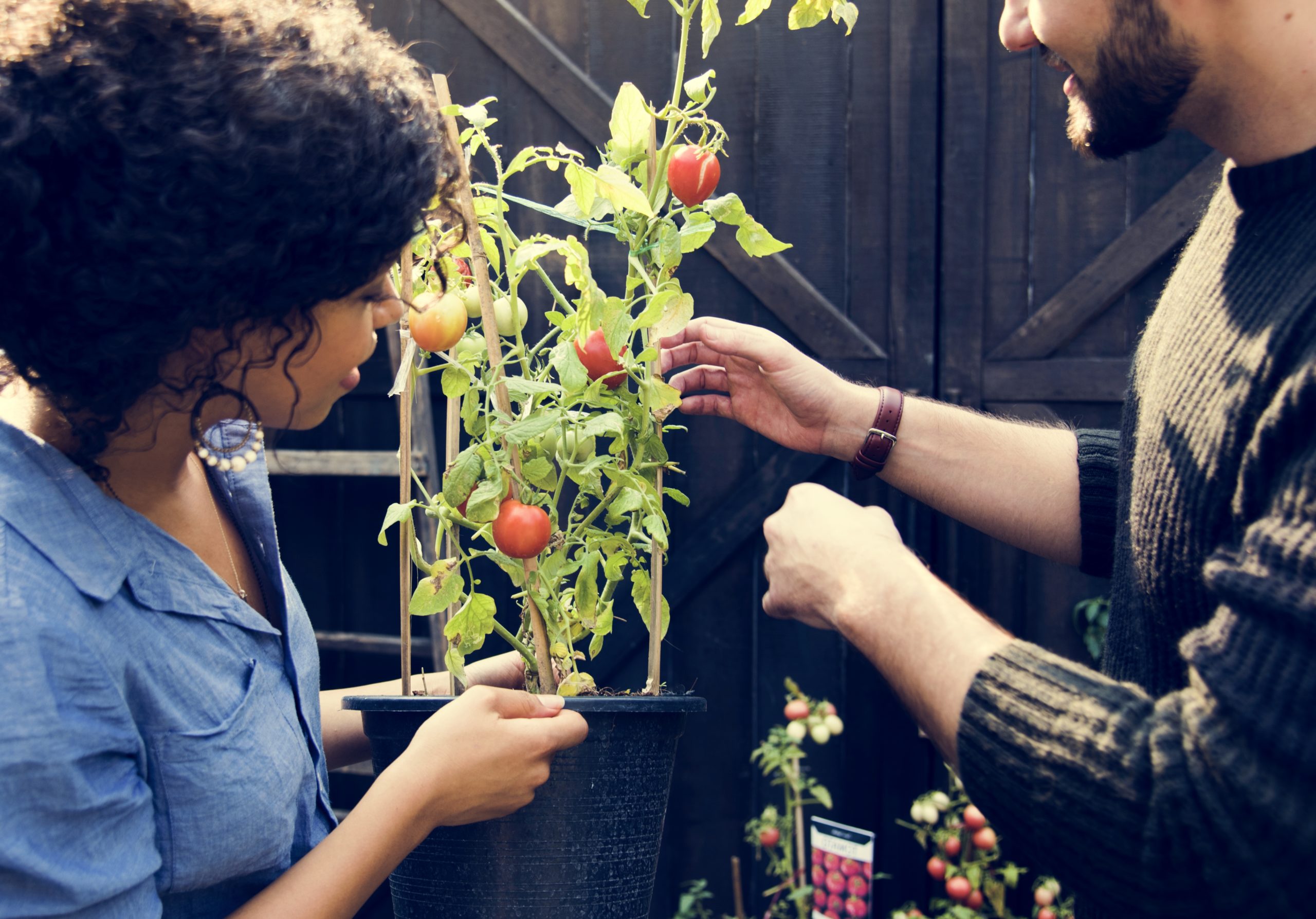
- The best tomato quality results from temperatures averaging around 75°F. Harvest every 1-2 days when air temps hit 90°F. Extreme heat softens the fruit and diminishes flavor.
- If you have trouble staying ahead of the heat and/or pests, try harvesting tomatoes when they have just a touch of color, and allow them to continue ripening indoors.
- If a killing freeze is expected, harvest all tomatoes (greens included) and bring inside to continue ripening.
- Store freshly harvested unwashed tomatoes on the counter around 60-70°F and watch them ripen.
- Learn 4 indoor ripening strategies that include the bag, box, window sill, and upside down methods.
Warning: The leaves, stems, and green unripe fruits contain small amounts of toxin alkaloids known as tomatine and solanine. The tomato plants are toxic to dogs if a significant amount of the fruits or foliage are eaten.
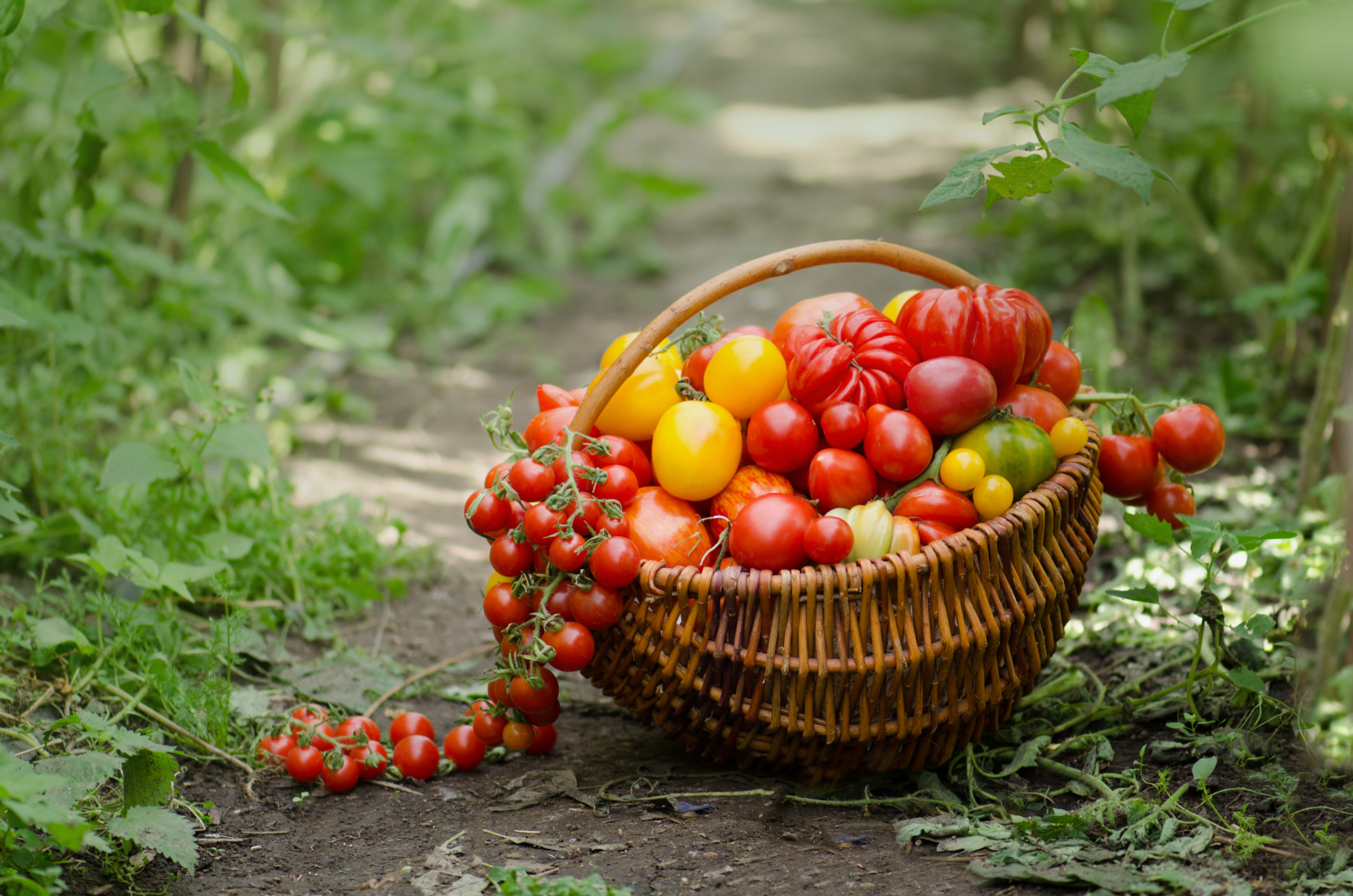
Nutritional Benefits of Tomatoes:
Tomatoes are delicious and nutritious. In addition to keeping you hydrated, just one tomato can provide 57% of your daily vitamin C, 25% of your daily vitamin A, and 8% of your daily iron.
Storage:
- Fresh: Tomatoes can be stored fresh on the counter, out of the sun. Refrigerating them will change the texture and the flavor.
- Frozen: Fresh tomatoes can be frozen if you have extras. Core tomatoes and put them in a freezer bag or container. Remove air, seal, label, and freeze. Pull them out of the freezer in the dead of winter for a fresh summer flavor! The skins will slip right off when they thaw, and they are great for sauces and soups.
- Canned: Tomatoes are also a great candidate for being canned. Make sure to use fresh tomatoes, sterilized materials, a clean kitchen, and always follow a canning recipe from a reliable source.
- Resources for Home Preserving Tomatoes.
Chopping Tips
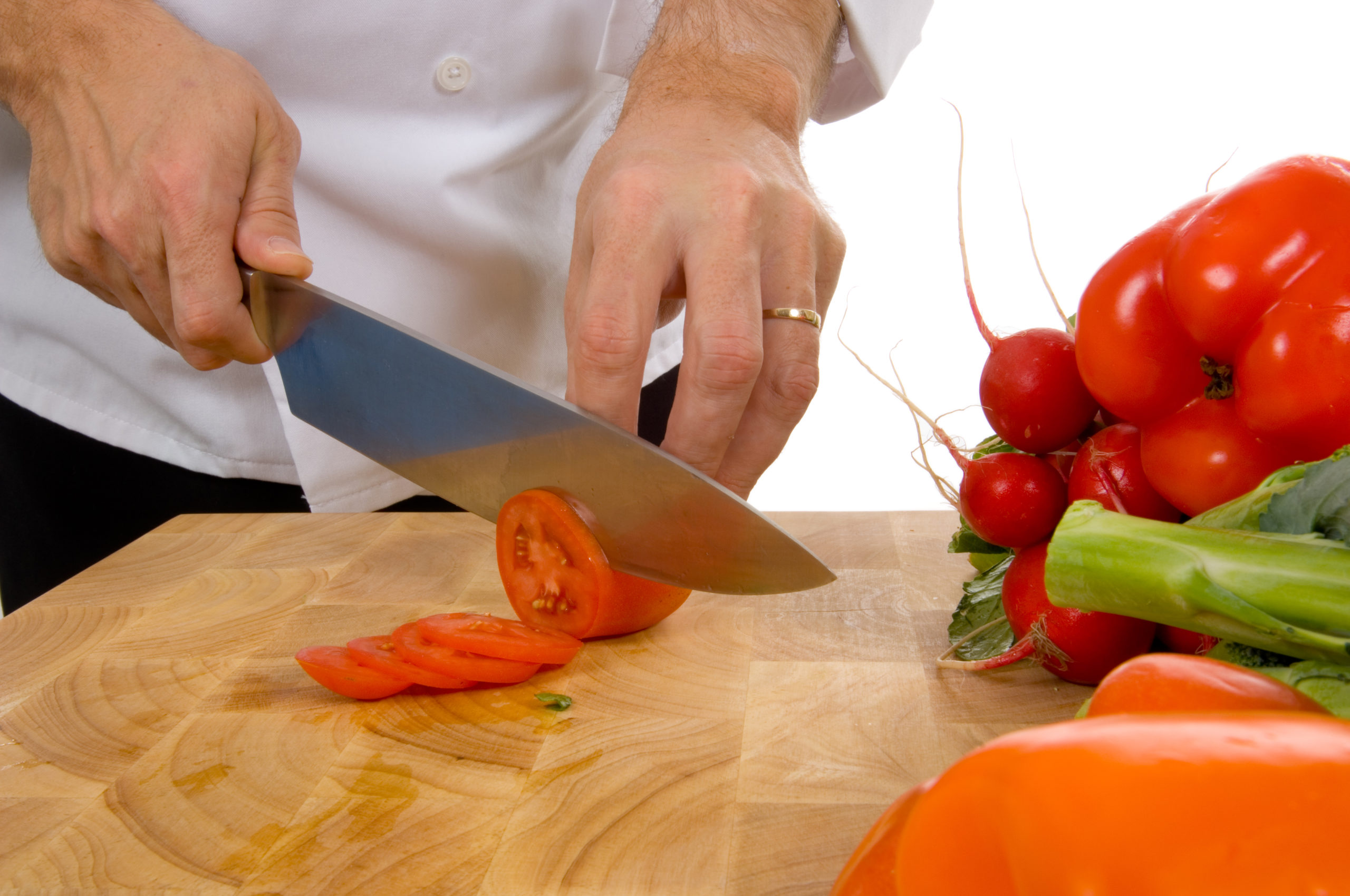
Tomatoes have a very slick skin and require a very sharp knife for slicing or dicing. A serrated knife is also a great option. Grip your knife with your dominant hand. Your palm should be on the handle of the knife, and your thumb and index finger should hold the top of the blade.
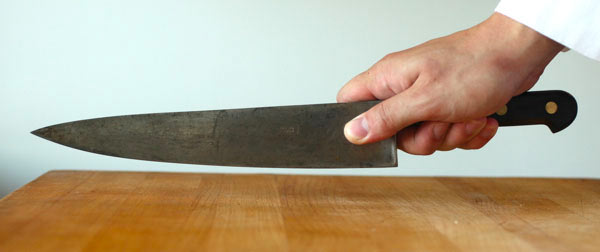
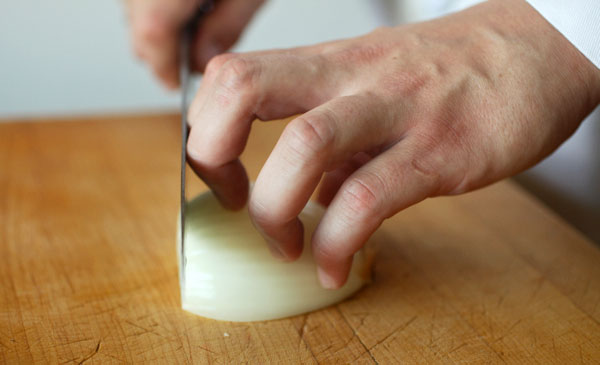
Your helping hand will stabilize the tomato, using the “bear claw” method to keep your fingers safe. Move the knife slowly in a rocking motion.
Slice vs. Dice
Slicing a tomato works best with a very sharp knife or a serrated knife.
-
- Wash and dry the tomato, first. Then, place it on a clean cutting board.
- Use your helping hand to hold the tomato firmly and your dominant hand to firmly hold your knife.
- Gently cut off the top of the tomato. Continue slicing the tomato, each time parallel to the last slice.
If you need your tomatoes diced, stack a few slices on top of each other and make parallel cuts in one direction first, and then the other.

Try these fun kabobs as an afternoon snack or a compliment to go with your dinner. These are great for getting kids involved.
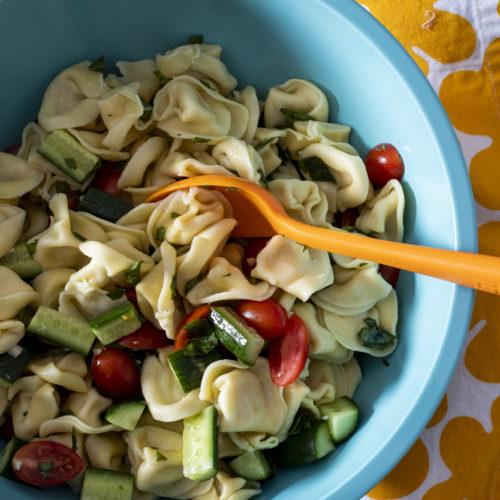
Nothing pairs better than pasta and tomatoes. This salad makes a perfect side dish, and with the addition of cheese and/or beans it can be a great main dish too.
Follow our Garden to Kitchen blog each month for great tips
and insights on growing and cooking edible plants:
Get this great content delivered directly to your inbox.
Subscribe to our monthly nutrition email newsletter.