
How to be a Trusted Adult
Emily Hoover
Health Educator
Poe Center for Health Education
Do you serve as a “trusted adult” for a young person? Could you?
Youth need trusted adults to help them navigate challenges. A dependable, reliable adult can make all the difference. A trusted adult is someone who helps provide support to youth, offering opportunities for prevention and intervention around issues that impact them¹.
Trusted adults serve as protective factors, providing a safe harbor where young people can turn for guidance, support, and understanding. Protective factors are individual or environmental characteristics that promote the health and emotional well-being of children and adolescents². Examples of a trusted adult may include a parent, aunt or uncle, grandparent, teacher, coach, school nurse, counselor, health care provider, school administrator, a community faith-based leader, or a Poe Center educator.

The common thread among trusted adults is their commitment to listening and engaging with youth, rather than lecturing or giving orders. They create an environment where open conversations can occur on important topics such as social media, mental health, vaping, puberty, alcohol, healthy relationships, bullying, and substance use.
It can be daunting to be approached by a young person looking for help. How do you handle it? You need to remember to be empathetic, open, supportive, and compassionate. You do not need to have all the answers. Listening, offering support, and connecting youth to resources are key roles of a trusted adult.
Here are tips for when you are approached:
1. Take concerns seriously. Young people struggle to take the first step of approaching a trusted adult – it takes a lot of courage to talk openly. Take their concerns seriously and if more support or resources are needed, seek out those resources for youth. Bridge the gap and honor them by caring for their concerns.
2. Talk openly and listen actively. Have open conversations with youth and know that your act of listening with a caring ear is powerful. Listen with the goal of understanding, rather than lecturing or giving directives³. It is important to keep the lines of communication open so you can have productive conversations with youth.
3. Be a role model. A young person is likely to talk to an adult that they consider a role model. Model healthy behaviors and values for youth to observe – youth may not show it but they take note of your behavior. Be a protective factor by modeling safe ways to have fun and engage in your community. Some examples include volunteering with youth organizations, exercising regularly, eating healthfully, or supporting your friends.
Trusted adults are a vital part of the support network for children and youth. Schools, community organizations, friends, and families each play a role in cultivating environments where young people feel seen, heard, and valued. By being a consistent presence and investing your time, you could become a positive force in a young person’s life.
How can YOU be a positive force in the life of children and youth?
The Poe Center can help.
At the Poe Center, programs consistently emphasize referring children and youth to these invaluable protective figures. The Poe Center has programs designed for parents and adults who serve youth, as well as programs for parents and adults to join together.
These programs are in the topics of bullying prevention, mental health, substance use prevention, navigating puberty and reproductive health, adolescent brain development, and overall wellness and nutrition.
See the Poe Center website for more information on adult programming that can help you be a trusted adult.

Work in the community helps emphasize the importance of trusted adults. For example, the Fuquay-Varina Coalition for a Healthy and Safe Community created the Be the ONE Trusted Adult Campaign to raise awareness about the critical role trusted adults play in the lives of youth. When young people have at least one trusted adult, they experience better overall outcomes.
In addition to raising awareness, the Be the ONE Trusted Adult Campaign partners with local high schools and invites youth to nominate teachers and school staff whom they consider trusted adults. Through the nomination process, students share why they feel each nominee is a trusted adult. These insights help us better understand the qualities they value in trusted adults. The campaign is a celebration of positive role models and encourages more adults in our community to become trusted adults.
The importance of trusted adults is invaluable. Become the best trusted adult you can be. Work individually and with the community to be a protective factor for youth. Together, these efforts strengthen the meaningful relationships that are vital to youth resilience and well-being.
Sources
- NAMI HelpLine. (2021). Who is a trusted adult? In NAMI HelpLine [Report]. Who is a Trusted Adult?.
- Centers for Disease Control and Prevention. (2022). Protective Factors in Schools. Division of Adolescent and School Health, National Center for Chronic Disease Prevention and Health Promotion. Protective Factors in Schools.
- National Alliance on Mental Illness. (2025, July 29). Be a trusted adult for young people in your life | National Alliance on Mental Illness (NAMI). National Alliance on Mental Illness (NAMI). Be a trusted adult for young people in your life.
Featured Event:
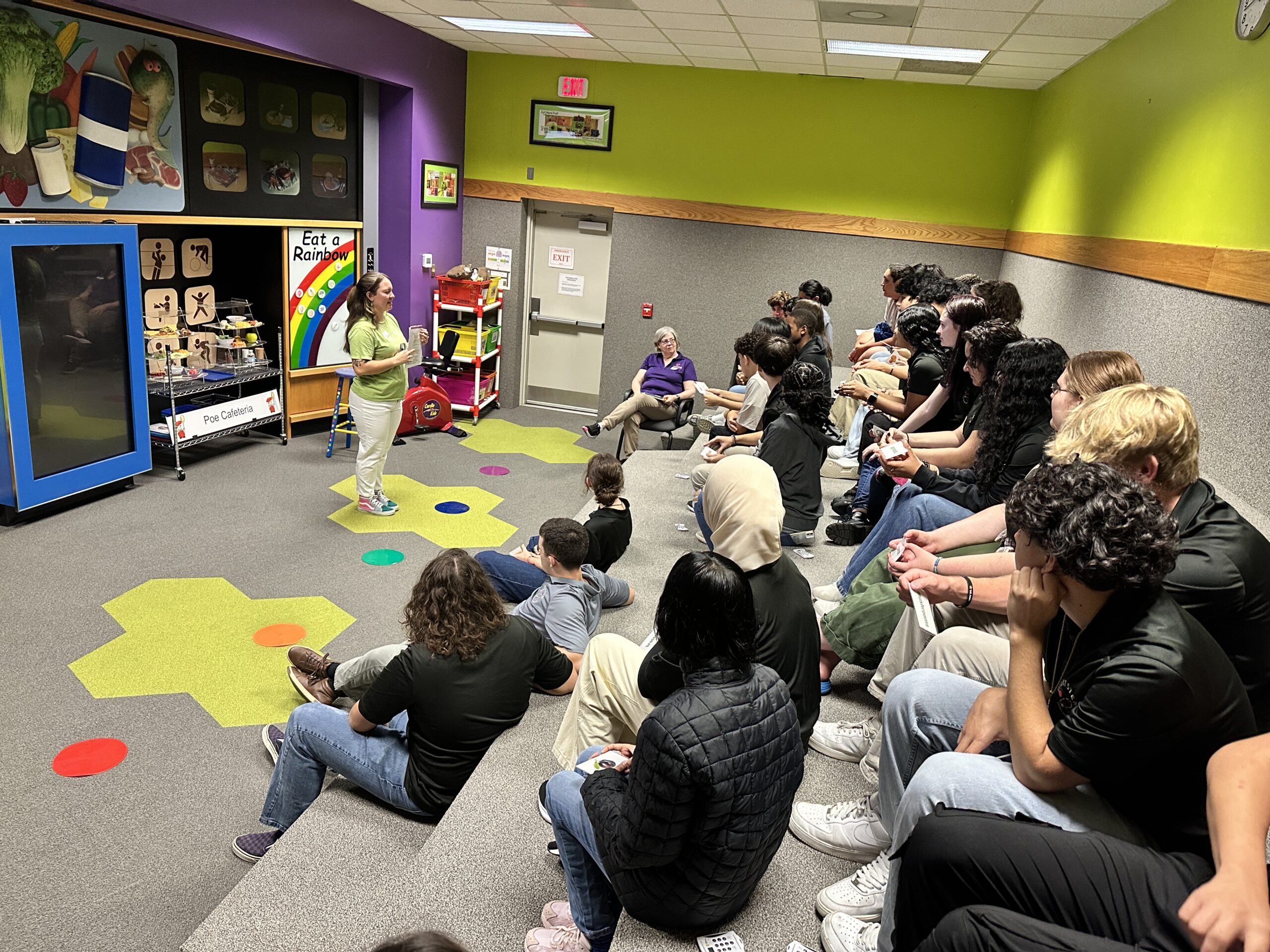
#YouthCulture: Adolescent Brain Development and the Role of Social Media examines the impact of social media on emotional, social and physical health. This program is intended for educators, health professionals, parents, other non-profit organizations, and any one else who serves youth in their personal or professional lives.
Sign up today to reserve your spot. This program is presented at no charge to attendees.
Date: Thursday, November 13, 2025
Time: 6:00 PM to 7:30 PM
Location: Poe Center for Health Education 224 Sunnybrook Rd Raleigh, NC 27610