
“Smelling” for Spiders, and Other Summer Alternatives to Screen Time
Explore the great outdoors for more “green time” and less screen time.
Anna Glasgow, MAT
Garden Senior Specialist
Poe Center for Health Education
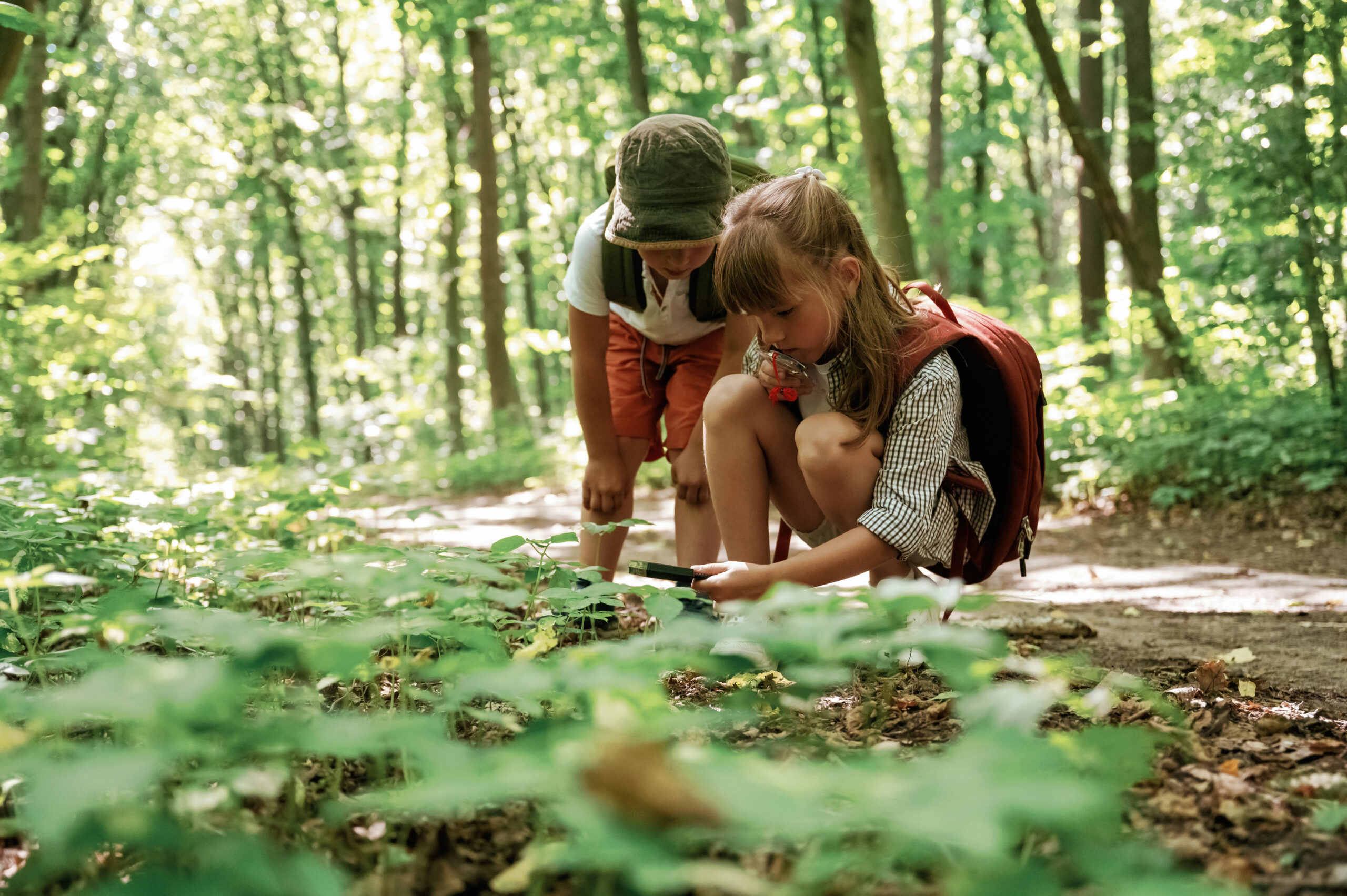
When I think of my fondest childhood memories, they are all centered around who I was with and what we were doing while we were outside.
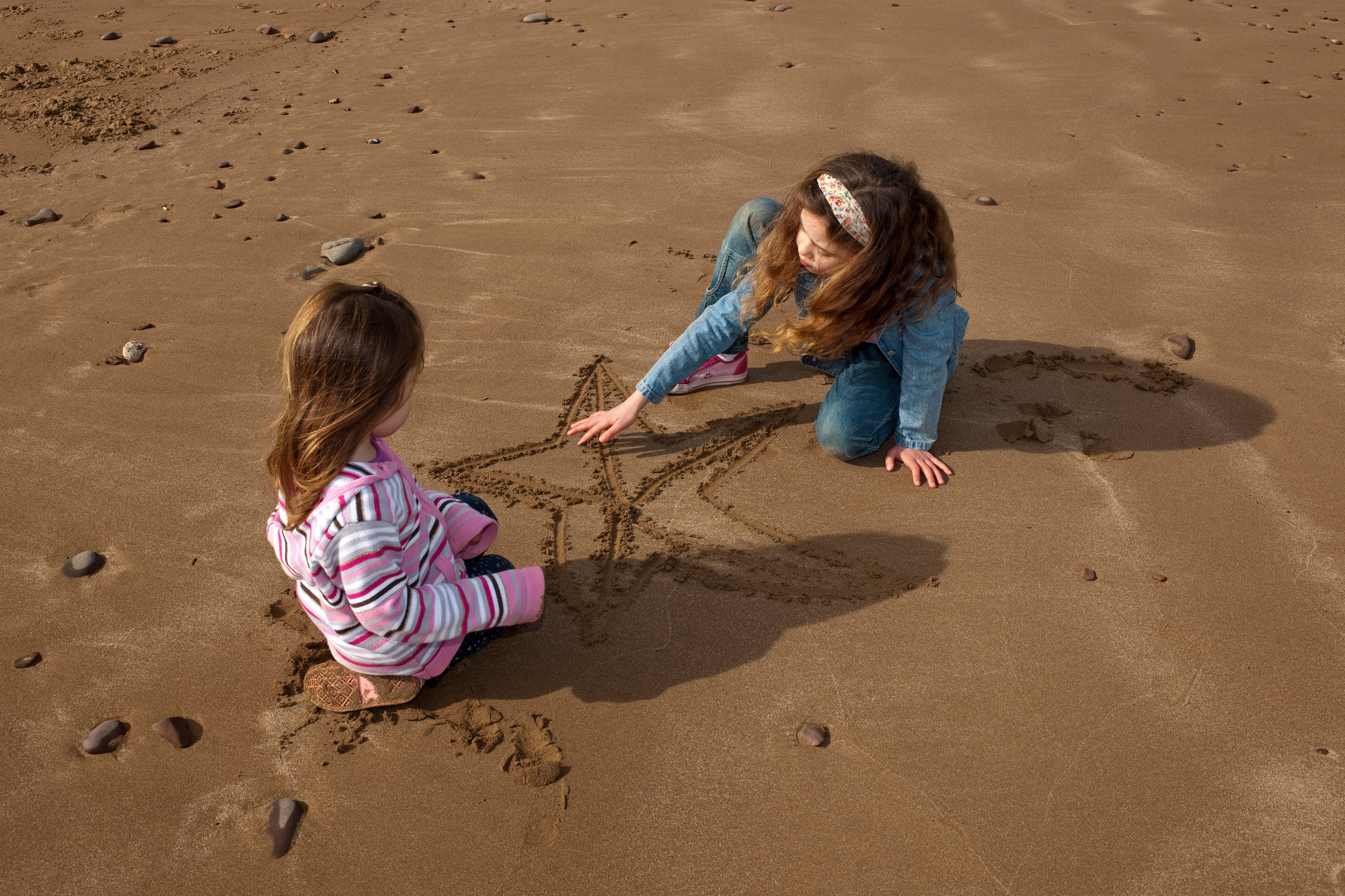
My dad modeled for me and my siblings how to go outside and find an adventure: throwing a ball, climbing a tree, tasting honeysuckle, squishing clay between our toes, observing an anthill, camping, or stargazing while listening to the song of crickets. We used all five of our senses and took our time. We had so much time, or at least it felt like it.
And then there was the most unique activity: “smelling for spiders.” Intriguing right? My dad taught me, my siblings, my cousins, and anyone else he could find this magical and scientific way to locate spiders in the dark.
How to “Smell” for Spiders
- Go outside when it is dark.
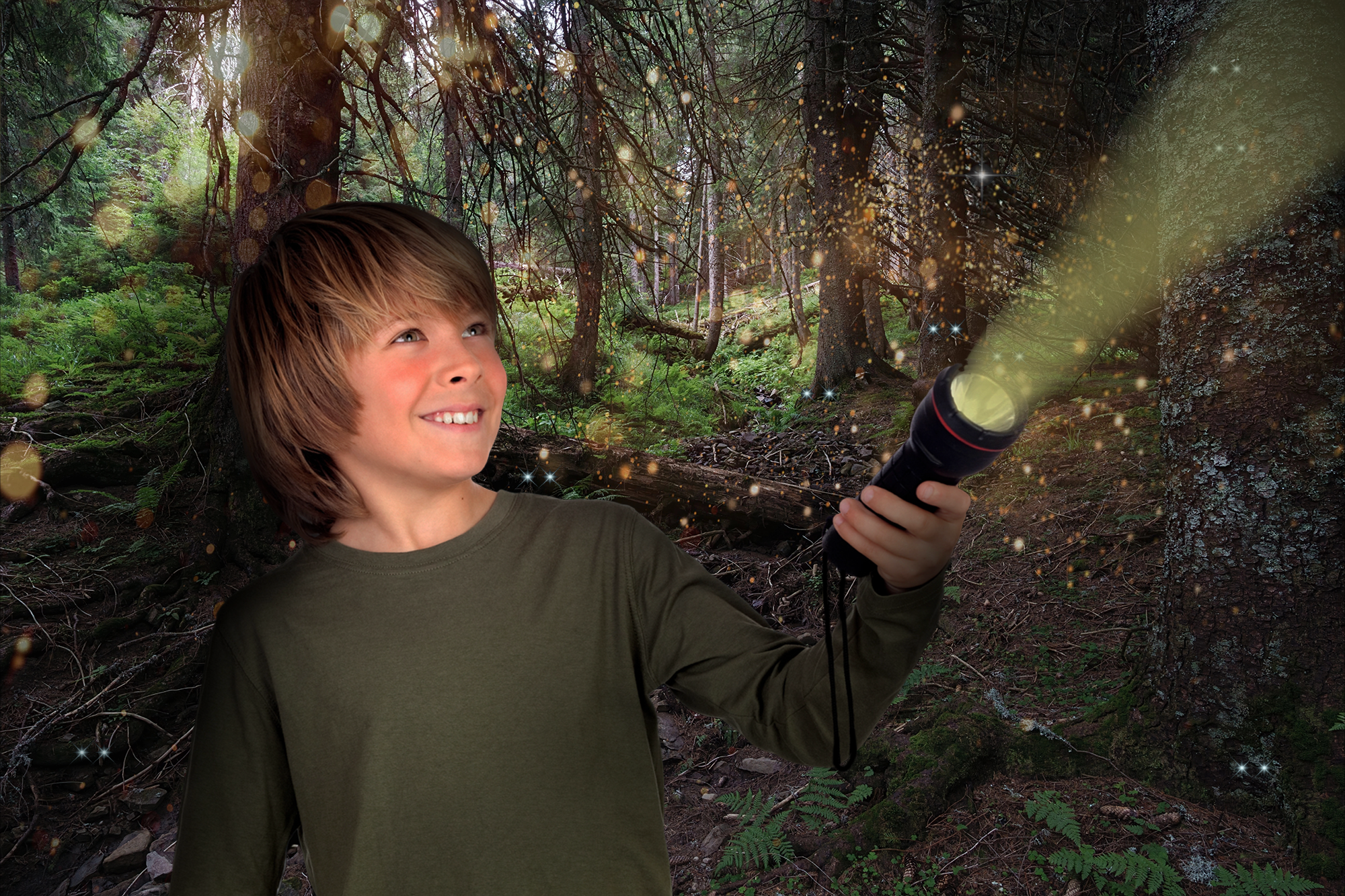
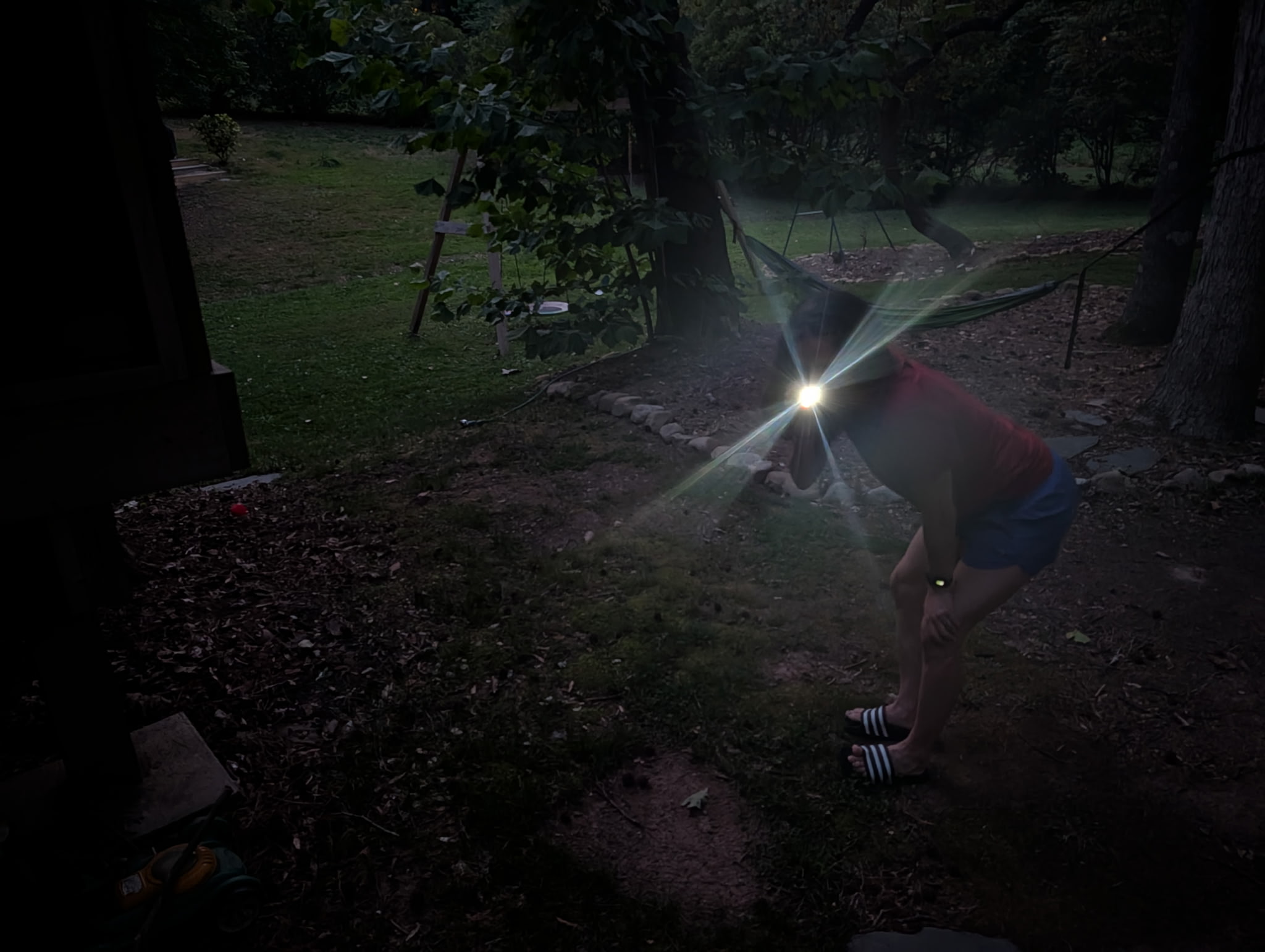
- Place a flashlight on the bridge of your nose, pointing away from you. The light beam should be parallel with your line of sight.
- Breathe deeply.
- Open your eyes and scan your surroundings, looking for a sparkle that looks like a drop of water or a twinkling diamond.
- Walk toward the sparkle to discover what it is.
The twinkling spot is the eye of a spider! They are everywhere, especially wolf spiders. Nocturnal spiders have a layer of reflective tissue in their eyes that helps them see better at night. This phenomenon of reflection is known as eye shine. “Smelling” for spiders is a great experience. Kids love it, but I have also witnessed adults giggle with delight during this activity. Give it a try!
Looking back, I realize that “smelling” for spiders and other outdoor activities were the moments of my childhood that I remember vividly and derive the most meaning from. I did have some screen time, but I don’t really remember it, because that time was not as memorable. Spending hours in nature and learning new things from a trusted adult made me less afraid of exploring the outdoors as I grew up. I also felt more confident when entering the wider world as an adult. Through long hours spent outdoors, I learned how to be bored and fill my time creatively, using my original thoughts and ideas. I learned how to balance indoor and outdoor time in order to feel better.
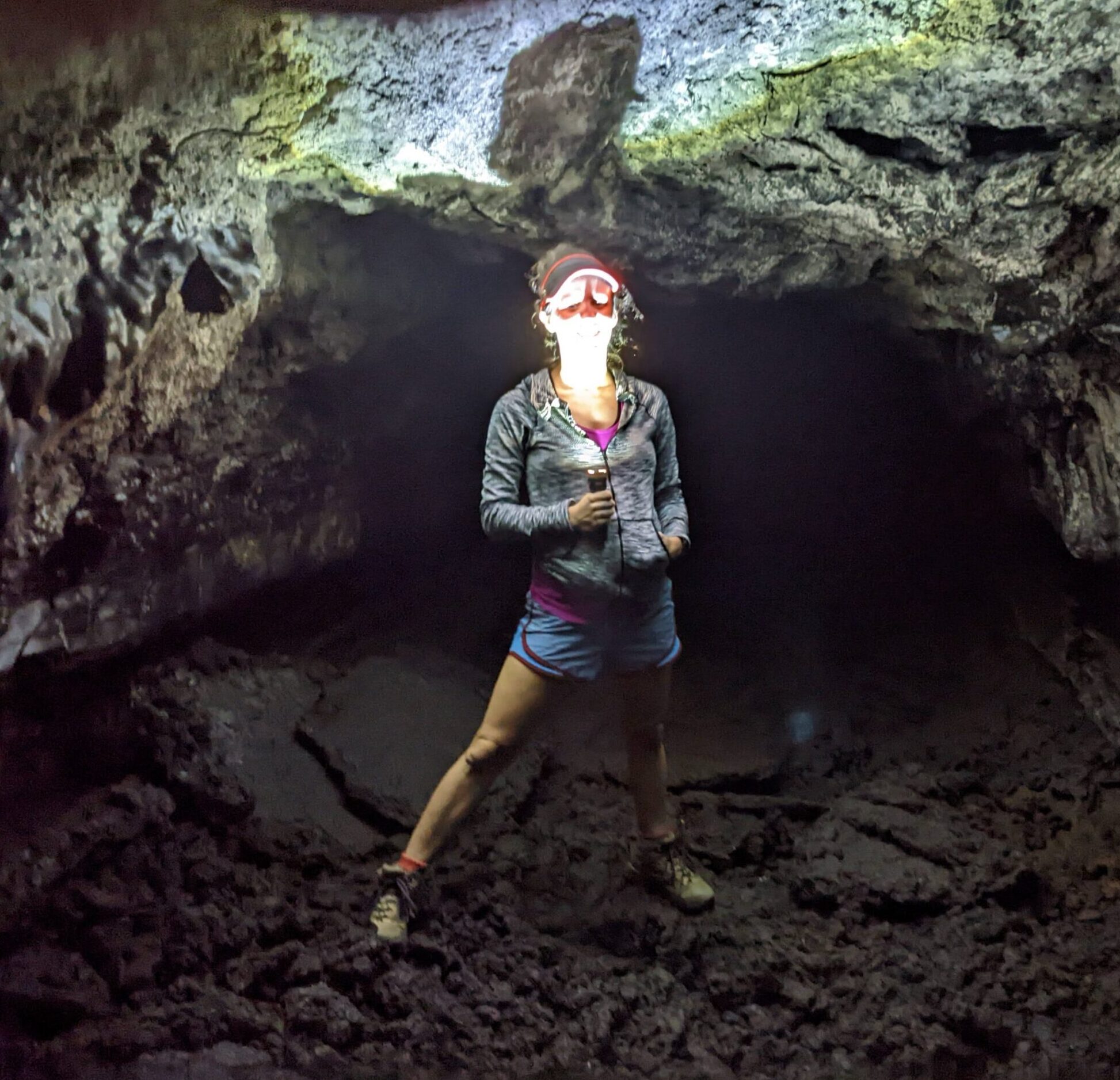
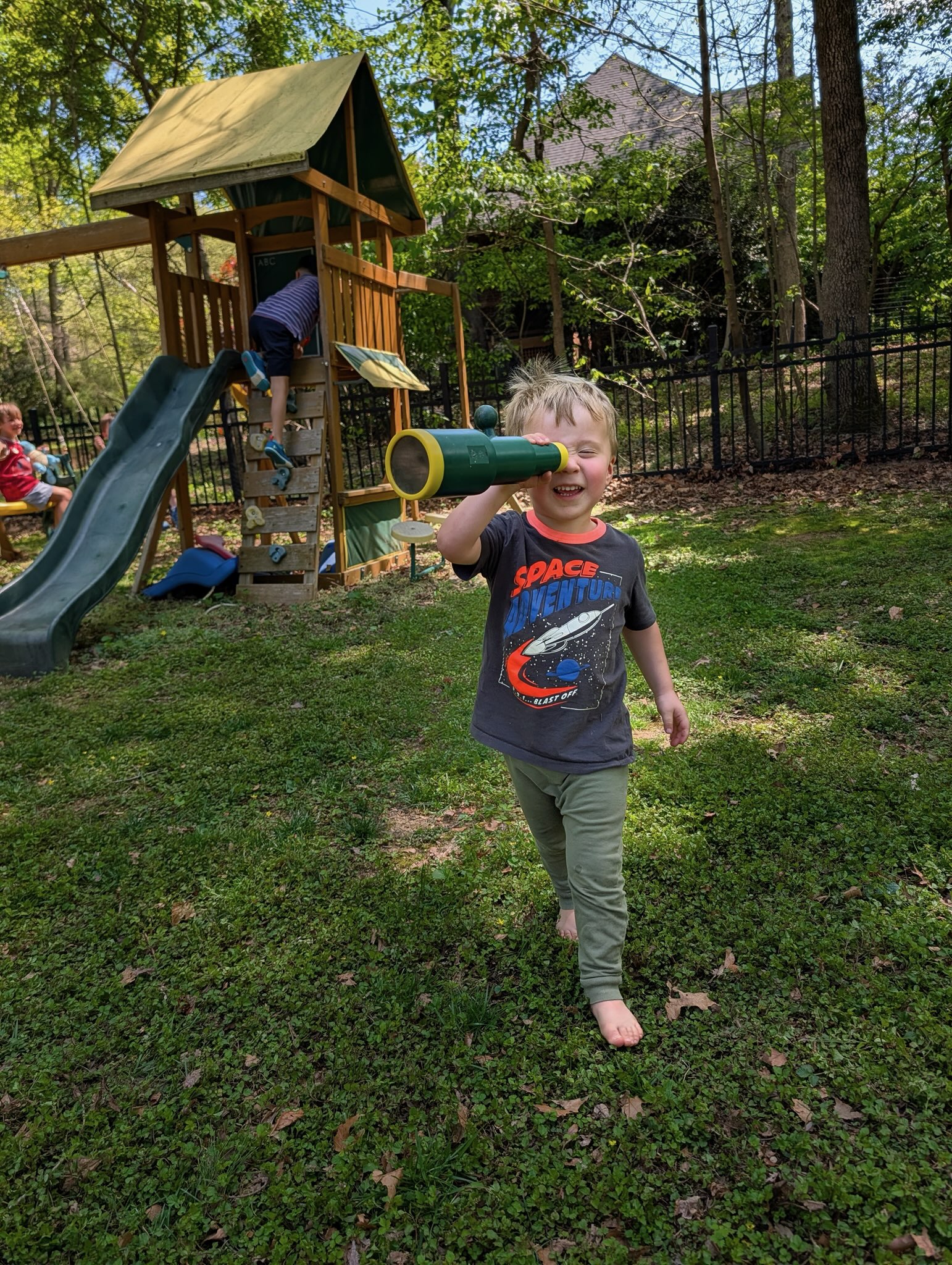
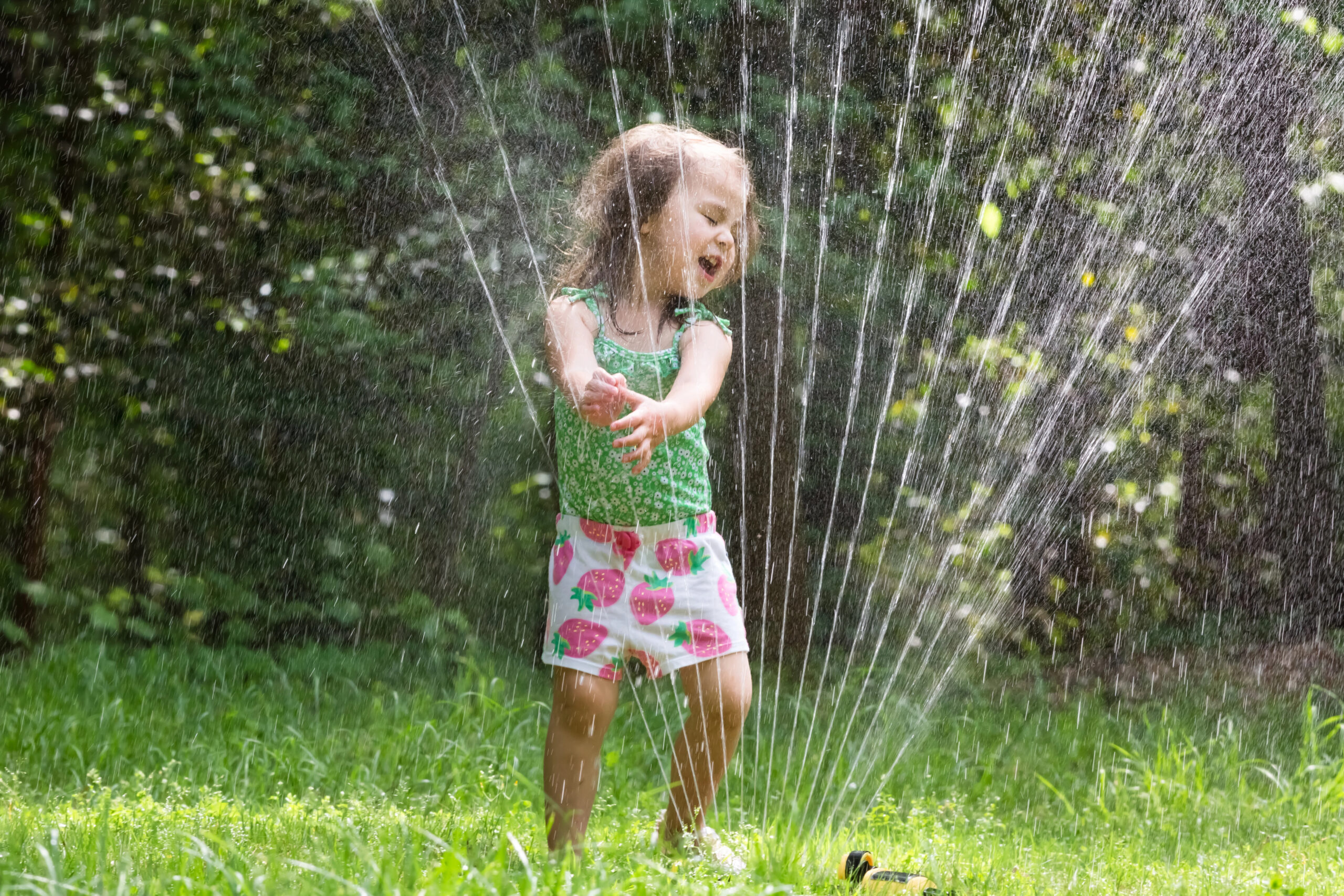
It is well-documented that time in nature has therapeutic effects on people of all ages. Spending time in nature can improve focus, reduce stress hormones, foster creativity, encourage curiosity, and reduce attention deficit according to Richard Louv’s book “Last Child in the Woods.”
Furthermore, an extensive analysis of over 950 studies on nature-based programs found that 98% of participants reported significant health benefits. These included boosts in mood and self-worth, alongside noticeable drops in emotional distress, agitation, and behavioral issues.
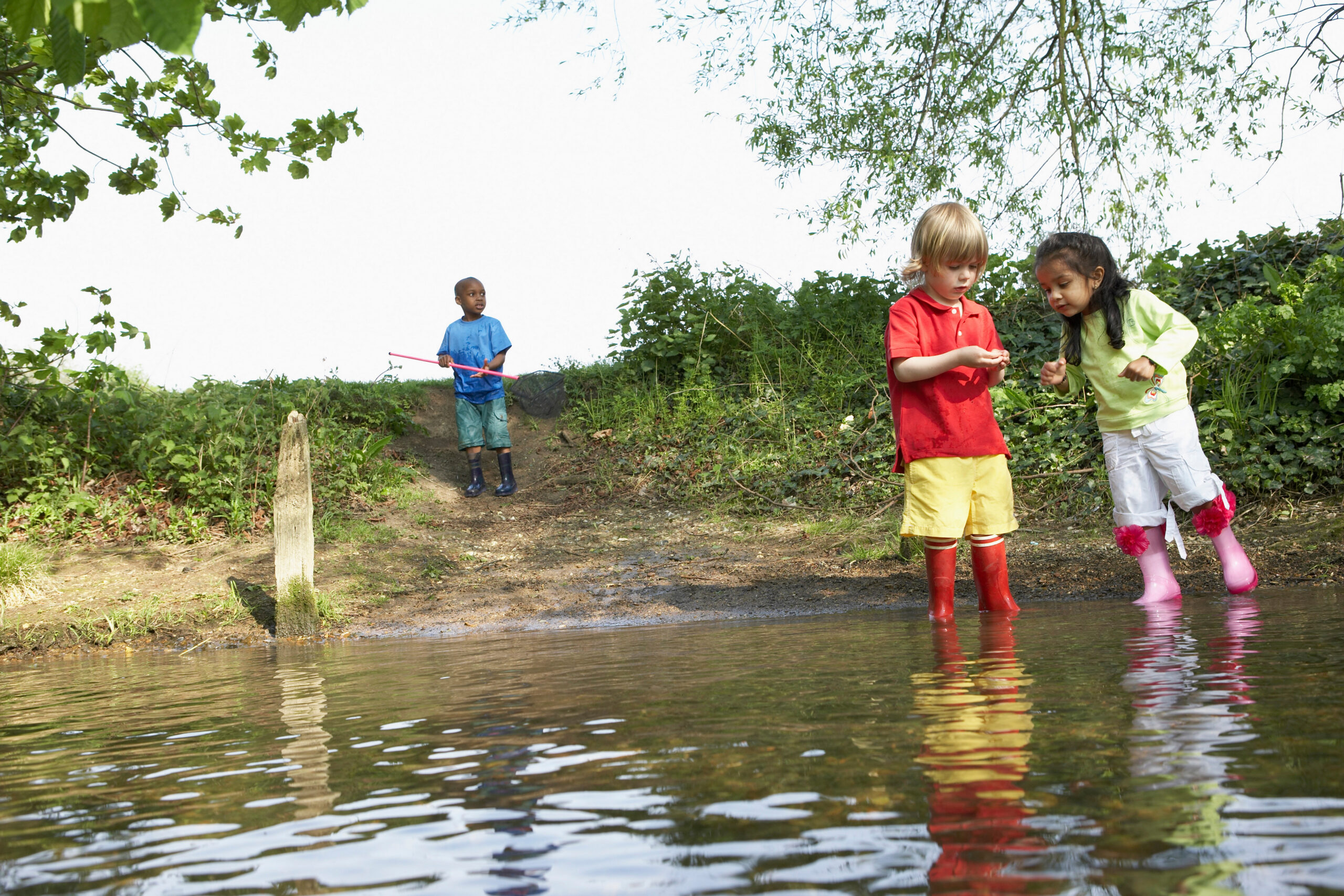
Luckily, wherever we go, nature can be found, from a large forest to a tiny patch of grass, or even a small bug on a window sill.
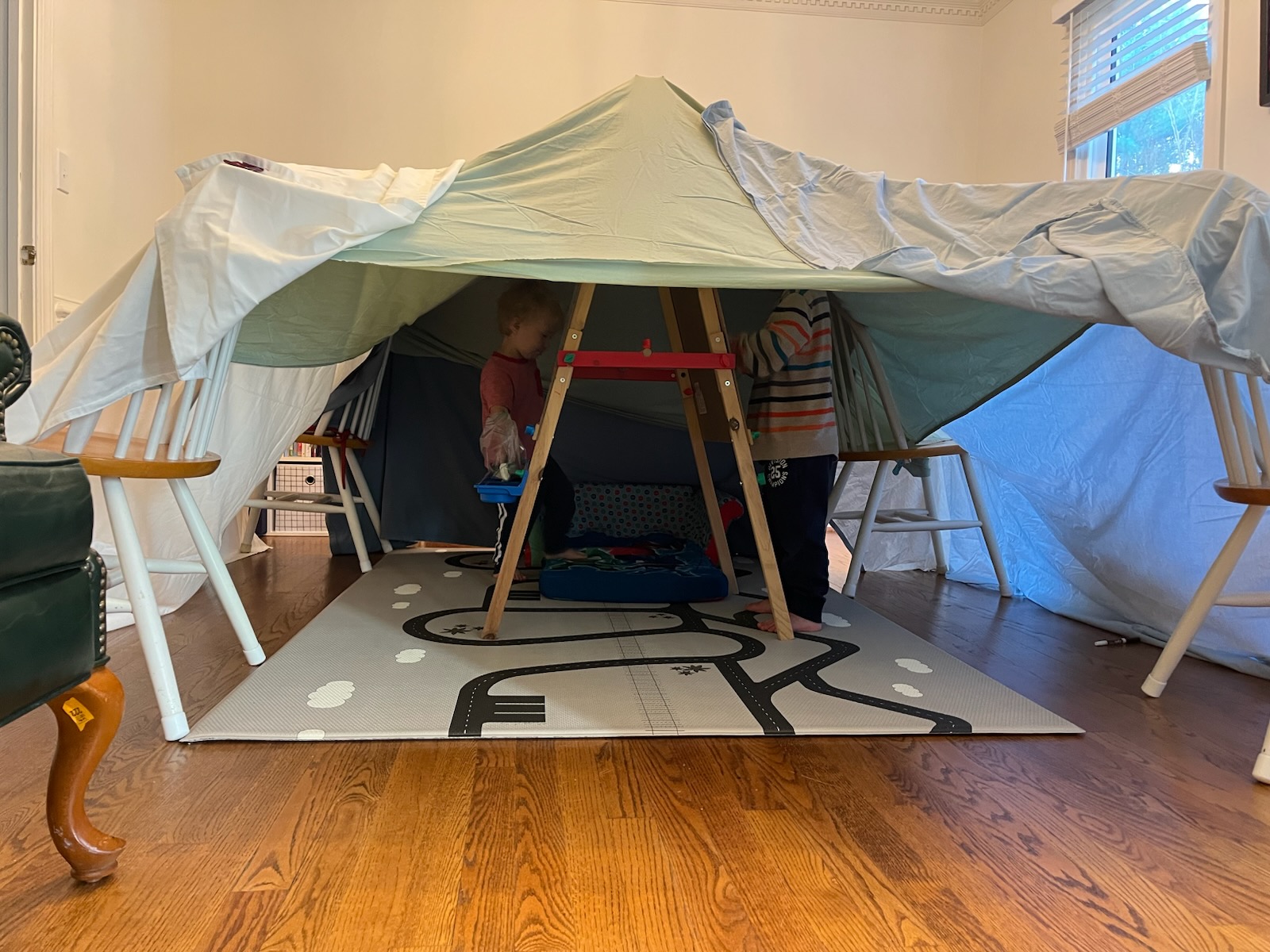
I have three young kids of my own now. The oldest is already an expert spider “smeller.” It is not easy to strike a balance between indoor and outdoor time, between screens and nature, but our intention is to do all things in moderation. I have found that adding in engaging activities rather than taking away screen time is a more effective way to achieve balance. One method is to create an Adventure Jar as a family. Sit down together, write fun activity ideas on slips of paper, and add to a large jar. Draw from the jar when bored or at designated times.
Here are some printable ideas to get you started.

| Create an indoor “laser” string course. |
| Listen to a podcast. |
| Race homemade boats in the street gutter. |
| Cook something new together. |
| Make a DIY indoor obstacle course. Time each other! |
| Build a cardboard box creation. |
| Play “the floor is lava.” |
| Go Geocaching. |
| Make a DIY outdoor obstacle Course. Time each other! |
| Plant a summer garden. |
| Set up a backyard campsite for a week. |
| Go on a neighborhood scavenger hunt. |
| Make a nature collage. |
| Have a paper-airplane-flying contest. |
| Host a blindfold taste test. |
| “Smell” for spiders. |
| Play Pictionary. |
| Play a game of Charades. |
| Play Hide n Seek. |
| Star gaze after dinner. |
| Put on a shadow puppet show. |
| Have a fashion show. |
| Keepy Uppy: blow up a balloon and keep it from hitting the ground. |
Add your own ideas. Find the balance between screen time and time outdoors, and have a wonderful summer making memories together!

Featured Program:
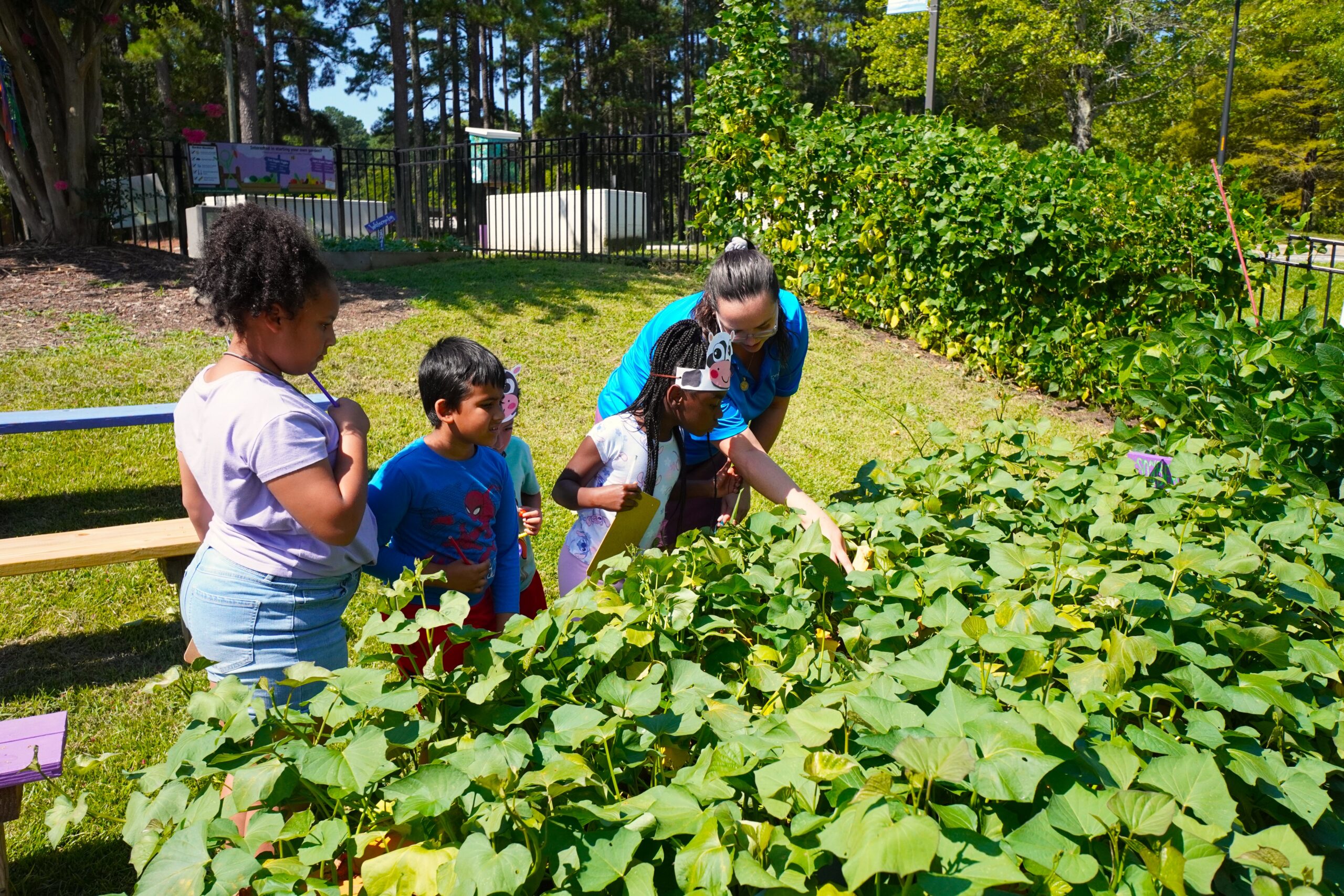
Participants will be introduced to the wide variety of both helpful and harmful bugs that exist within the GrowWELL Garden. Using seasonal safari guides, participants will work in pairs or small groups to build communication and discovery skills. Through this lesson, participants will begin to understand stewardship. It is our responsibility to care for the plants – and that includes bugs! At the same time it is important to be able to identify bugs that are helping the garden by spreading pollen, or hurting the garden by eating the leaves, and how to deal with them. Maximum 25 participants per program.
Program Location: Only Available onsite (at Poe) between Spring to Late Summer.
Schedule this program for: Kindergarten – 5th Grade
Program Length: 30-45 minutes
Featured Event:
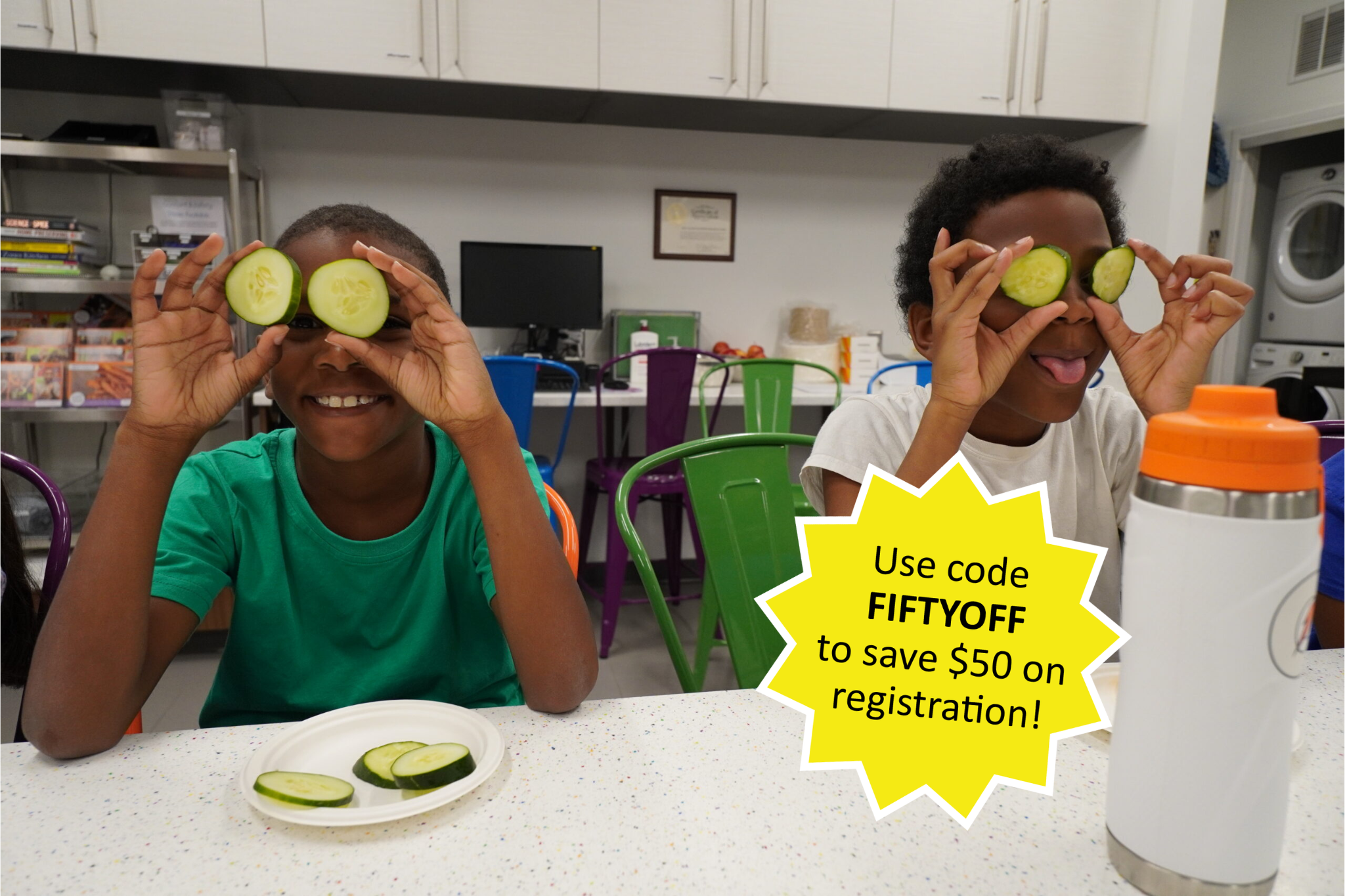
Seats are still available for Camp PlayWELL, the Poe Center’s fully-immersive, health-science summer day camp for rising 1st-5th graders! Book now using code FIFTYOFF to save $50 on registration.
- Themed weekly sessions.
- Lunch provided.
- Outdoor play on PlayWELL Park.
- Hands-on, health-science activities.
- A chance to make new friends and create memories!
CONVENIENT FOR YOU:
- Weekly sessions available June 22 – July 24, Monday-Friday.
- Lunch is included.
- Extended care hours are available.
- Centrally-located with exclusive access to PlayWELL Park.
- Staffed by professional health educators.
Scholarships are available.
References:
Louv, R. (2005). Last Child in the Woods. Algonquin Books Od Chapel Hill.
Nejade, R. M., Grace, D., & Bowman, L. R. (2022). What is the impact of nature on human health? A scoping review of the literature. Journal of Global Health, 12(04099). https://doi.org/10.7189/jogh.12.04099