

The Poe Center’s Annual Awards 2026
The Poe Center’s Annual Awards 2026
Each year, the Poe Center recognizes individuals and organizations in our community who have made significant contributions to advancing our mission to educate and empower North Carolina children, families, adults, and communities to improve lifelong health and well-being. Their support is critical to our success.
We are pleased to announce this year’s recipients of the Poe Center’s Annual Awards. Recipients were recognized during the Poe Center’s 35th Anniversary Celebration on September 17, 2026.
Thank you for supporting the health and well-being of North Carolinians. Congratulations to this year’s recipients!
Faye L. Miller Distinguished Service Awards

This award was established to honor a board member or volunteer who demonstrates exceptional service, dedication, and commitment to the Poe Center. The first Distinguished Service Award was presented to founding patron Faye L. Miller. Following that presentation, the award was renamed in her honor.
Dr. Cheryl Brewer, Ph.D., MSN, RN
Dr. Brewer served on the Poe Center’s Board of Directors for six years. Her role on the Nominating Committee helped recruit talented and dedicated individuals to the Board. Brewer has dedicated her career to serving her community through nursing, and her health expertise has been a valuable asset to the Poe Center. She also serves on the John Rex Endowment Equity Cohort, helping the Poe Center better serve Wake County.
David Ferrell
David Ferrell served on the Poe Center’s Board of Directors for six years. He lent his expertise to the Audit Committee and worked to connect Poe Center staff with members of the General Assembly to advocate for statewide funding.
Christine Kushner
Christine Kushner served on the Poe Center’s Board of Directors for eight years, including one term as president. She has spent her career championing education and health equity for youth, adults, and families in Wake County through her work as a county commissioner and on the Board of Education. Kushner also serves on the John Rex Endowment Equity Cohort, helping the Poe Center strengthen its workplace and its role as a community resource.
Chris Wrench
Chris Wrench served on the Poe Center’s Board of Directors for eight years, including one term as president. During his tenure, Wrench made significant contributions to the organization by chairing the Finance Committee and serving on the Executive Committee. His goal-oriented leadership helped the Poe Center advance its impact goals year after year.
The Gordon Smith Jr. Award
In May 1992, Shirley Lucey and Virginia Scanlan, co-chairs of the “Our Health… Our Future Campaign,” created the Gordon Smith Jr. Award to commemorate the crucial role that the late Gordon Smith Jr. played in the development of the Poe Center during the final months of his life.
The award is presented annually to an individual or organization whose outstanding support and leadership help strengthen the financial security of the Poe Center and perpetuate Gordon Smith Jr.’s legacy.
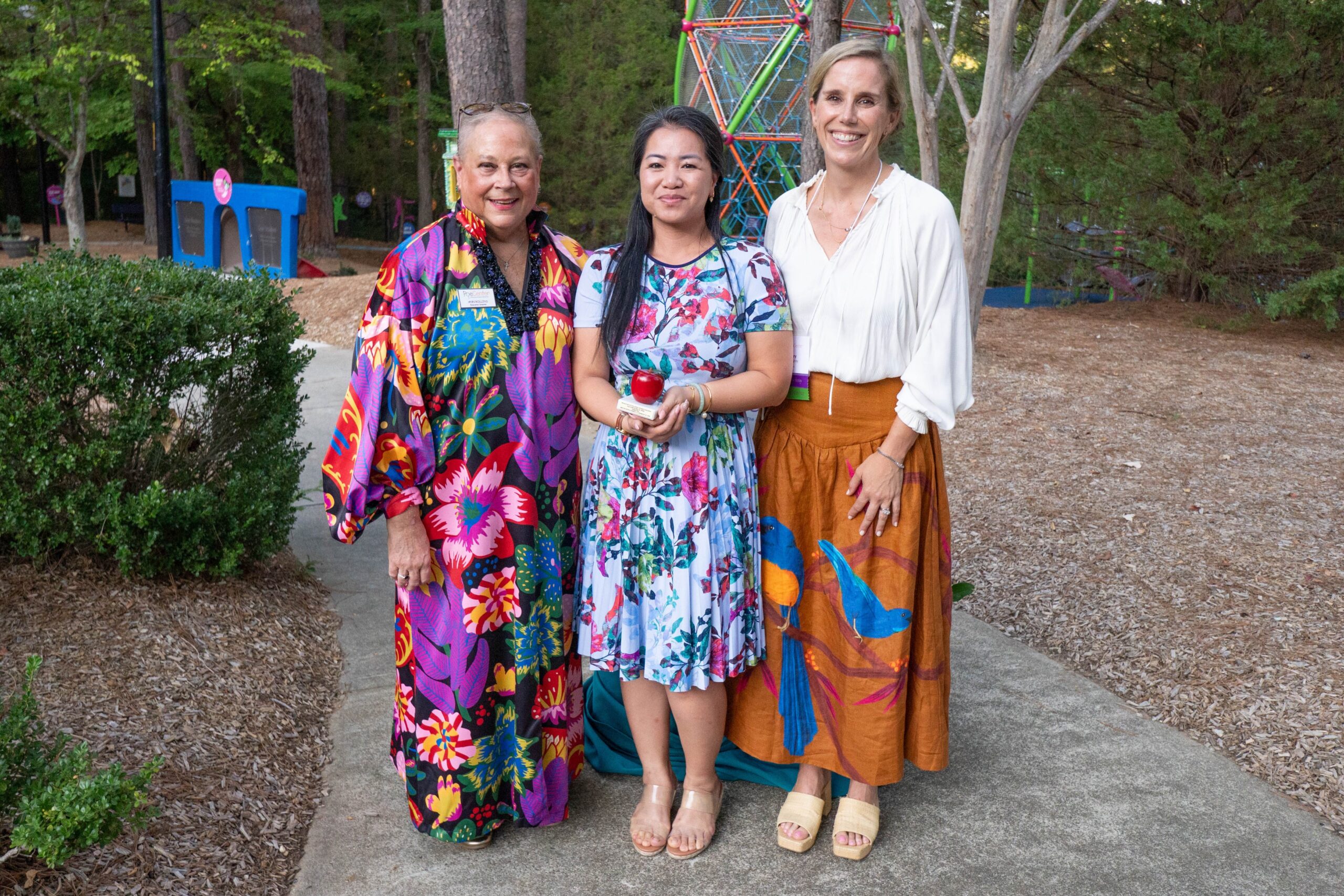
Konnie Tran
Konnie Tran has been a dedicated and valued partner of the Poe Center for many years in her role as the SNAP Education and Outreach Coordinator for the North Carolina Department of Health and Human Services.
Tran’s love of food led her to the field of nutrition during her undergraduate studies and inspired her to pursue graduate studies in social work. For the past 20 years, she has worked at the local, county, and state levels to improve food security and nutrition education across North Carolina. Tran has led the Poe Center’s SNAP-Ed team with integrity and passion.
President's Award
The work of promoting good health in North Carolina is strengthened by the support and dedication of many community partners. Each year, the Poe Center presents the President’s Award to honor an individual or organization whose work over the past year demonstrates a strong commitment to prevention and health education in our state.
Blue Cross and Blue Shield of North Carolina
Blue Cross and Blue Shield of North Carolina has been a partner of the Poe Center for more than 35 years. Members of BCBSNC have served on the Board of Directors and provided significant funding for infrastructure upgrades, including the 2019 renovation of the Substance Use Prevention theater.
The Poe Center greatly appreciates the many ways BCBSNC supports the organization and helps ensure that North Carolinians have the tools they need to make healthy choices.

Educator of the Year
This award honors a champion of physical education or health education in the schools. The recipient is a teacher who has worked closely with the Poe Center and others to implement, enhance, or establish programs and policies that support healthy behaviors.
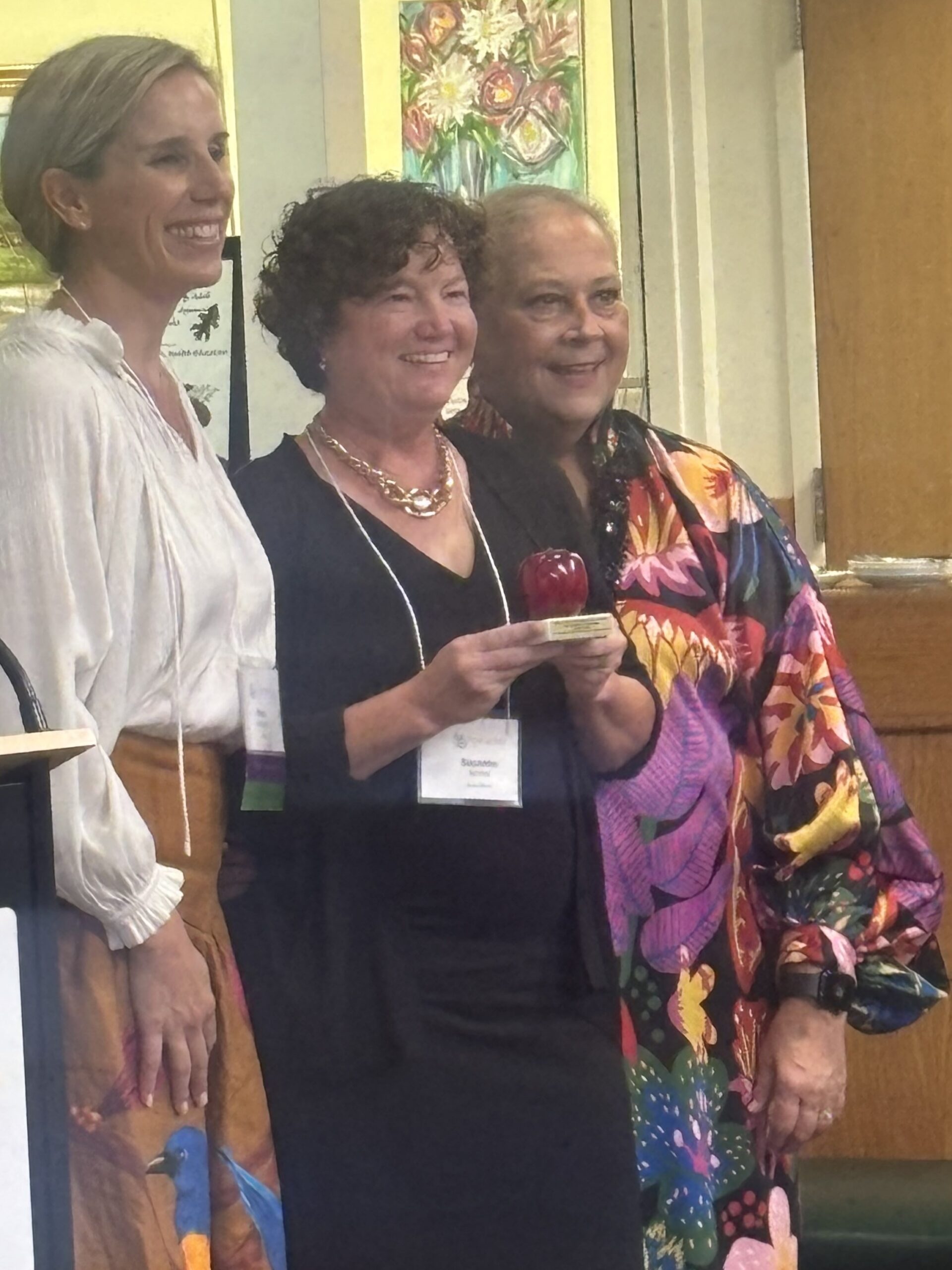
Susanne Schmal
Susanne Schmal is a trusted partner who consistently brings people together, encourages innovation, and leads with professionalism, humility, and genuine passion. In her role with NC DPI Healthy Schools, Schmal has led numerous innovative initiatives benefiting students and families across the state.
Her positivity, sense of humor, and approachable leadership style foster an environment in which others feel valued, supported, and inspired to do their best work. The Poe Center has been privileged to partner with Schmal on numerous statewide initiatives. Her commitment to advancing healthy schools and improving the lives of North Carolina’s students, educators, and families makes her a deserving recipient of this award.