
Blueberry Farming, Blueberry, Picking, Blueberry Pancakes – Oh My!
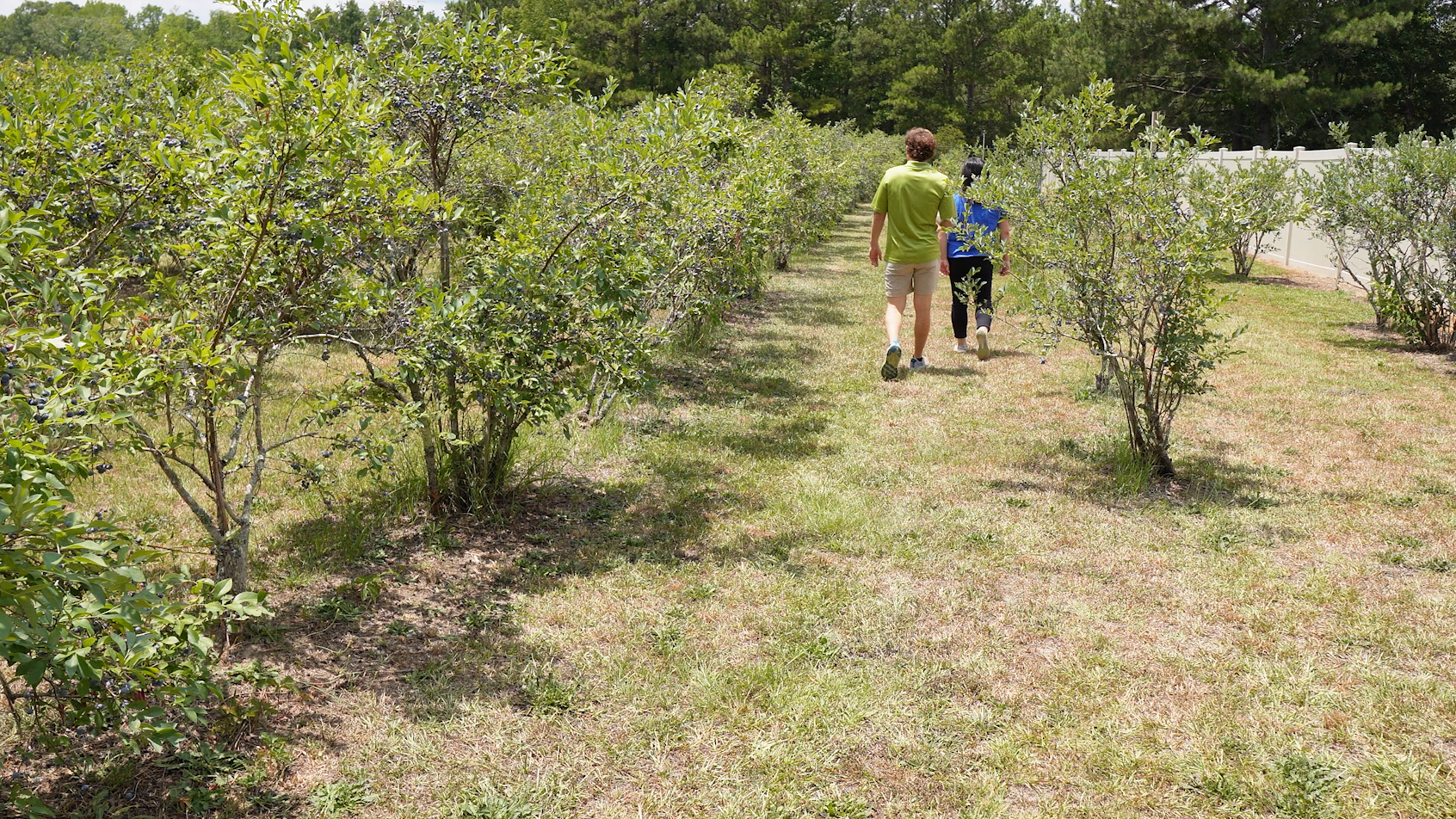
This National Blueberry Month we visited Ms.Mary’s Berries Blueberry U-Pick Farm. Poe Center health educators spoke with two of the co-managers of the farm, Richard and Michelle, about the farm’s history and what it takes to manage an acre of blueberries. We then join our health educators in the kitchen to make healthy, protein-and-fiber-packed blueberry cottage cheese pancakes.
Blueberries and North Carolina
Blueberries are native to North Carolina and a big business in the state. The NC Local Food Council has a blueberry-picking map that can help locate local blueberry-picking farms near you.
If you would like to visit Ms. Mary’s Berries you can find them on Instagram @msmarysberries. Visit their FREE u-pick farm at 7768-7898 Maude Stewart Rd, Fuquay-Varina, NC 27526 and follow the signs on the road. Parking is free. (Insert picture of the 4 owners – waiting to hear back)
U-Pick Farming History
Booker T. Whatley, a horticulturist and an agricultural professor, pushed the revival of the “u-pick” style of farming in response to the discrimination black farmers faced in 1970’s America. This style of farming allowed black farmers to maintain control of their own farms and manage self-sustaining, community-supported businesses. The book “How to Make $100,000 Farming 25 Aces” was the start of community-supported agriculture, otherwise known as CSAs or farm boxes, and still holds a wealth of information farmers can use today. This information empowers farmers who face discrimination even to this day. By supporting local farmers, and especially black businesses, you can continue to support the mission Whatley began over 50 years ago.
Blueberries in Your Garden
If you chose to grow blueberries in your own backyard or porch, here’s what you need to know.
It can take up to 10 years for a blueberry bush to fully mature, so we suggest purchasing an established bush. You can plant the bush in the ground or in a large container, about 18 to 20 inches in diameter. If you plan to plant in a container, make sure it is well-draining to avoid root rot.
Blueberries need 1 to 2 inches a week in the active growing seasons of spring and summer. After they are established, the shrub is often fine with just rain water in the winter dormant season, unless there is an extended dry period. Add 2 to 4 inches of mulch to help retain moisture and protect and insulate roots year round.
The soil should have a pH of 4-5 for best production. Do a soil test and add acidifying fertilizer specific for azaleas or blueberries. Mulching with pine bark can also help acidify soil. North Carolina Piedmont soil is naturally acidic, which makes it great for growing berries.
The best pruning time for blueberries is January through March. It is suggested that you trim the older branches back in the winter so the newer branches can grow.
To learn more about planting and maintaining blueberries visit “Notes on Growing Blueberries” by Bill Cline, Plant Pathology Department, NCSU.
Blueberries contain:

Antioxidants
- Help defend the body from free radicals.
- Good for preventing disease.

Fiber
- Aids in digestion and blood sugar regulation.

Manganese
- Supports brain function and nervous system regulation. Essential for bone health.

Vitamin A
- Supports the growing body.
- Aids in vision and cell function.

Vitamin C
- Helps support the immune system.
- Makes collagen that is needed for skin, bones, teeth, cartilage, blood vessels, and repairing wounds.

Vitamin K
- Helps build strong bones.
- Needed for blood clotting.
Berry Good Protein Pancakes
Inspired by: The Celebrate Your Plate Blueberry Cottage Cheese Pancakes.
Servings: 8-10 Small Pancakes
Materials: A freezer safe bag or container, a small and large mixing bowl, measuring spoons and cups, large pan, and whisk
Ingredients:
2 large eggs
¾ cup 2% low-fat cottage cheese
½ cup low-fat milk
1 cup whole-wheat flour
1 teaspoon baking soda
2 teaspoons sugar
1 pint of blueberries, frozen then thawed with their juice
1 Tablespoon of olive oil
Optional: Cinnamon for flavor.
Note: Be sure to wash your fruit before freezing overnight.
Directions:
- In a large bowl, whip together the eggs, cottage cheese, and milk.
- In the smaller bowl, stir together the flour, baking soda, sugar, and cinnamon. Slowly pour the dry ingredients into the wet ingredients. Stir until flour is just mixed in – no more. Do not overmix, or the pancakes will become tough.
- Fold the thawed blueberries and their liquid into the batter. Do not over-mix.
- Heat the pan over medium-high heat. Evenly-coat the pan with olive oil, either by pouring or brushing.
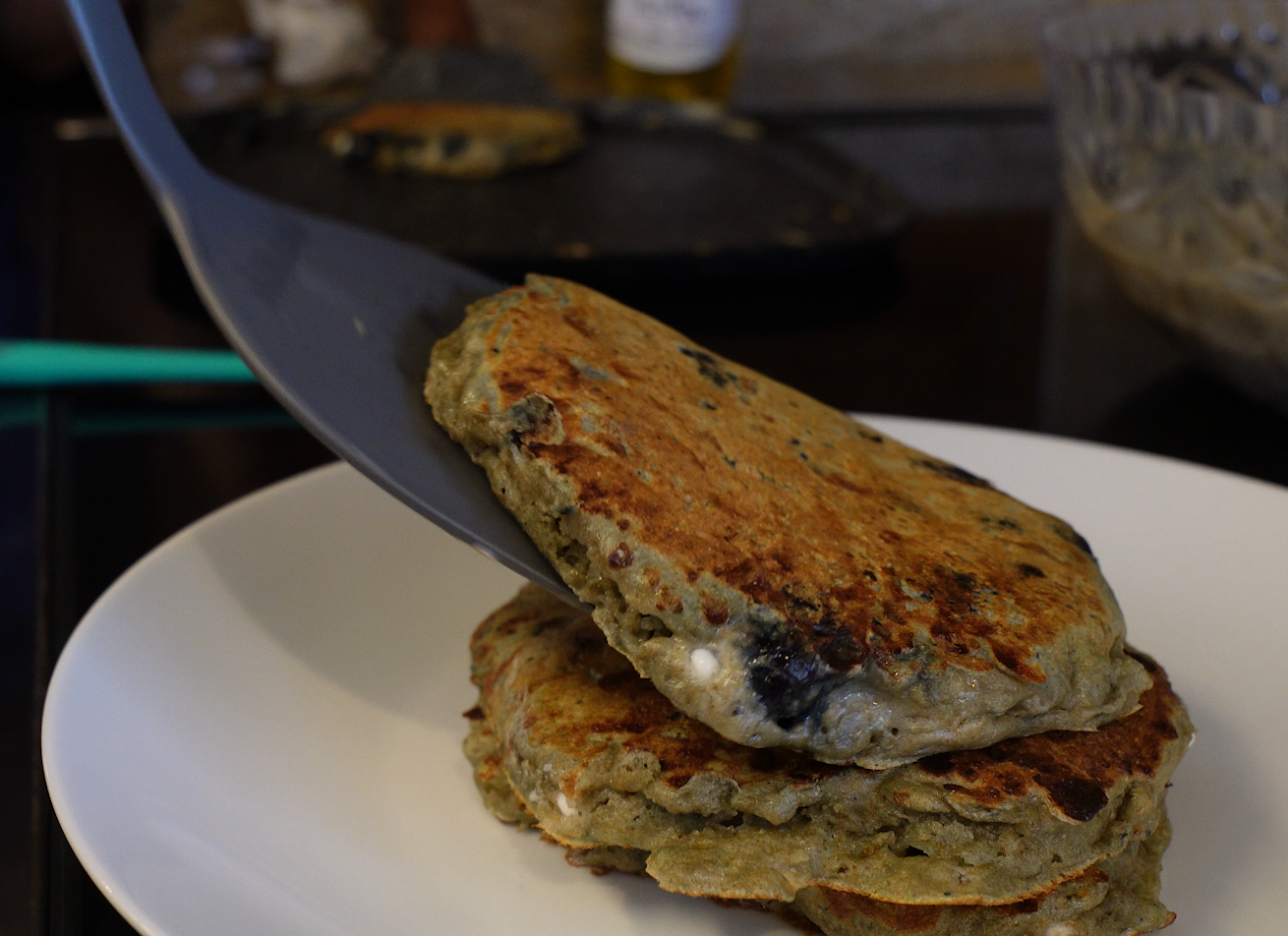
- Spoon 2 to 3 Tablespoons of batter into the pan for each pancake. Let the pancake cook for 3 to 4 minutes, or until you see bubbles on the surface of the pancake. Flip the pancake and cook for another 2 to 3 minutes, or until cooked through.
- If needed, add more oil to the pan, otherwise repeat step 5 until the pancake batter has been all used.
- Serve pancakes with maple syrup, blueberries, and cinnamon to enjoy!
Follow our Garden to Kitchen blog each month for great tips
and insights on growing and cooking edible plants:
Get this great content delivered directly to your inbox.
Subscribe to our monthly nutrition email newsletter.