

From Farm, to Food Bank, to Food Pantry, to You – Part 2
Anna Glasgow, MAT
Lead Garden Specialist
Taylor Holste, MR
Nutrition Assistant Director
Have you ever visited a food pantry or food cupboard? For many families, the experience can feel unfamiliar at first, but it doesn’t have to be a mystery. While every pantry operates a little differently, they all share one common purpose: providing food and support to families, no matter their circumstances.
To better understand what a visit looks like, we spent time with our friends at the Holly Springs Food Cupboard, which serves the southwest region of Wake County.
In 2025 alone, more than 1,500 families visited the Holly Springs Food Cupboard. The organization provides supplemental food and referral assistance to neighbors in need, helping bridge the gap during challenging times.
Food pantries and cupboards play an essential role in the larger food network, increasing access to nutritious food across communities. Whether someone is experiencing a temporary setback or ongoing hardship, these organizations are there to help.
What You May Need to Bring
- A valid photo ID
- A piece of mail with your current address
- Proof of income
- Documentation showing you live in the area being served
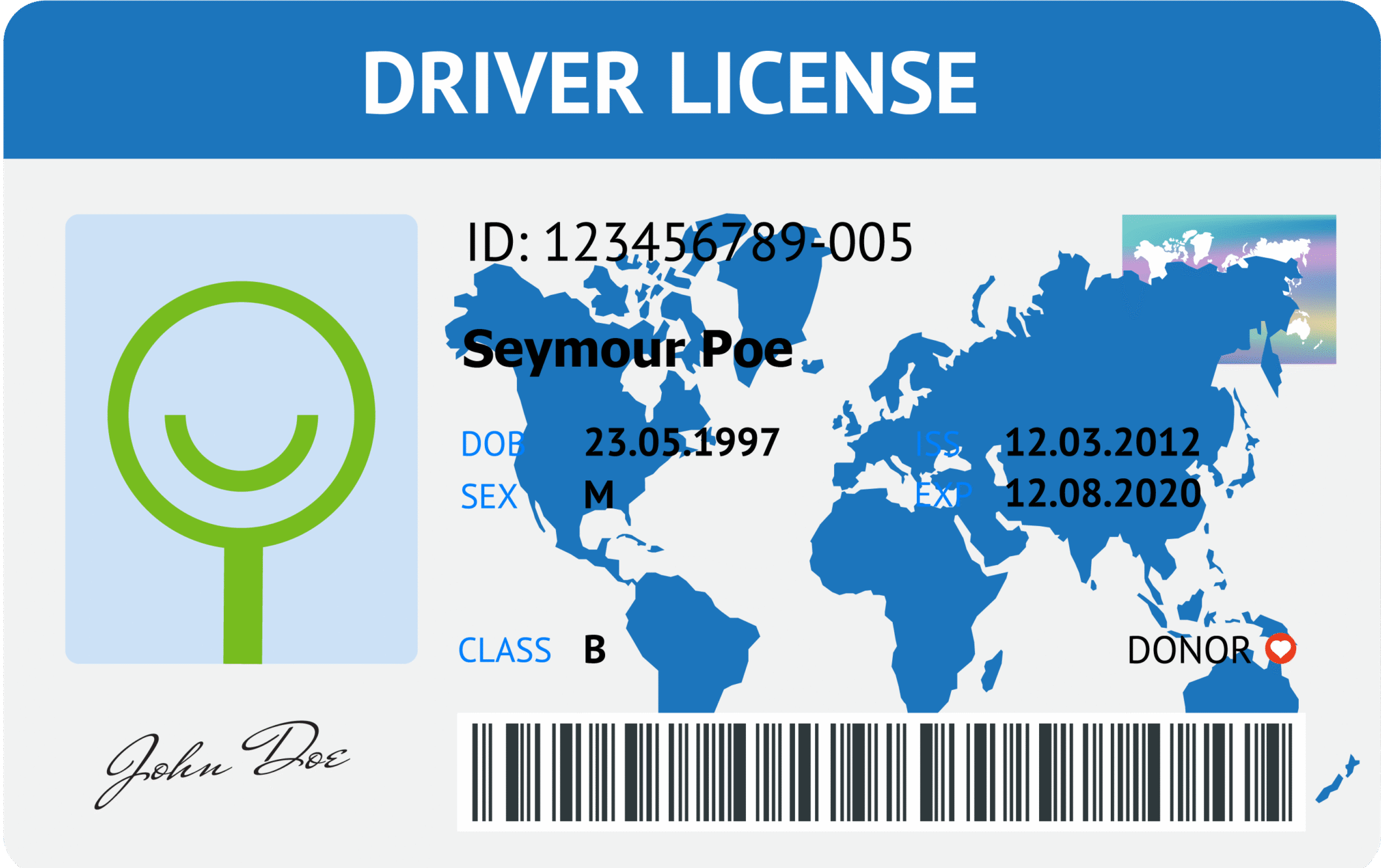

- A valid photo ID
- A piece of mail with your current address
- Proof of income
- Documentation showing you live in the area being served
Other pantries operate on a “no questions asked” basis and do not require documentation at all. Because policies vary, reviewing a pantry’s eligibility requirements and distribution schedule ahead of time can make your visit smoother and more comfortable.
Many pantries now offer flexible options, including:
- Drive-through pickup
- Walk-in appointments
- Scheduled deliveries (in some areas)
To find a pantry near you, visit foodfinder and search by your zip code.
Making the Most of Pantry Ingredients
The food available at pantries and cupboards varies depending on availability and donations. You generally can find canned fruits and vegetables, dry goods like pastas and rice, and some fresh produce. Having recipes that are versatile and can be easily adapted make shopping from food pantries more convenient. Our expert health educator demonstrates how to use commonly available pantry ingredients to create a simple, nourishing minestrone soup.
Food Bank vs. Food Pantry
Food systems are comprised of many levels – from farms and other sources, to food banks, to food pantries, to your table. The difference between a food bank and a food pantry is explained by our garden expert as she visits Inter-Faith Food Shuttle’s Camden Street Learning Garden in Raleigh to learn more about food banks, food sources, and locating a food pantry near you. To learn more about food banks visit our previous blog “From Farm, to Food Bank, to Food Pantry, to You – Part 1.”
Many people who once relied on SNAP benefits may now find themselves searching for alternative food sources. In North Carolina, there is a variety of food resources available for you and your family. These resources usually provide non-perishable items such as canned vegetables, dry goods, and boxed items. However, through initiatives like the Camden Street Learning Garden, fresh produce is also incorporated into food distribution.
Versatile recipes for food received from a food pantry:
Recipe Library | NC State Extension
Features: Versatile Recipes with swap suggestions, how to preserve leftovers, with English and Spanish versions available.
Recipe Cards | NC State Extension
Features: Versatile Healthy Recipes with swap suggestions, prep instructions, how to preserve leftovers, and how to preserve fresh ingredients for long lasting use.
Features: How to make homemade stock to minimize food waste, how to build your own soup recipe that can be customized with multiple ingredients.
Features: A step-by-step process to build your own recipe.
Looking to volunteer or donate to food systems? Visit Feeding America to find your nearest food bank.
Anything Minestrone
Serves: 6
Total Time: 45 minutes
Materials: stock pot or large pot, stirring utensil, cutting board, chef knife, liquid measuring cup, dry measuring cup, can opener, colander, teaspoon, cheese grater (optional)
Ingredients:
1 Tbsp extra virgin olive oil
1 yellow onion, diced
1 carrot, diced
1 celery stalk, diced
2 Bay leaves
1 sprig rosemary
1 (15 oz) can crushed tomato
1 (15 oz) cans cannellini beans, drained and rinsed
1 cup uncooked ditalini pasta
2 cups vegetables, chopped (zucchini, squash, snap beans, green beans, corn, etc.)
2 cups leafy greens, chopped (kale, cabbage, broccoli rabe, collards, etc.)
6 cups water
2 teaspoon salt (or to taste)
1 teaspoon pepper (or to taste)
Parmesan cheese to garnish

Directions:
- Heat a large skillet or a stock pot on medium heat.
- Add olive oil, onion, carrots, and celery. Saute until vegetables begin to soften, about 5 minutes.
- Add the bay leaves and rosemary and the crushed tomato. Simmer for 2 minutes.
- Add pepper, the vegetables, leafy greens, and water. Simmer for 10 minutes.
- Add pasta and beans. Simmer 10 minutes, or until pasta is cooked through.
- Remove the bay leaves and rosemary.
- Serve with parmesan cheese. Enjoy!
Notes:
Borlotti beans (Roman beans) are an authentic bean substitute. Kidney beans are also a common bean substitute. The pasta is optional; grain could come from a side of toasted bread, like sourdough. Ditalini pasta can be substituted with any small sized pasta. Parmesan rinds are an authentic addition, but not common to U.S. households. Minestrone vegetables are chosen based on season; this recipe reflects summer in NC. Crushed tomato can be substituted for whole san marzano or plum tomatoes
Fresh herbs can be substituted for dried (Italian seasoning, thyme, oregano, rosemary, red pepper flakes, garlic, etc.) Add more water to stretch this recipe over more meals. You can also freeze the soup to save large batches for future meals.
Resource:
Have fun making Minestrone Soup with your kids. Here is a great online activity to help them learn about the five food groups while making Minestrone soup.

Follow our Garden to Kitchen blog each month for great tips
and insights on growing and cooking edible plants:
Get this great content delivered directly to your inbox.
Subscribe to our monthly nutrition email newsletter.