

How to Talk to Children About Their Weight
How to Talk to
Children About Their Weight
by Maggie Perkins, RD, LDN - Senior Nutrition Health Educator
Many of us have heard the scary statistic that nearly one out of three children in North Carolina is overweight or obese. This month is National Childhood Obesity Awareness Month which serves to remind us of the work ahead to see the health of our nation change. There are numerous risks for obesity like Type II diabetes, cardiovascular disease (#1 leading cause of death for adults), and cancer. And recently we are finding children with precursors for these lifestyle diseases. Children aren’t able to understand the risks of complex disease states but something that children can understand is that being healthy makes them feel good and proud of their bodies. Speaking with children about weight is a sensitive subject and it is very important because the things you say to a child about their weight can affect them for a lifetime. Since the rate of overweight and obese children is so high, that means you will most likely be confronted with a child (niece, nephew, son, daughter, grandchild, student, friend) that is struggling with their weight. Here are some tips when you are confronted with this issue:
1. Practice what you Preach
I have stepped on so many toes throughout my years trying to tell my family how to be healthy until eventually I learned that to facilitate change in someone else, the best thing you can do is live healthy yourself. The experts from the Academy of Nutrition and Dietetics say it best “Don’t Talk, Do Something”1. Talking to anyone, especially children, about their weight is a touchy matter and can often lead to hurt feelings. Instead of babbling on, invite the child to go on a walk, dance, or eat a piece of fruit with you. Doing these healthy activities make us feel good, help us maintain a healthy body weight, and as an added bonus, can strengthen your relationship.
2. Forget the scale
If a child is overweight, an actual weight loss is usually not recommended. Because a child’s body is still developing it is important that a child receives all the nutrients they need to grow. If calories are severely restricted, then the child may not be receiving all the vital nutrients. A dietitian can tell you precisely the amount of calories a child needs but resources like www.choosemyplate.org can give you a close range2. The key for children is weight maintenance and for the child to grow into their current weight. Focus on encouraging healthy habits. Putting a large emphasis on the scale can create unhealthy preoccupation with weight and lead to dangerous dieting methods.
3. Don’t say Diet
Children of every shape and size should be encouraged to live healthy lifestyles, which includes getting 60 minutes of physical activity every day and eating a variety of foods from the MyPlate3. The USDA’s MyPlate guides us to make healthy choices to get all the nutrients we need from our food. One of the main messages from the MyPlate is to ‘make half your plate fruits and vegetables’. September is also Fruit and Veggies Matter Month so here’s a big shout out to fruits and vegetables for being beneficial for weight maintenance and overall health. Fruits and vegetables are low in calories and are packed with vitamins, minerals, water and fiber which keeps us feeing fuller for longer. Adding more of these foods throughout your day is an easy step to living a healthier life.
If you are interesting in learning more about living a healthier lifestyle check out the Poe Center for Health Education’s nutrition programming at www.poehealth.org.
1. http://www.eatright.org/Public/content.aspx?id=6848
2. http://www.choosemyplate.gov/weight-management-calories/calories/empty-calories-amount.html
3. http://www.choosemyplate.gov/about.html
Adolescent Distracted Driving: Tips for Parents
Adolescent Distracted Driving: Tips for Parents
by Thomas Ray, Poe Center Senior Director of Educational Programming
Most teen drivers do not text and drive. As a matter of fact, in a recently released (2014) study conducted by UNC’s Highway Safety Research Center only 6.7% of observations included any use of an electronic device by an adolescent driver (including holding phone to ear, talking hands free, and texting or suspected texting). For this study, g-force triggered an in-vehicle camera to collect a short video clip capturing data prior to and following the sudden velocity change. Almost as frequently, the trigger was related to adjusting vehicle controls (6.2%). Grooming (3.8%), eating or drinking (2.8%), and reaching for an object in the vehicle (2.5%) were the other most common driver behaviors.
 But get this – passenger behaviors were big time distractions for teen drivers. When passengers were present, loud conversations were distractions in 12.6% of the observations! Horseplay was present in 6.3% of the observations with the driver participating in the horseplay in over half of those (3.7%) [1].
So what’s the big deal? According to a national study analyzing accidents for drivers of ages 15–18, “recognition errors” were involved in 46.3% of teen driver involved serious crashes. These errors include inadequate surveillance (21.3%), internal distraction (13.9%), external distraction (6%), and inattention (2%) along with other errors [2]. We spend a lot of time talking about teen distractions with a focus on texting, but we probably need to spend more time focusing on educating passengers about the importance of their behavior in the vehicle with inexperienced drivers.
In terms of policy, we should commend our legislators for the graduated driver’s license that allows inexperienced drivers to take the time to move from a more controlled learning setting to more independence as the driver gains experience on the road. However, parents of adolescent or inexperienced drivers need to take the time to talk not only with their teen driver, but with the driver’s siblings and others who may be passengers. Here are a few tips for parents, passengers of inexperienced drivers and drivers:
- Parents, talk with your teen drivers about the dangers of distracted driving. Be a model of the behavior you want from your teen.
- Put your electronic device away before you put the car in gear. Turn the phone off and place it in the trunk or glove compartment.
- Consider installing an app that automatically replies to texts and calls. Some apps to consider include txtBlocker, CellSafety, Textecution, and iZUP.
- Limit the number of passengers in the vehicle with a teen driver. In addition to following the graduated license process, make sure that each passenger understands the need to avoid loud conversations and help the driver keep her or his eyes on the road.
- Remind drivers and passengers that horseplay needs to take place outside of the car. Horseplay just doesn't belong inside a moving vehicle.
- Passengers should offer to navigate, adjust controls, and reply to texts or calls for the driver as appropriate.
- EVERYONE in the vehicle should be in a seat belt. Unbelted passengers – even in the back seat – can cause fatal injuries for other passengers in the case of a vehicle crash.
References
[1] Foss RD, Goodwin AH. Distracted driver behaviors and distracting conditions among adolescent drivers: Findings from a naturalistic driving study. Journal of Adol Health 2014; 54:S50 – S60.
[2] Curry AE, Hafetz J. Kallan MJ, et al. Prevalence of teen driver errors leading to serious motor vehicle crashes. Accid Anal Prev 2011; 43:1285 – 1290.
Summer FUN at the Poe Center’s Healthy Habits Camp!
Summer FUN at the Poe Center’s Healthy Habits Camp!
Kate Jablonski, Nutrition Intern
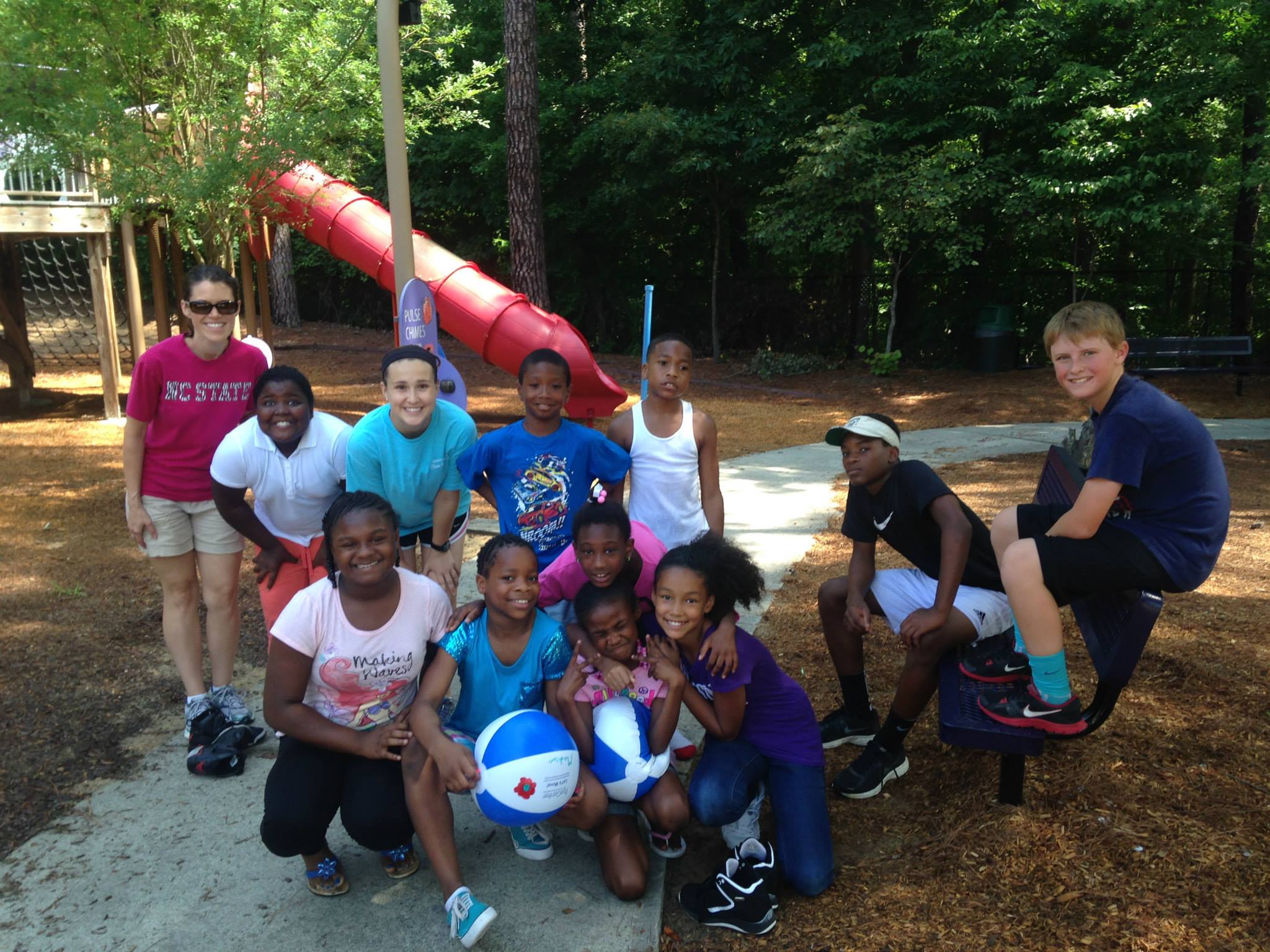 As summer comes to an end and school is about to start, we wanted to highlight the exciting summer activities we held at the Poe Center. Each year we host Healthy Habits Camp! The Poe Center provides two sessions of the summer camp, which is offered to rising 1st through rising 5th grade students. Each day at camp includes breakfast, lunch, and one (1) snack for each child who attends. Eligible children are able to attend this camp at no cost. Camp staff and campers had an awesome time at the 2014 Camp. Read below to find out what fun and healthy activities we included in this year’s camp!
Throughout Healthy Habits Camp, kids play outside on the PlayWELL Park, create exciting arts and craft projects, and participate in fun lessons and games about healthy ways to take care of their bodies. Each day of camp has a particular body system as its theme, and the activities of each day helps campers understand the system in a hands-on way. Trained and energetic staff members, interns, and volunteers act as camp counselors during the week. On the first day of each camp session, participants receive a Poe Center water bottle and sunscreen; they also get to know the Poe Center better through an entertaining scavenger hunt! During the snacktivities time, campers make creative and delicious healthy 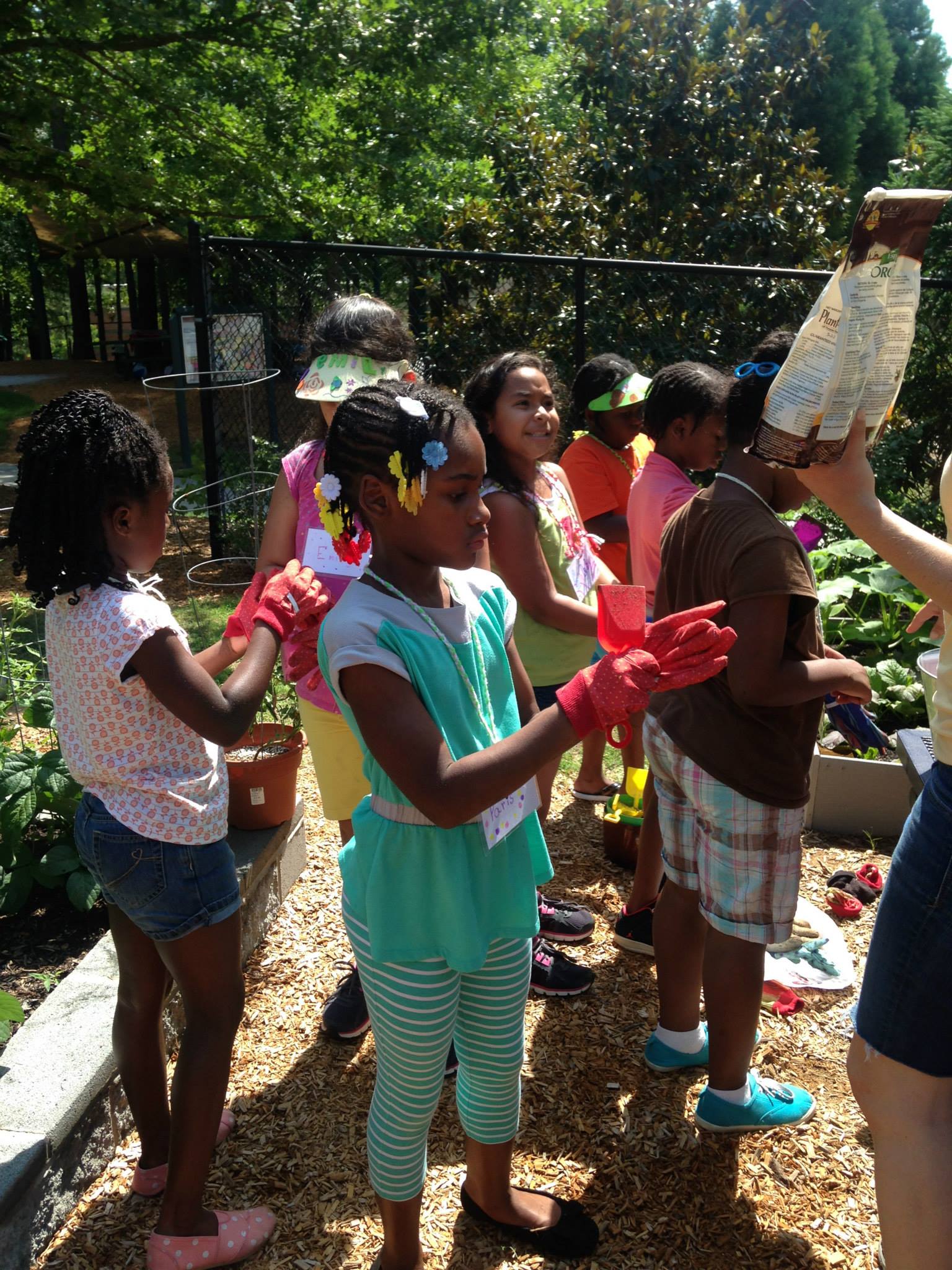 snacks. Participants also learn all about the MyPlate food groups and the different levels of the Physical Activity Pyramid. Additionally, campers have a chance to visit and explore the Poe and Grow Garden while learning all about plants and their needs. One day of camp is Water Day! Campers and counselors splash around and discover how to protect their skin and eyes in the hot summer sun. Throughout the week, each child has the opportunity to participate in various physical activities including yoga and obstacle courses! On the final day of camp, the campers present a brief program to parents based on what they learned that week.
Not only is this camp full of fun and adventure, it also promotes health education in a way that children can easily understand and apply to their lives. Be sure to think of us next year when selecting summer activities for your children!
National Health Center Week
National Health Center Week
by Caroline Dickson, Health Educator
 August 10th marks the beginning of National Health Center week! These community-based organizations serve those with limited access to health care and improve the quality of life for many. In 1965, clinics were created as part of the Office of Economic Opportunity. These clinics were initially called “neighborhood health centers” and were formed with the purpose of promoting empowerment and providing health and social services to locals in the community. This week is dedicated to recognizing the importance of Health Centers all around the nation, allowing communities to appreciate the many services provided. For almost 50 years, community health centers have delivered high-quality preventative and primary care to patients regardless of their ability to pay. Health centers provide a variety of health-related services, including specialty care (orthopedic, cardiac, podiatric care), mental health services, and dental care. They also provide supportive services including nutrition education, care coordination, transportation to and from health care sites, and translation services. Studies have estimated that health centers save the U.S. health care system between $9.9 and $24 billion a year by eliminating unnecessary emergency room visits and other hospital based care. Overall, health centers serve more than 21 million patients annually, including 4 million new patients in the past 4 years. In addition, these centers have created around 148,000 jobs in the United States. It is important to take care of our bodies through healthy eating, exercise, and getting enough sleep. It is also important to take action when we are injured or sick by seeing a physician and getting quality care. With health care centers, this is made possible for millions of people around the nation. So, a big THANK YOU goes out to all health center staff for everything you do! Keep up the great work.
Sources:
http://www.hrsa.gov/ourstories/healthcenter/healthcenterweek.html
http://www.nhpf.org/library/background-papers/BP_CHC_08-31-04.pdf
June is National Safety Month
National Safety Month
Adults play a key role in helping our children grow into a healthy adulthood. Preventable injuries, however, lead to unwanted Emergency Department visits, long-lasting injuries, and even death for many children each year in North Carolina. There are many ways in which children and teens can get injured, whether it is outside playing in the driveway, or inside the medicine cabinet. Some of the most common causes of childhood injury are from motor vehicle accidents, falls, poisoning, and pedestrian-related accidents. These injuries are avoidable if precautions are put into place and parents and children exercise proper communication about these serious topics.
Motor vehicle crashes are a main source of childhood injury, whether the child is a pedestrian struck by the car or a passenger in the vehicle. While sometimes vehicle accidents are not a specific driver’s fault, many accidents occur due to the distractions encountered while driving. Teens and adults are susceptible to these distractions such as texting or talking on the phone, driving under the influence, or doing other things like applying makeup or eating. Many of these childhood motor vehicle-related injuries could be prevented if drivers would simply take more time to focus on the road and not other things. Keep away from alcohol, and put away the cell phone. These are the proper steps to preventing childhood motor vehicle (occupant) and pedestrian injuries.
 Preventing pedestrian injuries is not only the responsibility of the drivers, but also the responsibility of community leaders, children and parents. Putting in place sidewalks and crosswalks improves the safety of our streets for our children and youth. Parents and children can take steps to prevent pedestrian-related injuries by making sure to be aware of cars and other people around while playing near the streets or on the sidewalk. Also, it is especially important for children to wear the proper safety gear while playing outside. Be sure to always wear a helmet and proper knee and elbow pads while riding a bike, skateboard, or scooter. It is the responsibility of community leaders, drivers, as well as pedestrians to make sure everybody is safe.
While many of the causes of childhood injuries occur outside the home and on the road, injuries can also occur at home. Often, children are injured unintentionally from easily accessible items under the sink and in the medicine cabinet. Younger children are especially susceptible to being poisoned or harmed from these products, simply due to the fact that many medications look, and sometimes taste, like candy. The main way to prevent these injuries from occurring is for parents to talk to their children about prescription drug safety, and to also make sure to keep medications and harmful substances like cleaners away and out of reach of children. Children are extremely curious. We need to take extra precautions to keep them safe and these items out of their hands.
There are many causes for childhood injury, from poisoning to falling down playing. However, the majority of childhood injuries can be prevented or minimized if parents and adults would communicate 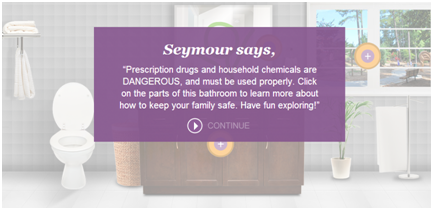 with children and teens about the proper precautions to take in each activity. Put down the cell phone when driving; wear a helmet when riding a bike; and keep potentially harmful medications and chemicals out of the reach of children.