National Physical Fitness and Sports Month
National Physical Fitness and Sports Month
By Caroline Dickson - Health Educator
This month is the observance of physical fitness and sports. When most people hear the words “exercise” or “physical activity,” they run the other way (no pun intended). What most Americans do not realize is that exercise can be fun for all ages! At the Alice Aycock Poe Center for Health Education, we provide fun and interactive programming for children on various topics including general health, dental health, bullying prevention, and nutrition and physical activity. Many of our nutrition and physical activity programs discuss the benefits of exercising and being active every day. The physical fitness programs we offer include:
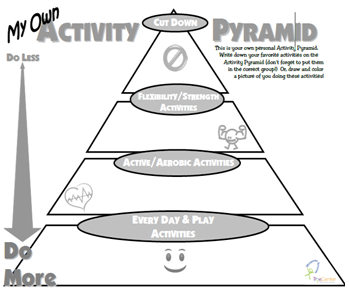
- Fitness is Fun. This program is designed to help kindergarten through second graders understand the physical activity pyramid as well as why being active is so important!
- Healthy Habits. Our K-1st grade program looks at the importance of establishing healthy habits at an early age. This program also discusses the importance of getting 60 minutes of physical activity every day.
- Play Hard, Stay Fit. This program is designed for 2nd-3rd graders. It helps children define exercise and what it means to be healthy or unhealthy. Participants also look at the risks associated with poor health behaviors as well as the benefits of physical activity.
- FITT for Life. Our 4th-5th grade program discusses the importance of balance between eating and exercising. It also introduces the different levels of exercise as well as the components of a good athlete.
According to the Center for Disease Control and Prevention, all children and adolescents should get at least 60 minutes of physical activity every day. Our programs help children learn how to get their 60 minutes of exercise while still having fun! The Physical Activity Guidelines for Americans recommend that adults aim for 2 hours and 30 minutes of moderate aerobic activity each week. Some examples of aerobic activity include walking fast, dancing, swimming and raking leaves. During the month of May, we challenge you to get 30 minutes of physical activity every day! You can find more information on physical activity at http://www.cdc.gov/physicalactivity/.

Alcohol Awareness Month - April 2014
Alcohol Awareness Month
By Rebecca Wheeler - Health Educator
Availability heuristic, a fancy word buried deep in the vocabulary from that Introductory Psychology class you took in college. But whether you can recall the definition or not doesn’t lessen the impact this concept has on our daily lives. Availability heuristic is the example our mind immediately goes to when we are making judgments, and often, the “facts” we deem as true, aren’t true at all. For instance, based on publicity, how many people would you assume were attacked by sharks versus, say, debris falling from the sky? Give up? Actually you are 30 times more likely to be killed by falling debris from an airplane than a shark attack (Ruscio, 2002, p. 111).
Let’s use this idea to explore health. What’s the costliest health crisis facing our country today? Many would immediately say heart disease or obesity, and why not? Media is inundated with messages on how to decrease a child’s risk of obesity and the risks of a high sugar diet, and you cannot drive far down a major highway in February without seeing an American Heart Disease “Go Red” campaign billboard. Shear economics tells us that these issues are important. Some researchers have projected the US will spend upwards of $66 billion on obesity-related health care costs (Harvard), and yearly the US spends $107 billion to treat heart disease affecting 28 million people (“Five Year”, 2012). But what if I told you there was a disease that affected almost twice as many people as heart disease, and the US spends less than 26% in treating this disease compared to heart disease. In addition, this disease costs the US economy billions more than obesity-related illness. Give up? Addiction.
It’s true. In 2010, only $28 billion was spent on treating addiction. An illness that affects more than 40 million people carrying an economic healthcare cost of $524 billion dollars, and of that cost $185 billion is related to alcohol use, more than illegal drugs and tobacco (“Five Year”, 2012). Alcohol abuse is three times as common as other drug use disorders. Not to mention the $132 billion accrued in drunk driving costs, according to the National Highway Traffic Safety Administration 2010 data.
Chances are our loved ones will be more likely to experience a substance use disorder than heart disease or obesity. Unfortunately, using that availability heuristic, we feel much more comfortable confronting our friend if we were concerned about their blood pressure than “drinking too much”. We often discuss high blood pressure in the same vein as educating the person on healthy ways to handle stress. In the high blood pressure example, we are trying to teach the person healthy coping strategies. Why are we so afraid to also see alcohol abuse in this way; that something has gone awry in the person’s coping mechanism? After all, alcohol is understood to act on the serotonin pathways in the brain. The link between low levels of serotonin and alcohol dependency has been well studied, and often one sees anxiety or depressive disorders running co-morbid with alcohol dependence (Lovinger, 1999). The alcohol becomes a means of self-medication. Shifting our mindset that alcohol abuse is a “moral failing” to a “disease in the reward pathway of the brain” might be a start in helping us begin to be honest and talk about this disease for what it really is.
Educate yourself on the warning signs and risk factors:
| Warning Signs: | Risk Factors: |
| Increased tolerance for the substance (needs more of the substance over time) | Availability of alcohol and tolerance in social group |
| Preoccupation with obtaining the substance | Presence of other mental illnesses (like depression or anxiety) |
| Continued use after recognizing the problem | Genetics/Family History |
| Problems with withdrawal when not using substance | Social factors (unemployment, divorce, peer-use, other major life events) |
| Difficulty controlling use | Sensitivity to the substance (physiologically less sensitive, have a higher alcohol tolerance) |
| Giving up important activities (occupational, family, etc) |
Substance use disorders. (2013). Mental Health First Aid USA (1st ed.). Lutherville: Health Association of Maryland
Five year national study reveals: Addiction treatment neglected by u.s. medical system. (June , 26 2012). Retrieved from http://www.casacolumbia.org/newsroom/press-releases/addiction-medicine-report-1
Harvard School of Public Health. (2014). Obesity prevention source. Retrieved from http://www.hsph.harvard.edu/obesity-prevention-source/obesity-consequences/economic/
Lovinger, D. M. (1999). The role of serotonin in alcohols effects on the brain. Current Separations, 18(1), 23-28. Retrieved from http://www.currentseparations.com/issues/18-1/cs18-1d.pdf
National Highway Traffic Safety Administration FARS data, 2010 - See more at: http://www.madd.org/statistics/#sthash.BloTdsdD.dpuf
Russo, J.E., & Schoemaker P.J. (2002). Winning Decisions. New York, NY: Doubleday
National Youth Violence Prevention Week
National Youth Violence Prevention Week
By Dana Orr - Senior Health Educator
This week is the observance of National Youth Violence Prevention Week. I recently learned of an organization called Students Against Violence Everywhere (SAVE). I was attracted to their goals, mission and vision because they seem to align with much of the work we do here at the Alice Aycock Poe Center for Health Education. They are a nationwide group of student volunteers who are focused on making schools and communities safer. I always enjoy reading about peer focused groups and seeing students taking a stand against vitally important topics such as youth violence. We have all been directly or indirectly affected by some form of youth violence. This group provides positive peer influences to teach and model peaceful conflict resolution, stress and anger management. As we know, anger and stress are a reality in our lives. SAVE focuses on strategies and techniques to cope, manage and redirect these feelings in healthy and productive ways.
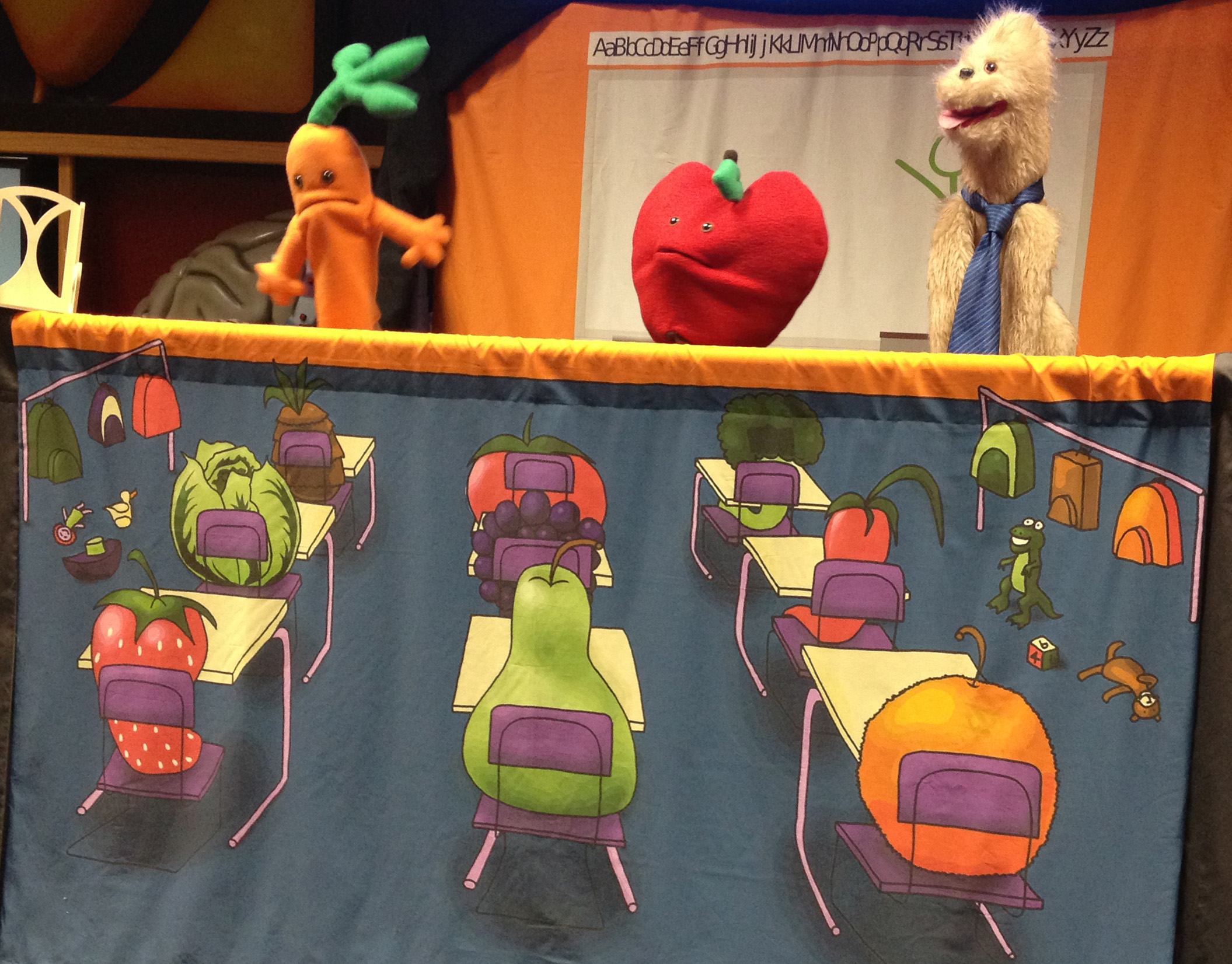 The Poe Center offers bullying prevention education programs to help teach children and youth how to make a positive impact against bullying in their schools and communities. Our preschool program, Bully Free Friends: Everyone's a Star, introduces preschoolers and their caregivers to the importance of healthy and effective interpersonal communication and relationships. Specially designed puppets explain how to recognize bullying, teasing, and aggressive behaviors and address appropriate ways to respond. Don't Stand By: Be a H.E.R.O., our 4th-5th grade program uses an intervention strategy that focuses time and skill building to help bystanders stand up and speak up when it comes to bullying in their schools, neighborhoods and communities. Our in-depth four-session series for middle school students, The Alphabet of Anti-Bullying, challenges students to “dig deep” into themselves and overcome real and perceived pressures in order to do the right thing. Each session includes exercises, activities, and reflection time with journaling responses to thought-provoking prompts. There is a pledge at the end of all of the sessions, describing what is expected of those who have been through the program.
Check out the Poe Center's Facebook and Twitter pages throughout this week for various awareness tools that are recommended by SAVE. The Poe Center's website also provides Resources and Games & Activities related to Bullying Prevention. The Poe Center wants to do our part to eliminate youth violence. If you are interested in scheduling Poe Center programming please visit our website.
Let’s ask ourselves this week:
What can I do to promote a more peaceful environment?
How to ‘Enjoy the Taste of Eating Right’ for the Vegetable Skeptic
How to ‘Enjoy the Taste of Eating Right’ for the Vegetable Skeptic
By Maggie Perkins, RD, LDN - Senior Nutrition Health Educator

Many people are quick to state “I don’t like vegetables” which, as a dietitian, I hear regularly. But usually those who “don’t like vegetables” do, in fact, like some vegetables. Maybe you fancy vegetables like corn, green beans, potatoes, or even tomatoes without the skin? If you enjoy one vegetable, than you can no longer discredit your vegetable enjoyment! The Academy of Nutrition and Dietetics recognizes March as National Nutrition Month and this year the focus is “Enjoy the Taste of Eating Right”. Let’s discuss some factors that affect tastes and how we can increase our palate to enjoy healthier foods.
Variety is key: Eating a varied diet will ensure that you get all the nutrients your body needs to perform its best. Being adventurous with recipes and adding foods that are new or rarely used is a great way to increase variety. Also, having an awareness of the foods that you have eaten throughout the day and intentionally picking different foods can increase your variety. For example, “my protein for lunch was beef, so my protein for dinner shall be … beans!” Another benefit of eating a varied diet is that the newly introduced flavors may enlighten your palate to enjoy foods that you have historically hated.
Don’t force yourself to eat foods: It is important that we eat foods from each food group every day, but if you are trying to eat more vegetables don’t force yourself to eat mass quantities of the types that you dislike in an effort to eat healthy. Pick another food from the same food group instead. This is one of the biggest reasons dietitians dislike fad diets. Diets tell you what to eat leaving little room for personal preferences. To make lifestyle changes towards healthy eating, it is important to pick foods that are right for you.
Genetics play a role: Our taste buds pick up five distinct tastes; sweet, salty, umami, sour and bitter. The genetic make-up of our taste buds and our perception absolutely affects our food choices. But our tastes do change and you can use this to your advantage.
Start slowly when making a change: Don’t give up on foods that you haven’t liked in the past and continually try small amounts of those foods. A bite here and a bite there—you never know when your tastes will change. If you are trying to make a change to a healthier beverage, making mixtures can help transition your taste buds. For example, if you are trying to make the change to 1% milk and you are currently drinking 2%, try mixing a ¾ cup 2% to every ¼ cup of 1%. Then slowly decrease the 2% milk and increase the 1% milk until you are chugging 1% milk like a champion.
Prepare it differently: Throughout my childhood, the only exposure I had to brussel sprouts were the microwaveable variety. To me they were a bitter, stinky vegetable floating distastefully in a watery sauce. It wasn’t until college that I discovered roasted brussel sprouts. Wow! Roasting them awakened my appetite for these delicious, crispy, hot little cabbages. For picky eaters, hide vegetables in soups, sauces, casseroles and baked goods.
Understand the power of healthy eating: Increasing your vegetable intake can help prevent chronic disease, increase energy, maintain a healthy body weight, and boost the mood. Vegetables are super foods packed with vitamins, minerals, antioxidants and fiber.
Create positive experiences around foods: It is easy to love cake and cookies because they are celebration foods and are usually connected with positive experiences. Try hard to celebrate without the high fat, high sugar foods. But if a sweet treat is a must, try to balance out the meal by adding more nutritious foods to the menu. Remember to create some positive experiences around these healthy foods, which is why it is imperative not to force picky eaters to eat unwanted foods. To get a picky eater to try new foods: 1. Eat them yourself 2. Prepare them often 3. If they refuse, don’t make a big deal out of it and offer it again next time.
Learning to enjoy healthier foods requires exposure and persistence. It may take more than 10 tastes before a child learns to appreciate a new flavor. So don’t write off vegetables, you may be surprised that you like them more than you realize. If you are interesting in learning more about living a healthier lifestyle check out the Poe Center for Health Education’s nutrition programming at www.poehealth.org.
References and other interesting articles:
http://www.eatright.org/nnm/#.UxiGR_mwJMo
http://www.eatright.org/nnm/games/wordsearch/kids/index.html
http://www.eatright.org/NNM/content.aspx?id=6442470035#
http://www.eatingwell.com/nutrition_health/nutrition_news_information/retrain_your_taste_buds?page=9
http://www.todaysdietitian.com/newarchives/092208p54.shtml
http://www.hsph.harvard.edu/nutritionsource/vegetables-full-story/
February is National Teen Dating Violence Awareness Month
National Teen Dating Violence Awareness Month
February is National Teen Dating Violence Awareness Month. This month provides a great opportunity for our community to raise awareness and take action to ending teen dating violence. One in three adolescent girls in the US is a victim of physical, emotional or sexual abuse from a dating partner. This violence has serious consequences like putting these teens at a higher risk for substance abuse, eating disorders, risky sexual behavior, suicide and adult re-victimization.[1] Now is the time to take a stand against teen dating violence. This month please join the Poe Center for Health Education as we can work together to raise awareness.
A great resource for how you can help on an individual level is by going to teendvmonth.org. This website provides many great ways to take action like a toolkit with resources to distribute, a template to write a letter to a public official and weekly webinars in February with information about dating abuse and healthy relationships.
Also please join the Poe Center this Saturday, February the 15th from 10am until 2pm at our Teen Health Advisory Council Meeting. Make plans to get real and go deep with topics including how to build communication skills, all the facts on STIs/STDs, and managing your interpersonal skills. Get great advice from your peers and local experts from Wake Interact. Lunch and snacks will be provided.
Please follow this link to register: bit.ly/1iOP0xQ
The Poe Center currently offers the following programs in the Family Life Theater that discuss healthy relationships:
Puzzled by Puberty
Grade Level: 5th
Engage in an honest conversation regarding the physical, emotional and social changes that occur during puberty. Discuss the structure and function of the male and female reproductive systems, the menstrual cycle and fertilization. Interactive activities and an age appropriate movie reinforce important messages covered during the program.
Facts of Life
Grade Level: 6th – 8th
Review puberty and the male and female reproductive systems so participants can discuss the menstrual cycle, fertilization, implantation, fetal development and the birth of a baby. Sexually transmitted infections (including HIV/AIDS) are briefly introduced at the conclusion of the program. Interactive activities are utilized to reinforce program content.
Reproduction: Healthy Responsibility
Grade Level: 9th – 12th
Discuss and encourage the benefits of abstinence until marriage, while investigating the transmission, symptoms and treatment of sexually transmitted infections (STIs) including HIV/AIDS. Explore STI and pregnancy prevention methods including failure rates. Interactive activities, including the “Empathy Belly,” are utilized to reinforce program content.
To learn more about the Poe Center and our programs visit poehealth.org.
If you have questions or wish to schedule, please contact Kate at k.mascho@poehealth.org or 1-866-402-4799 ext. 399!
Poe Center Bullying Prevention Programming
Bullying is a serious issue that simply cannot be tolerated as a normal part of childhood. The Poe Center for Health Education offers captivating, age-specific programming in bullying awareness and prevention that help participants make a positive impact against bullying in their schools and communities.
Tune in to UpFront! on Saturday, February 1 from 9 AM – 10 AM on WSHA 88.9 FM radio to hear the Poe Center’s Executive Director, Ann Rollins, discuss our newest bullying prevention programs
and
Check out FOX50’s Tarheel Talk on Sunday, February 15 at 6:30 AM to hear the Poe Center’s Director of Educational Programming, Thomas Ray, discuss current bullying trends and statistics.
The Poe Center currently offers the following Bullying Prevention Programming:
Bully Free Friends: Everyone’s A Star
Grade Level: Preschool – 1st
Puppets “Angie Apple”, “Curtis Carrot” and “Star Fruit” will explain how to recognize bullying, teasing, and aggressive behaviors and address appropriate ways to respond.
Don’t Stand By: Be a H.E.R.O.
Grade Level: 4th – 5th
Research suggests that the majority of children involved in bullying are the bystanders. “Don’t Stand By” uses an intervention strategy that focuses time and skill building to help bystanders stand up and speak up when it comes to bullying in their schools, neighborhoods and communities.
The Alphabet of Anti-Bullying
Grade Level: 6th – 8th
The Alphabet of Bullying takes a more intensive approach to bullying prevention through four sessions. Middle school participants are encouraged engage in deeper discussions focused on one topic per week.
The Alphabet includes:
D for Diversity
B for Bullying
R for Relationships
C for Change
Bullying Uncovered Lite: What Parents and Adults Need to Know!
Adult ONLY Bullying Prevention Workshop – Program Length: 75 minutes
Adult participants will learn about bullying issues facing today’s adolescents. Bullying Uncovered will educate and inform parents and adults on the various forms, signs and symptoms of bullying.
To learn more about the Poe Center and our programs visit poehealth.org. If you have questions or wish to schedule, please contact Kate at k.mascho@poehealth.org or 1-866-402-4799 ext. 399!
Celebrate Dental Health Month with the Poe Center!
Celebrate Dental Health Month
with the Poe Center!
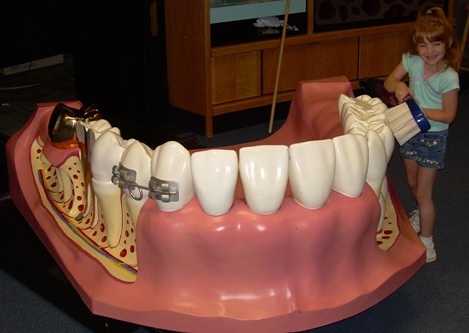
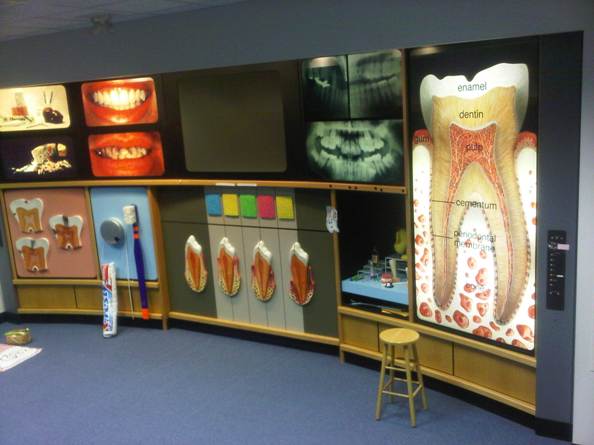
 Invite the Poe Center to teach your students this February for Dental Health Month. Dental Health programs at the Poe Center educate your children on oral hygiene and the care of the teeth and gums. While our exhibits are able to bring brushing and flossing to life at our Raleigh facility, their messages and information can be brought right to your classroom! Super Smiles is one of the Poe Center’s most popular dental health programs, for kindergarten and first graders, and it has been updated for 2014 to include more fun sounds, music and activities. Super Smiles still includes its favorite star, Mr. Big Mouth, who teaches students about the importance of proper brushing and flossing. Let the Poe Center help you make health education fun and memorable for your students!
Check out our complete list of Dental Health Programs, we offer 30 to 45 min sessions for preschoolers through second grade students. You may Schedule Online or contact our scheduling coordinator at 919-231-4006 ext. 399 or k.mascho@poehealth.org.
Creating "Bully Free Friends: Everyone's a Star" Puppet Show
Creating "Bully Free Friends: Everyone's a Star" Puppet Show
by Maggie Perkins, Senior Nutrition Health Educator
I was given the job to complete the Poe Center’s bullying prevention puppet show, Bully Free Friends: Everyone’s a Star, for preschool through second grade students. Many hours of hard work had already gone into this project but some final touches needed to be made before the show’s big debut. I was given a script that Poe Center health educators created, two songs that were recorded by our educators and a uniquely designed puppet stage.
After reviewing the script for the first time I immediately connected with the characters and my heart went out to the star performer, Star Fruit. Star Fruit tells the audience about her very first day at preschool and shares some of the challenges she faced. The energetic cast of characters includes Curtis Carrot, Angie Apple and Mr. Monkey Ray. Did you notice that many of our characters are fruits and vegetables? It’s not surprising the Poe Center picked produce as the cast because of our great appreciation of fruits and vegetables. After reading and enjoying the script, I realized one health educator had to perform the puppet show with four characters and that is where my work began!
The Poe Center connected with Horizon Productions to professionally record the script. The opportunity to record the script was fascinating and the Poe Health staff that recorded the character’s voices were in awe at the equipment and set up of the recording studio. This great experience really added a fine touch to the puppet show with music, sounds and fun surprises.
Many more hours of work were put into prop development and engineering before the Bully Free Friends team had completed the program. It was now time to test it out on an audience. The Poe Center’s Healthy Habits Camp participants were the first to view the program. The response from our campers was amazing! Bully Free Friends sparked conversations among the campers about friendship and kindness. Although the program is targeted towards preschool through second grade students, we found that kids of all ages enjoy it. Even the older campers identified with the plot line. Because the program made a positive impact on the camper’s behavior, Bully Free Friends: Everyone’s a Star will now be integrated into the first day of Healthy Habits Camp to reinforce the importance of sharing and treating everyone with respect.
Poe Center Staff are very proud of our Bully Free Friends: Everyone’s a Star program and we are excited to share this program with the children of North Carolina. To schedule your Bully Free Friends: Everyone’s a Star session contact Kate Mascho at 919-231-4006 ext. 399 or k.mascho@poehealth.org.
“Me, Myself and I” Becomes “Mission POE-ssible”!
“Me, Myself and I” Becomes “Mission POE-ssible”!
New school year, new name… same health education program (only enhanced)!
North Carolina students in Grades 4 and 5 will be able to enjoy Mission POE-ssible! Formerly titled Me Myself and I, this program, brought to you by the Alice Aycock Poe Center for Health Education (Poe Center), explores how the heart and lungs work as a team. Mission POE-ssible takes participants on a journey to learn and explore the human body. Participants will identify several body systems as well as learn about what can affect these systems. Participants explore myths and realities of sunscreen, learn the importance of protective equipment and learn about the spread of germs and food borne illnesses.
Why the name change?
Changing the name of the program reflects the updates and changes that have been made to this VERY engaging program. Students will explore five different body systems through interactive activities that get the whole class involved. Strong visual displays help students understand how systems work as they become “secret agents” to complete Mission Poe-ssible.
What makes this program unique?
Secret agents (students) are tasked with a mission to defeat some of the saboteurs of our body systems. Agents have to make choices and answer questions along the way to complete the mission. The exhibits and activities provide the agents with opportunities to get into the concepts and see their systems “up close”.
Which North Carolina Department of Public Instruction Healthful Living Essential Standards requirements does Mission POE-ssible meet?
Healthful Living Essential Standards, Grades 4-5
The following Healthful Living Essential Standards clarifying objectives are addressed to varying degrees by this intervention.
Grade 4
4.PCH.1.2 Recognize methods that prevent the spread of germs that cause communicable diseases.
4.PCH.2.1 Identify the basic components and functions of the respiratory system.
4.PCH.2.2 Summarize habits to care for the skin.
4.PCH.3.1 Outline the functions of various health products.
4.PCH.3.2 Analyze advertisements of health products and services in terms of claims made and the validity of those claims.
4.PCH.4.1 Explain why it is safe to be a friend of someone who has a disease or health condition (cancer, HIV, asthma, or epilepsy).
4.PCH.4.2 Identify personal protection equipment needed for sports or recreational activities.
4.NPA.1.2 Carry out measures to prevent food borne illness, including hand washing and appropriate food storage and preparation.
4.NPA.3.1 Explain how nutrition and fitness affect cardiovascular health.
4.ATOD.1.1 Summarize short-term and long-term effects of cigarettes and smokeless tobacco products.
Grade 5
5.PCH.2.1 Recognize dependable resources for health information.
5.PCH.2.2 Differentiate between safe and unsafe products.
5.PCH.3.2 Carry out activities that avoid harmful effects of the sun.
5.PCH.4.1 Summarize the functions of the organs which make up the digestive system.
5.PCH.4.2 Interpret the relationship between and among the vessels and organs of the circulatory system.
Note: Italics indicates New Clarifying Objectives
Have additional questions about this and other Poe Center programs?
Please contact Thomas Ray, Senior Director of Educational Programming at t.ray@poehealth.org.