


Feeding Growing Minds and Bodies - How Nutritional Needs Change During Puberty
Feeding Growing Minds and Bodies - How Nutritional Needs Change During Puberty
Vineeta Shah
Health Educator
Poe Center for Health Education
Puberty and reproductive development are critical milestones in a child’s growth. Proper nutrition plays a vital role during this time. A balanced diet not only supports physical growth but also helps regulate hormones, energy levels, and overall reproductive health. Families can work together to make nutrition a priority, creating healthy habits that will benefit kids and teens for years to come both mentally and physically.
Let’s review common questions and concerns from families:
Question: Why is nutrition such a big deal during puberty?
Answer: Rapid changes in the body during puberty include growth spurts, hormonal shifts, and reproductive system development. Children and teens need various nutrients to meet increased energy demands and support overall health to support his process. Growth spurts require more calories to fuel the increase in size and muscle mass. The body’s need for increased calories is the most during the teen years and will range from 2200-2800 calories a day. Each body is unique, try to pick meals that fit your family’s culture and needs.
Q: What happens if nutrition isn’t a priority during puberty?
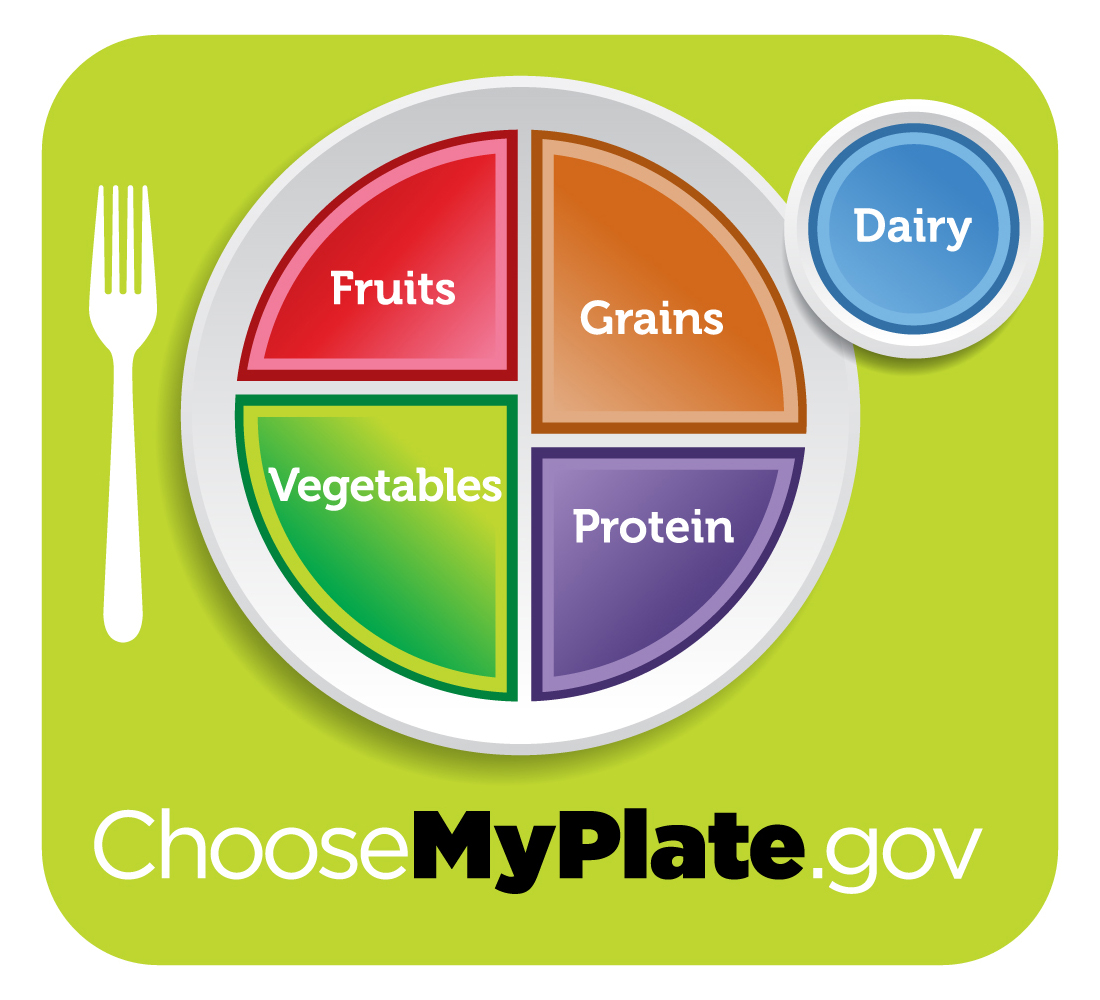
A: Inadequate nutrition during puberty can disrupt hormone balance, which will delay growth and can lead to reproductive health issues in adulthood. Poor nutrition can increase the risk of mood disorders and contribute to low energy levels. This, in turn, can contribute to reduced attention in school or activities. To learn more about a balanced diet and to design meals that work for your tween or teen, visit MyPlate.gov.
Q: Why is protein important for teens, and where can they find it?
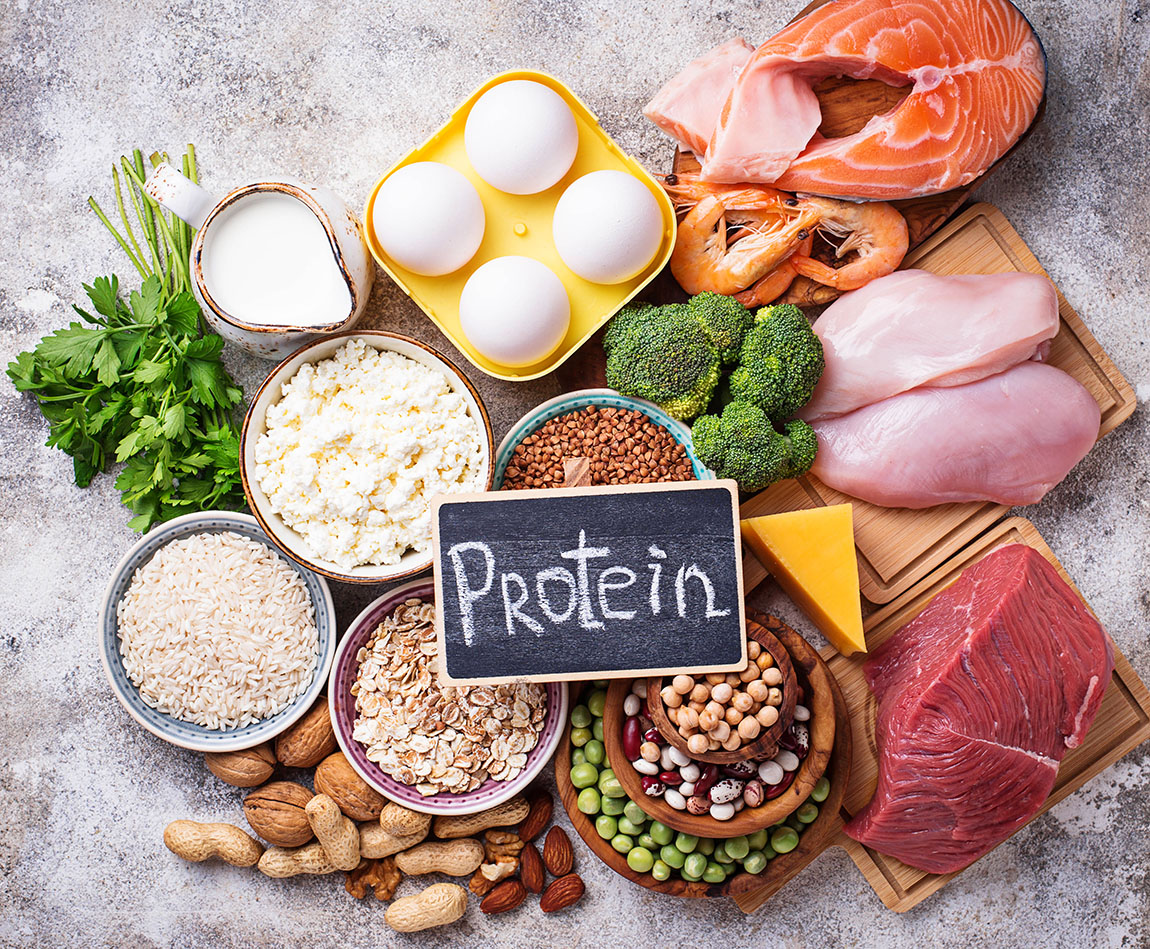
A: Protein builds and repairs muscles and tissues in the body. Good sources of protein include animal and plant sources such as chicken, fish, eggs, tofu, or beans. Animal sources of protein are complete and contain all the essential amino acids needed from the diet. Plant-based protein sources are incomplete. This does not mean they are less nutrient-dense, but plant proteins need to be combined with other foods to get all 9 essential amino acids. Some popular combinations include black beans and rice, hummus and pita bread, or tofu over tortillas or rice.
Q: What role do healthy fats play, and how much do teens need?
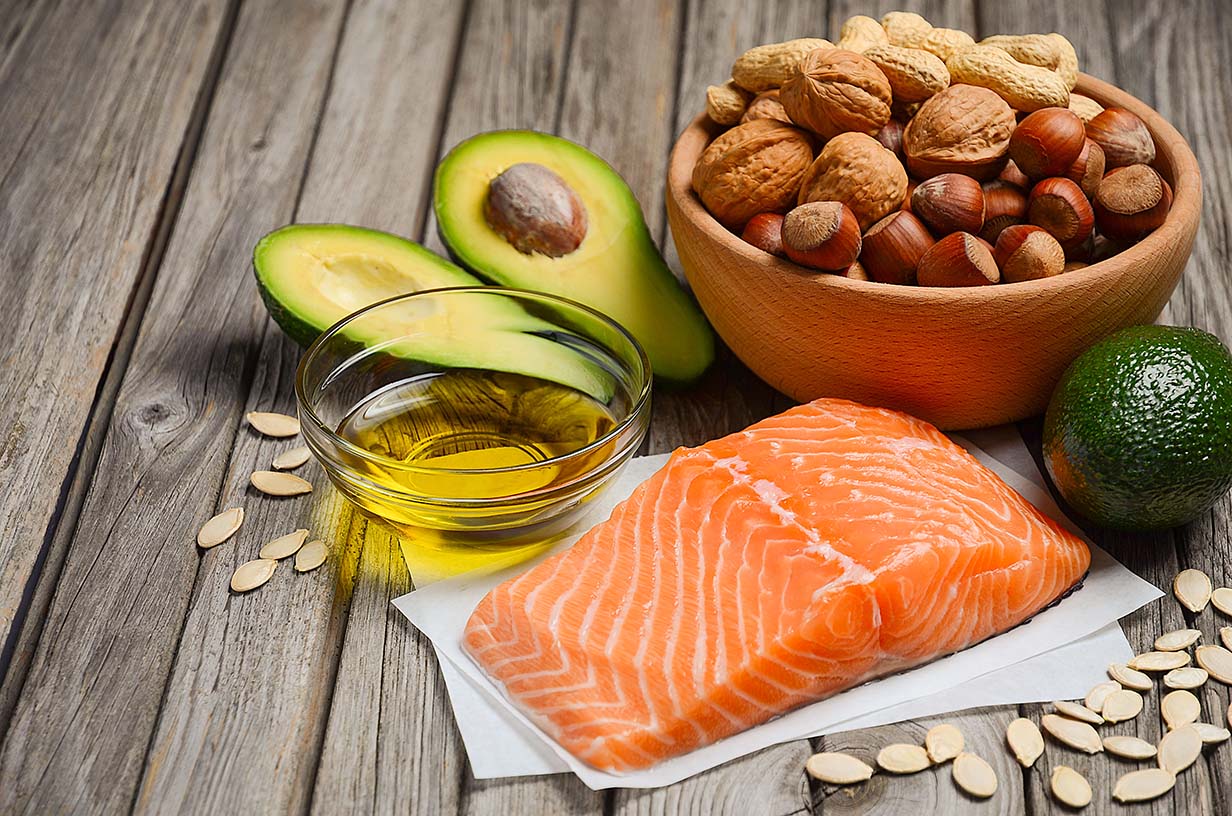
A: Healthy Fats are important for hormone production, brain development, and fat-soluble vitamins. During puberty, the recommendation for fat intake is between 25%-35% of total caloric intake. Most of these fats should come from unsaturated sources, such as avocados, olive oil, seeds, and fatty fish. Omega-3 fatty acids are especially important for healthy brain development. Try adding guacamole to a taco bowl, eating fish once a week, or adding seeds to your trail mix.
Q: Why is iron crucial during puberty, and where can teens get it?
A: Iron helps support the growth spurts and increased blood volume during puberty. It is especially important for menstruating youth who have an increased risk of developing anemia. When foods high in iron are eaten with foods with vitamin C, the iron is absorbed better by the body. Good sources are meat, fish, and poultry as well as dark leafy greens, tofu, and beans.
Q: How do calcium and vitamin D support growing teens, and what are the best sources?
A: Calcium and vitamin D are essential to build strong bones and support hormone regulation. Bone mass doubles during puberty thus the importance of calcium and vitamin D for bone health. Many teens avoid dairy products during adolescence. Good sources of calcium, in addition to low-fat dairy, are dark leafy greens, fortified plant-based milk, and almonds. Sunlight helps with vitamin D production. Try to get a few minutes of sunlight each day to fulfill vitamin D needs and get active outdoors.

Q: How can families make nutrition fun and relatable?
A: It can feel challenging to encourage teens to eat healthy meals that will support the growth and changes that are happening during puberty. To foster enthusiasm and ownership over food choices, try including teens in the planning, preparation, and making of meals. Here are some ideas:
Build-Your-Own Grain Bowls
Start with a whole grain such as quinoa, brown rice, or farro.
Add protein. Try black beans, grilled chicken, tofu, or hard-boiled eggs.
Top with veggies: try spinach, sweet potatoes, cucumbers, or tomatoes.
Drizzle with a healthy dressing such as olive oil and lemon, or add hot sauce to taste.

DIY Tacos or Wraps
Use whole-grain tortillas or lettuce wraps.
Fill with protein such as beans, lentils, tofu, or lean meat.
Add avocado, shredded veggies, and salsa for extra nutrients.

Sheet Pan Dinners
Make weeknight dinners easy by roasting everything on one pan.
Combine a protein such as tofu, chicken, or salmon.
Add colorful veggies such as broccoli, carrots, and bell peppers
Add chopped sweet potatoes.
Drizzle with olive oil and season with herbs for a balanced, nutrient-rich meal.

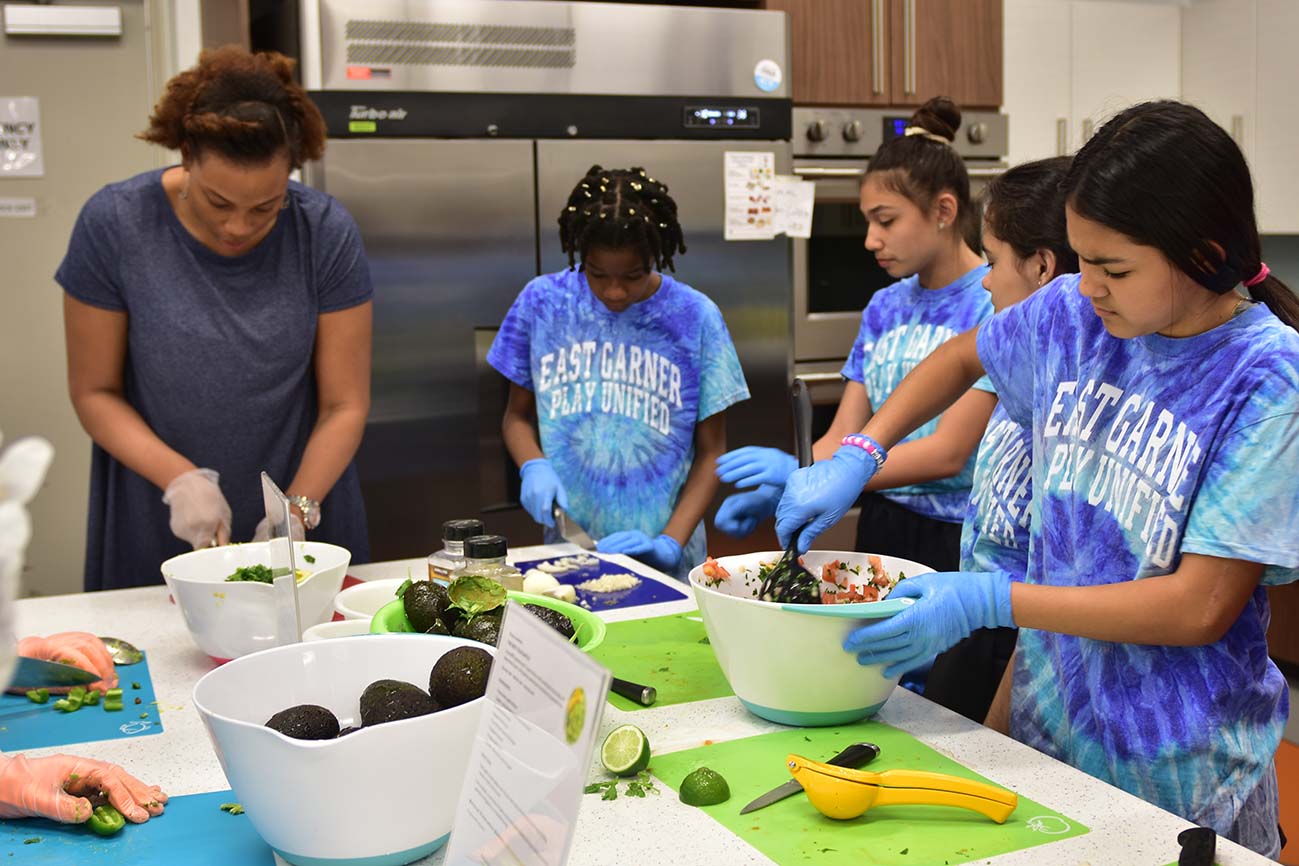
Nutrition during puberty and reproductive development sets the foundation for lifelong health. By including nutrient-rich foods and involving kids in meal planning, families can create healthy habits together. Small, intentional changes, such as adding leafy greens to a meal, swapping sugary snacks for fruit, or encouraging hydration, can make a big difference!
For more tips and resources, check out programs at the Poe Center for Health Education, where we make learning about nutrition and health fun for the whole family!
References/ Citations:
Hopkins Medicine. (n.d.). Healthy eating during adolescence. Retrieved from Healthy eating during adolescence.
National Center for Biotechnology Information. (2023). Healthy eating and nutrition during adolescence. PMC8972883. Retrieved from Healthy eating and nutrition during adolescence.
HealthyChildren.org. (n.d.). A teenager’s nutritional needs. Retrieved from A Teenager’s Nutritional Needs
Children’s Wisconsin. (n.d.). Healthy eating during adolescence. Retrieved from Healthy eating during adolescence
National Center for Biotechnology Information. (2011). Discussion supported by available data. PMC3177848. Retrieved from A Prospective Study of Diet Quality and Mental Health in Adolescents
American Heart Association. (n.d.). Dietary recommendations for healthy children. Retrieved from Dietary Recommendations for Healthy Children

Featured Program:
Mission Nutrition is an interactive and conversational program that explores the challenge of balancing food and physical activity. Activities are designed to help participants discover the importance of food labels and the barriers to healthy eating and the risk associated with over- and under-eating. Participants are also helped to understand messages in the media targeting teens, and how they affect their food choices.
Program Participants: 6th Grade, 7th Grade, 8th Grade
Program Length: 60 minutes

Featured Resource:
Remember the food pyramid? Meet MyPlate, the official symbol of the five food groups. Learn how to make MyPlate work for you.

Mission Possible! New After-School Program Aims to Serve Over 100 Middle & High School Students
Mission Possible! New After-School Program Aims to Serve Over 100 Middle & High School Students
Robin Pittman, MS
Family Life Senior Director
In accordance with our mission to educate and empower children, youth, and their families in North Carolina, the Poe Center for Health Education is excited to announce that we are currently in the process of applying for 21st Century Learning Centers (CCLC) funding.
Authorized under Title IV, Part B of the Elementary and Secondary Education Act (ESEA), the goal of the Nita M. Lowey 21st CCLC programs is to provide federal funds to establish or expand community learning centers that operate during out-of-school hours providing three specific purposes:
-
- to provide academic support,
- academic enrichment experiences,
- and family engagement opportunities.

The Poe Center has a history of providing successful 21st Century programs. From 2021-2024, the Poe Center conducted after-school programs in three high schools in the greater Raleigh area. The programs encouraged personal and professional growth for over 120 high school students and their families. With an emphasis on building life skills through a positive youth development approach, the 21st Century program also provided academic support, career and workforce exploration, CPR/First Aid certifications, field trips, and family engagement programs to students in academic need. A summer extension program was also offered at the Poe Center to help reduce learning loss.
In 2024, the Poe Center was the 2nd place recipient of the Best Practice Spotlight award for this program. The award recognizes outstanding practices involving high school students, teachers, and parents engaged in their 21st CCLC program. The submissions showcased activities emphasizing student, family, and community engagement that address the academic needs of participating students. It also demonstrated the positive outcomes and impact of the activities in supporting the goals and mission of the 21st CCLC program.

This year, the Poe Center, in partnership with Harnett County Schools and Wake County Public County Schools, aims to serve 105 students during the school year and 100 students during the summer at Harnett Central Middle School, Harnett Central High School and Southeast Raleigh Magnet High School. We look forward to this opportunity to continue our mission of empowering students and families through education and engagement
Thank you for your support as we work to bring this valuable program to even more students and communities in North Carolina.
For questions please contact Robin Pittman at [email protected]


Sleepless in North Carolina
Sleepless in Seattle North Carolina
Thomas Ray, PhD
Associate Executive Director
Please do not be alarmed – this is not a RomCom-themed blog post. However, the idea of being sleepless is not just for Seattle. According to the Centers for Disease Control’s (CDC) Behavioral Risk Factor Surveillance System, more than one-third of North Carolinians report fewer than seven hours of sleep, on average, in each 24-hour period. Only about one in five NC adolescents are getting eight hours or more of sleep on a typical school night (Youth Risk Behavior Surveillance, 2023).
So yes, that means four out of five NC adolescents are not getting enough sleep. We are sleepless here in North Carolina.

Research indicates that many challenges youth are facing in terms of mental and physical health are related to a lack of good-quality sleep.
Mental Health
Prioritizing good sleep habits can improve mental health. For example, a 2021 meta-analysis of randomized control trials published in Sleep Medicine Reviews found that improved sleep led to an improvement on composite mental health, depression, anxiety, rumination, stress, and more, with greater improvements in sleep quality leading to greater improvements in mental health.
Other studies have made connections between sleep and various mental health challenges. In other words, intentional actions to improve sleep can help improve mental health.
Brain & Heart Health
Sleep is not just good for mental health, it’s good for the brain and body too. In June of 2022, the American Heart Association added sleep to its list of “Life’s Essential 7,” renaming the list of factors that support cardiovascular health “Life’s Essential 8.”
A 2023 study associated too much sleep or too little sleep with specific neuroimaging markers in the brain that precede stroke and dementia by several years. This evidence and more shows that working on sleep health can have a positive impact on brain health and potentially reduce the risk of stroke and dementia among middle-age adults who do not have a history of stroke or dementia, as well as supporting cardiovascular health.
Physical Health
High-quality sleep is also associated with longer life. According to a 2023 study, developing and maintaining good sleep habits from adolescence onward can increase life expectancy among men by an average of 4.7 years and 2.4 years for women. According to one of the study’s authors, it’s never too early or too late to start good sleep habits. This study defined “good sleep” using five factors.
Those factors include:
- Ideal sleep duration: 7 to 8 hours per night for adults.
- Difficulty falling asleep: No more than two times per week.
- Trouble staying asleep: No more than two times per week.
- Use of medication to induce sleep: Zero times per week.
- Feeling well-rested after waking up: At least five days per week.
Improved Performance
According to a 2019 MIT study, nearly 25% of variance in academic performance could be attributed to sleep. “Better quality, longer duration, and greater consistency of sleep correlated with better grades.” In this study, earlier bedtime, earlier wake time, and a longer duration of sleep was associated with overall better academic performance.
Even more interestingly, sleeping less during the weekdays and accommodating by oversleeping on the weekends was associated with poorer academic performance. One night of cramming before the exam did not have a relationship with the academic performance; the long-term pattern of sleep behavior mattered the most. Further, multiple studies demonstrated that sleep deprivation led to slower reaction times with negative implications for both athletic performance and workplace performance.

Great question. Sleep hygiene is really important. Here are some basics to get started. Consider implementing one or more of these strategies and make them a goal to work toward.

Make a consistent sleep schedule.
Set an early bedtime and early wake time, and keep them consistent for weekdays and weekends. Set those times to get an optimal duration of 7 to 9 hours for adults and 8 to 10 hours for adolescents.
Create an ideal sleep environment.
Minimize disturbances in the sleep space and keep the space cool, dark, and quiet. As bedtime approaches, dim any lights and close all curtains.
Maintain a bedtime routine.
Select relaxing activities to engage in before bed. These will be different for everyone, but consider activities such as meditation, prayer, listening to soft music, reading a book (not on a screen), writing in a journal, doing a puzzle, or taking a warm bath or hot shower. Include teeth-brushing as a part of this routine.
Avoid studying or working in bed and maintain a boundary that bed is only for sleeping. Avoid screens and bright lights for at least 30 minutes prior to bedtime. Avoid caffeine after mid-day.
Start each day with some sunshine.
Aim to get direct sunlight early in the morning within an hour of waking.
Exercise.
Get a recommended amount of physical activity: 30 minutes per day for adults and 60 minutes per day for children and adolescents. Complete exercise at least 3 hours before bedtime.
Eat nutritiously.
Eat plenty of fruits, vegetables, and whole grains. Avoid large meals close to bedtime.
Consider setting a goal to implement one or more of the strategies listed above this year. More strategies can be added throughout the year. By improving sleep habits and quality, you will likely also improve your mental and physical well-being as well as your daily performance.
Now, go get some sleep!

Featured Program:
How do I deal with my stress? What do I say to my friends who are pressuring me to cheat? How do I get my turn on the computer when my sibling is always hogging it?
Decisions… Decisions… is designed to help kids with these every-day situations by teaching a decision making framework for dealing with stress, conflict and peer pressure. Participants will travel into their future and recognize how decisions today will help them achieve their dreams. Making difficult decisions ahead of time will help participants plan for plenty of rest, negotiating win-win solutions and take an assertive stand against peer pressure among other empowering strategies.
Program Participants: 4th Grade, 5th Grade
Program Length: 60 minutes
References/ Citations:
Cain, S. W., Silva, E. J., Chang, A.-M., Ronda, J. M., & Duffy, J. F. (2011). One night of sleep deprivation affects reaction time, but not interference or facilitation in a Stroop task. Brain and Cognition, 76(1), 37–42. https://doi.org/10.1016/j.bandc.2011.03.005
Scott, A. J., Webb, T. L., Martyn-St James, M., Rowse, G., & Weich, S. (2021). Improving Sleep Quality Leads to Better Mental health: a meta-analysis of Randomised Controlled Trials. Sleep Medicine Reviews, 60(60), 101556. https://doi.org/10.1016/j.smrv.2021.101556
Peng, J., Zhang, J., Wang, B., He, Y., Lin, Q., Fang, P., & Wu, S. (2023). The Relationship between Sleep Quality and Occupational well-being in employees: the Mediating Role of Occupational self-efficacy. Frontiers in Psychology, 14. https://doi.org/10.3389/fpsyg.2023.1071232
Newsom, R., & Singh, A. (2020, December 11). Can Sleep Deprivation Affect Reaction Time? Sleep Foundation. https://www.sleepfoundation.org/sleep-deprivation/sleep-deprivation-and-reaction-time
Skourti, E., Simos, P. G., Alexandros Zampetakis, Eirini Koutentaki, Ioannis Zaganas, Alexopoulou, C., Vgontzas, A. N., & Basta, M. (2023). Long-term associations between objective sleep quality and quantity and verbal memory performance in normal cognition and mild cognitive impairment. Frontiers in Neuroscience, 17. https://doi.org/10.3389/fnins.2023.1265016
Backman, I. (2024, January 29). Poor Sleep May Increase Markers of Poor Brain Health, New Study Finds. Medicine.yale.edu. https://medicine.yale.edu/news-article/poor-sleep-may-increase-markers-of-poor-brain-health-new-study-finds/