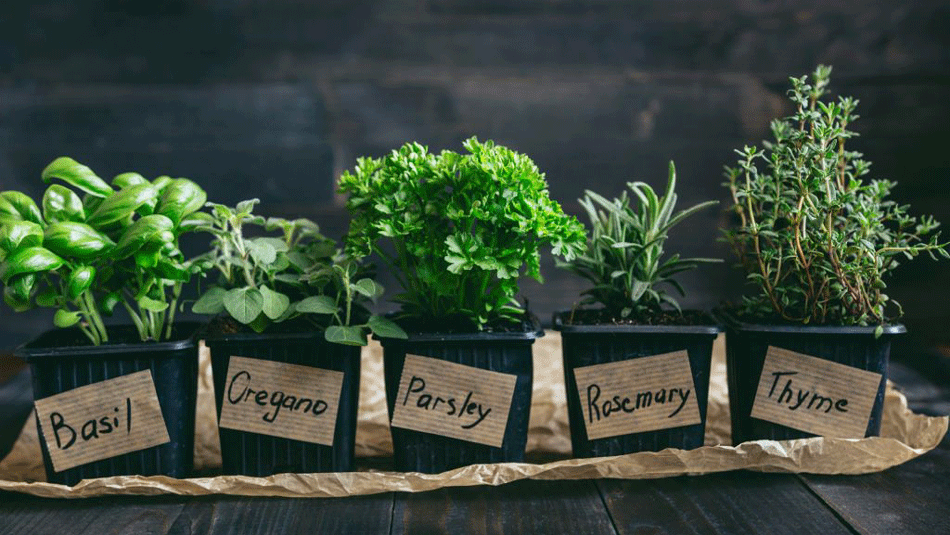
Herb Garden Basics
Growing herbs is a rewarding way to garden. They thrive indoors and outdoors, are fairly pest free, and are low maintenance. If you don’t have an herb garden, follow this link for steps to make a simple herb garden at home with the whole family.
Tips for Your Herb Garden:
- Herbs love sunlight. Put them by your sunniest window if indoors or in your sunniest location outside (often on the South-facing side of your building). Herbs prefer 6-8 hours of sunlight and 8 inches of well-drained soil.
- Cut back or prune your herbs regularly. Cut the longest stems with scissors regularly even if you don’t plan to use them right away. This will encourage the plant to grow more. Just be sure to leave at least one third of the plant intact at all times. Basil especially loves to be cut regularly! Live clippings can be put in a glass of water or in a ziplock in the fridge for a few days before adding them to a recipe.
- Water your herbs slowly each week. It is actually possible to water too much or too fast! If you water too quickly, the water can drain straight through the soil before roots can absorb enough. Herbs like for the soil to dry out some before the next watering. If you touch the soil and it is damp, wait a day or two. Water when the soil is dry to the touch.
- Feed your herbs with an organic fish or seaweed based fertilizer if they look alive but unhappy.
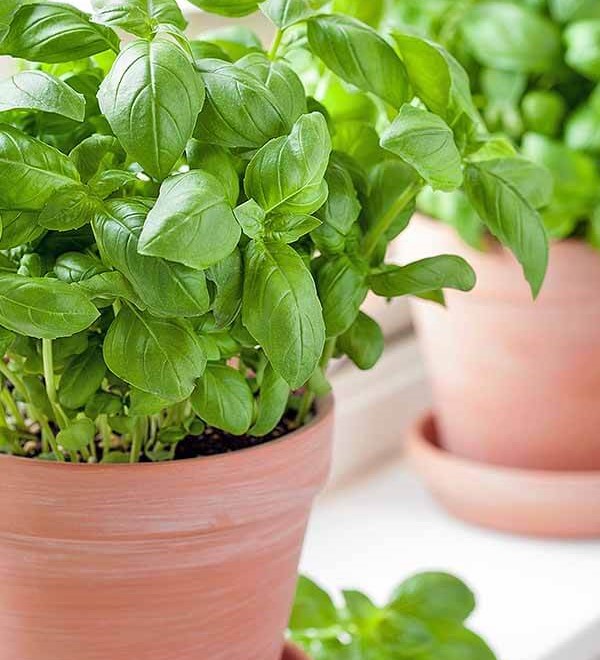
Be sure to enjoy your herbs, use them in a recipe like this Kale Pesto recipe.
Additional Resource:


Bond’s Endless Greens
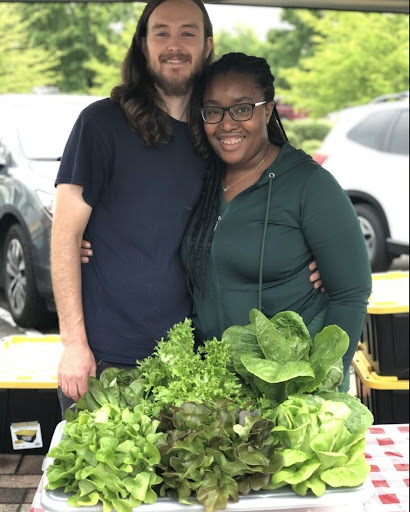
This month, The Poe Center’s Garden-to-Kitchen highlights Bond’s Endless Greens. Bond’s Endless Greens is a small family farm in Oxford, NC that uses hydroponic and traditional farming to produce fresh and delicious leafy greens, vegetables, microgreens, and herbs. We spoke to husband-wife duo, Felicia and Reuben Bond, to learn more about growing kale.
Felicia and Reuben started growing herbs in 2020 out of an indoor-home counter-top hydroponic garden system and were impressed with the quality and growth rate of the herbs. That excitement and ingenuity led Reuben to build a larger hydroponic system, growing more herbs and leafy greens. The couple began to share their produce with family and friends, who also raved about the quality and taste.
As the Covid-19 pandemic continued, the Bonds used this time to expand their custom-built hydroponics and newly built greenhouse, establishing Bond’s Endless Greens. In addition to kale, they sell varieties of lettuce, arugula, bok choy, and microgreens, such as broccoli, arugula, mustard greens, and radish.
Growing Kale
The Bonds use hydroponics to grow their favorite variety of kale, Red Russian kale. This variety of kale has purplish-red veins with flat, ragged leaves. Felicia and Reuben chose Red Russian because it is more tender and less bitter than other varieties of kale, such as Blue Dinosaur. Their customers love this variety, use it in salads, and even eat it fresh. The couple also notes that growing kale using the hydroponic technique produces consistently larger kale than traditional farming.
Harvesting and Selecting Kale

At Bond’s Endless Greens, they use the “haircut method” to harvest kale. This includes cutting right before the new growth is coming in. Just gather a bunch of leaves and cut straight across. This method is super easy and low maintenance for the kale. Reuben mentions not to worry about cutting too much because it grows back very quickly.
Favorite Kale Recipes
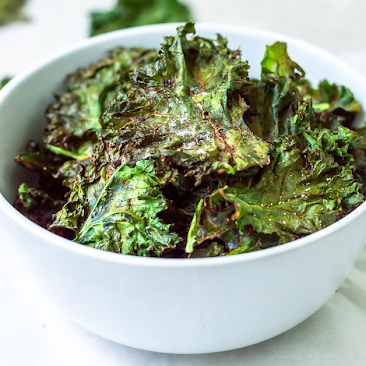
The Bonds love to add kale to a traditional southern dish: collard greens. Felicia mixes kale with collards and turnip greens, then cooks it down until the greens are tender. Their family also loves making kale chips.
Give it a try. Break up kale into small pieces and season with salt, pepper, and garlic powder. Bake in the oven at 275°F until crunchy.
Availability of Greens
The Bonds anticipate reopening in Spring 2023 and will be at several Raleigh-Durham farmer markets. Contact Felicia and Reuben on their website, www.bondsendlessgreens.com/, or by email, [email protected] for more information on when their greens will be available!

Finding Balance: Supporting Young Adults During the Holiday Season
Finding Balance: Supporting Young Adults During the Holiday Season
Jessica Fowler, CADC, CPS
MindWELL Associate Director
The holiday season is often a time of joy and celebration, but it can also present challenges for young adults returning home from school or work. Navigating family dynamics, social pressures, and expectations can have an impact on their mental wellness.
SAMHSA’s 8 Dimensions of Wellness provides a holistic framework to support their well-being during this festive time—and it can be beneficial year-round, too.
Emotional Wellness
When young adults return home, they may experience mixed feelings of both excitement and anxiety. Creating an environment where they feel comfortable expressing their emotions is important. Encourage creative outlets such as art, music, or journaling to help them process their feelings. It is important not to be too pushy – instead, encourage them to share and have open conversations about feelings.

Social Wellness
Building and maintaining healthy relationships is important throughout life. During the holiday, plan family activities that can help strengthen bonds such as outings together or board game nights. Encourage young adults to stay in touch with friends, even if they’re not local. Being away from friends, peer groups, or communities may cause young people to experience loneliness, so remind them to connect through social media, phone calls, or text messages. Give them opportunities to spend time with local friends and family but allow them to also set personal boundaries: let them know they are not obligated to attend every gathering while home. Allow them time to rest and reset.

Occupational Wellness
The holidays can also bring increased career-related stress for young adults, especially those who are searching for work or adjusting to a new role. Encourage them to set aside time for job-related tasks and activities while leaving room for self-care and relaxation. Open conversations about feelings around work or job hunting can also provide support and guidance, which decreases stress and anxiety.
Intellectual Wellness
Participating in activities that work the brain is important. Connect and work the brain by organizing family activities such as trivia nights, puzzles, crossword tournaments, book chats, or movie marathons. Exploring new interests or hobbies with our young adults can help foster lifelong learning, create cherished memories, and even establish new traditions.
Spiritual Wellness
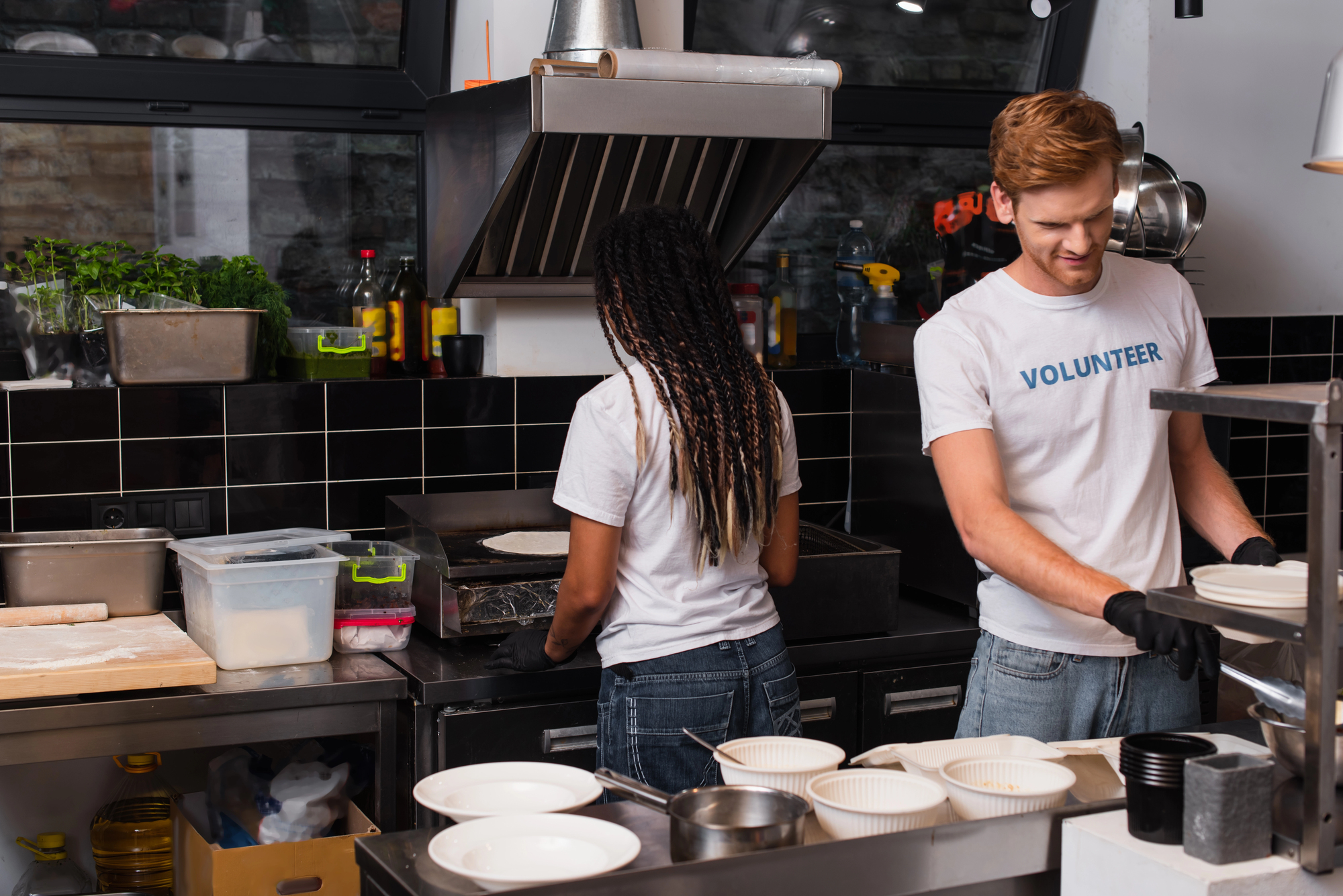
The holiday season can also be a time to reflect on personal beliefs and values. Invite young adults to participate in family traditions that resonate with them, but leave room for their own personal development and journey. This balance can maintain connections between family and traditions while allowing for individual growth. Find opportunities to volunteer during the holiday season – this helps young people develop a stronger sense of purpose and strengthen spiritual wellness. Volunteering is also a way for families to spend time together while giving back to their community.
Physical Wellness
Maintaining a healthy lifestyle can be challenging for some during the holiday season. Support young adults by encouraging them to exercise regularly and make healthy, nutritious meal choices. Try sharing resources like My Plate for Young Adults, which shares user-friendly, affordable recipes, cooking basics, and healthy tips geared towards young adults. Remember to maintain balance – every meal won’t be perfectly nutritious but focus on making healthier choices and enjoying time gathering and celebrating. Try going on family walks, doing outdoor activities, or cooking meals and desserts together. This can have a positive impact on mood and energy levels for the whole family.
Environmental Wellness
Creating a calming home environment is important for mental wellness, especially during a season full of hustle and bustle. Keeping shared spaces organized and peaceful can make a big impact on everyone, including young people. Create a sense of belonging and support well-being by involving young adults in home projects such as decorating, baking, or raking leaves. Encourage them to spend time outdoors by enjoying a winter walk or engaging in other outdoor activities. This gives them a chance to soak up some vitamin D, strengthen their relationship to nature, and reduce stress.

Financial Wellness
The holidays can often lead to financial stress for some, especially young adults starting out their independent lives. Try having a conversation about budgeting. This can help ease this stress that some young people may experience during holiday times. Encourage thoughtful and sentimental gift-giving that focuses on experiences rather than material items that can come with a big price tag. Remind them that sentimental gifting fosters meaningful connections, makes cherished memories, and reduces the pressure of holiday spending.
By incorporating the 8 Dimensions of Wellness into your family routine during the holidays, caregivers can create an atmosphere that prioritizes young adults’ mental wellness. Imagine it as a festive recipe for connection: blend open conversations, engaging family activities, relaxing downtime, and a sprinkle of respect for everyone’s unique needs. This approach not only puts mental wellness at the forefront but also creates a joyful opportunity to celebrate the season together!
Featured Program: Dimensions of Wellness
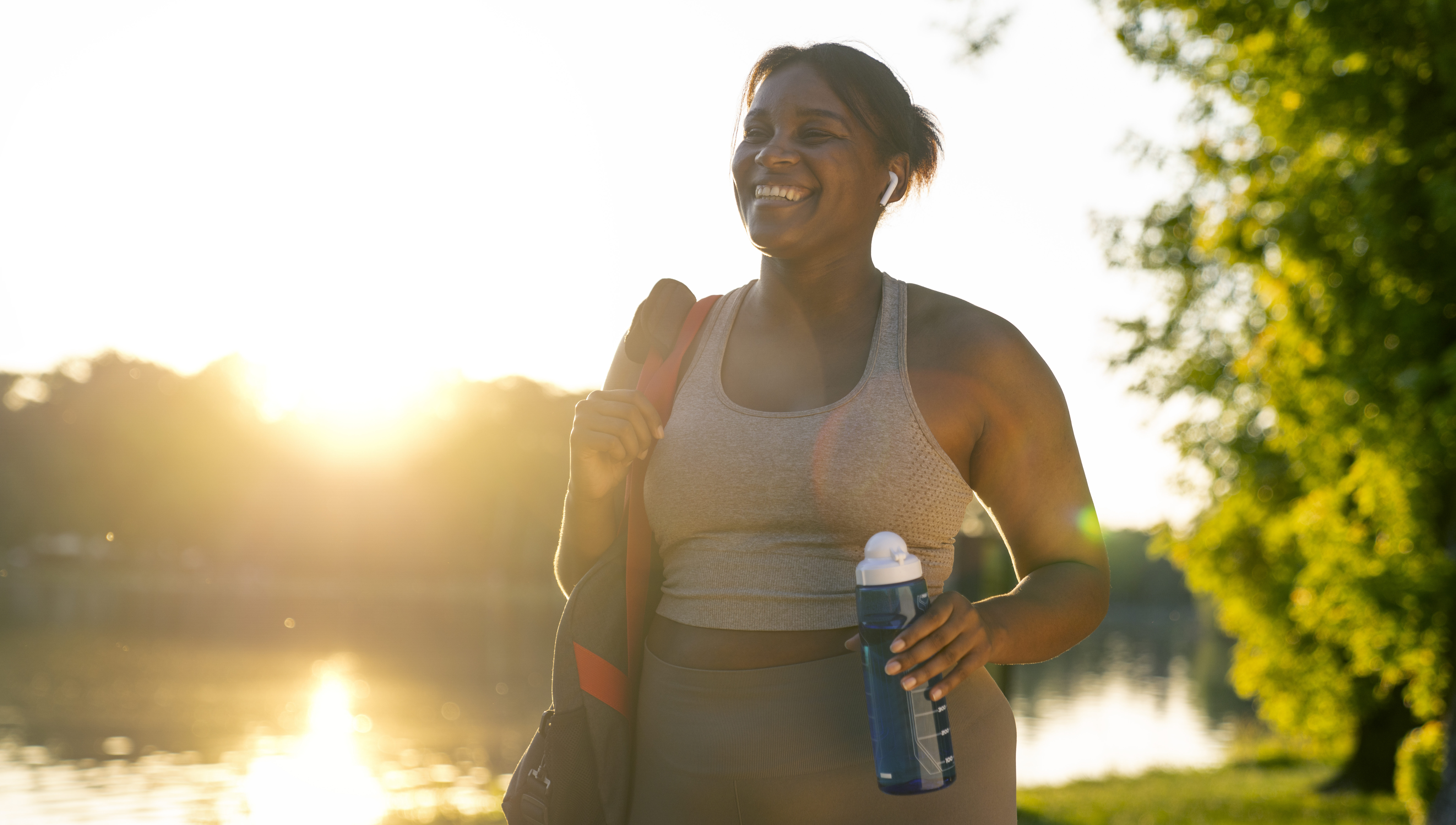
As adults, we spend a lot of time caring for our children or others, and sometimes we forget our own self-care. Dimensions of Wellness will empower participants to explore the positives and negatives of stress and the effects ongoing stress can have on their mental, physical, and emotional health.
Participants will have an opportunity to explore self-care strategies and develop a plan to develop a wellness routine. During the discussion, we will also cover how stress affects youth, including tips on increasing mental wellness, promoting coping strategies, and building resilience.
Program Participants: Adults
Program Length: 90 minutes
References/ Citations:
Ahriza. (2021, December 12). notMYkid. NotMYkid® – Educate Inspire Grow. https://notmykid.org/holiday-self-care-and-the-eight-dimensions-of-wellness/
Highlighting the 8 Dimensions of Wellness. (2022, August 1). Compass Health. https://www.compasshealth.org/highlighting-the-8-dimensions-of-wellness/
SAMHSA. (2016). CREATING A HEALTHIER LIFE A STEP-BY-STEP GUIDE TO WELLNESS. https://store.samhsa.gov/sites/default/files/sma16-4958.pdf
SAMHSA. “The Eight Dimensions of Wellness.” Www.youtube.com, 1 July 2016, www.youtube.com/watch?v=tDzQdRvLAfM.
If you know a young person that is experiencing a mental health challenge or crisis remind them there is hope and support out there. 988 is a free confidential line that people can call or text when they need someone to listen.

Si un joven está pasando por una crisis, recuérdale que hay esperanza. El 988 está aquí para ayudar hoy y siempre.


The Great American Vapeout 2024: A Youth Perspective
The Great American Smoke Vapeout 2024: A Youth Perspective
Tamika M. Gilchrist, MPH
Substance Use Prevention Assistant Director
Poe Center for Health Education
Kieran Patel, 12th Grade Student
Poe Center Youth Empowerment Leader
Poe Center for Health Education
Did you know that tobacco use among middle and high school students in North Carolina is alarming? Among current tobacco users in North Carolina, 57,300 are high school students and 18,600 are middle school students. E-cigarettes continue to be the #1 tobacco product used by youth and the use of nicotine pouches is on the rise.
Every year, on the third Thursday of November, the American Cancer Society hosts the Great American Smokeout to support those who want to quit. According to the 2022 North Carolina Youth Tobacco Survey (2022 NC YTS), an estimated 43,800 high school students and 12,500 middle school students in NC are current e-cigarette users. These numbers are startling and highlight a growing dependency on tobacco among youth.
Electronic nicotine delivery devices, also known as e-cigarettes, e-cigs, vapes, and many other names, have grown in popularity over the last decade. There are now over 460 different types of e-cigarette brands, ranging from medium-sized and large rechargeable devices to disposable ones. All of these devices deliver the same harmful and addictive chemical: nicotine. Nicotine, found in tobacco products like cigarettes, cigars, and e-cigarettes, is highly addictive, which makes quitting difficult.
There are many misconceptions about vaping. For example, some believe that the “vapor” produced by e-cigarettes is simply water vapor. In reality, e-cigarettes produce a heated aerosol cloud that contains nicotine, flavorings, and ultra-fine particles that are inhaled into the lungs.
So, What Are Youth Saying About Vaping?
We sat down with Kieran Patel, a high school senior and Poe Center Youth Empowerment Leader, to hear what she had to say about vaping and its impact on her peers.
Question: How big of a problem is vaping among teens?
Answer: In my opinion, vaping is a big problem because of the impact it has on a teenager’s brain impacting their ability to learn. From the moment anyone, especially youth, tries a vape, their body is addicted. The addiction factor makes it difficult to quit and can affect someone for the rest of their life without the proper help and support.
Q: Why do you think vaping is so popular, especially among your age group?
A: I have seen vaping become popular due to the fruity flavors like cotton candy and enticing colors that make it seem like it is fun and harmless. I also think that peer pressure plays a factor in the popularity of vaping. Once someone is exposed to nicotine, their brain starts craving it, which makes it even more addictive.
Q: Can you talk about your efforts to combat vaping?
A: I joined the Poe Center’s Youth Empowerment team to find a way to make a difference among my peers. I’m passionate about reducing vaping because it provides no benefits to society and harms individual health.
Q: What are your concerns about the long-term effects of vaping on your peers?
A: My biggest concern is the long-term damage to both the lungs and the brain. Vaping damages the airways, which can lead to chronic lung conditions. There are also cardiovascular risks, such as increased blood pressure, which can lead to heart attacks and strokes. In addition to the physical health issues, vaping can contribute to anxiety and depression because of the impact nicotine has on brain development.
Initiative to Combat Vaping: Escape the Vape Campaign

Escape the Vape is a youth-led campaign designed to raise awareness about the dangers of vaping and to provide cessation resources to those who are already vaping. The campaign includes a week of activities, information, and initiatives aimed at helping students be vape-free.
A Wake County Poe Youth Empowerment leader first learned about the campaign at a national conference with youth empowerment leaders from all around the country. Eager to replicate the initiative, the youth leader pitched the idea to their high school administrators. After receiving approval, students piloted the campaign in two Wake County schools. The results were encouraging with over 100 direct clicks to cessation resources, increased knowledge about vaping and its dangers, and signatures from their peers pledging to be vape-free.
Thinking about quitting nicotine?
Finding a path to quitting can be challenging, but there are many resources available to help ease the process. If you’re asking, “Can I really quit vaping?” or, “Will my health improve if I quit?” The answer is yes: quitting nicotine use can lead to significant health improvements. Over time, you’ll notice better lung function, improved blood circulation, healthier heart rate, increased energy, and much more.
Tips to help you quit vaping, smoking, or using nicotine pouches:
-
- Pick a “Quit Day”
Mark it on your calendar and make it official! Tell your friends and family so they can support you through the process. - Remove Triggers
Get rid of anything that makes you want to vape, such as vapes, vape accessories, cigarettes, lighters, and e-juice. Clean out your space and make it a trigger-free zone. - Find Healthier Alternatives
When the urge to vape hits, distract yourself with something healthy. Go for a walk, drink water, or get active. Avoid situations where you’re tempted, like hanging out where you know people are smoking or vaping. - Stock Up on Oral Substitutes
Keep chewable things such as gum, carrot sticks, hard candy, cinnamon sticks, or even straws on hand. These can help with cravings and keep your mouth busy. - Change Up Your Routine
If you always vape at certain times or places, switch up your general routine. Take a different route to school or work, or swap coffee for tea. Breaking any routine helps break habits such as vaping. - Hydrate, Hydrate, Hydrate!
Drinking water is important. It can help with cravings and ease nicotine withdrawal. Plus, staying hydrated helps you feel better overall.
- Pick a “Quit Day”
Quitting tobacco use isn’t easy, but help is available. If you or someone you know is seeking resources to quit smoking or vaping, visit www.QuitLineNC.com or call 1-800-Quit-Now.
Additional resources include Live Vape Free, a North Carolina program offering 24/7 text support, engaging lessons about vaping, and powerful resources.
To get started, text VAPEFREENC to 88709. Additional support can also be found at the Duke Smoking and Tobacco Cessation Programs and the UNC Tobacco Use Treatment Program.

Interested in learning more about Escape the Vape and other Poe Youth Empowerment Team initiatives?
Contact Tamika Gilchrist at [email protected].

Featured Program: Vaping 101
Vaping 101 educates participants on the latest research about the addictive nature of nicotine and how it impacts their growing brain and body. This program covers important resources and skills to empower healthy decision making. Participants will be engaged in a group game format, videos and discussion.
Program Participants: Middle and High School Students
Program Length: 60 minutes

Period Poverty: How Living with Limited Access to Menstrual Products Affects Our Community
Period Poverty: How Living with Limited Access to Menstrual Products Affects Our Community
By Heather Schnegelberger, CFLE
Health Educator
Poe Center for Health Education
At the Poe Center, our Family Life team works with youth and their families to develop confidence through puberty changes. There is so much to experience! One thing that may be uncertain for some is how to manage a monthly period when products are not available. This is called “period poverty.”

What is Period Poverty?
Period poverty is when individuals do not have access to “safe and hygienic menstrual products during monthly periods,” or the necessary basic sanitation services or facilities. Period poverty can also mean a lack of education regarding menstruation. (National Library of Medicine, 2023).
In 2018, a study commissioned by U by Kotex® showed that one in four women surveyed struggled to purchase period products. One in four! The study also revealed that “people of color, low-income girls and women, and people living in rural areas all disproportionately experience period poverty.” (U by Kotex, 2018)

How period poverty affects our communities
Imagine for a minute what period poverty might look like in daily life. Think of a middle schooler having to stay home from school during their cycle, or a high schooler participating in school activities with little to no period support. Picture an adult who may wear a period product longer than recommended so they can work, putting them at risk for bacterial infections and other dangerous conditions.
Diane Ferrari, Director of NC Regional JustServe, a humanitarian organization, points out that lack of access to period products has a domino effect on young girls’ health and education. Ferrari says, “Lacking affordability for these basic necessities, school districts report that middle and high school students opt to stay home from school during their cycles. As absences accrue, girls become further and further behind in their learning, ultimately negatively impacting grades and graduation rates.”
Featured Resources
- No Woman No Girl is working to assist in the collection of period products for our community.
- “The No Woman, No Girl Initiative was birthed out of the need to target minority women and girls who disproportionately fall marginalized to a lack of accessibility and affordability in what they need to survive.”
- The Diaper Bank of NC has a vision that, “every family in North Carolina will have access to basic necessities to support their dignity, health, and quality of life.”
- Period Kits North Carolina, Inc. (periodkitsnc.org)
- AVL Period Pantry (ashevilleperiodpantry.com)
- www.Allianceforperiodsupplies.org
- Check with local schools and health departments for access to period supplies.
What the Poe Center does to educate on the dangers of period poverty
At the Poe Center, we have a parent/child program called Girl Talk for Mom and Me. We assist trusted adults in teaching their youth about the changes of puberty and menstruation. We educate on how to use menstrual products. It feels good to see the “lightbulb” moments when a youth understands how these tools can help them in the future, or to hear a parent offering support.

Girl Talk teaches that wearing pads and tampons for longer than the recommended time can be dangerous. Bacteria thrive in conditions that are moist, dark, and warm. Wearing pads and tampons for too long may increase the chance of bacteria growth, which is not healthy for our bodies.
Ferrari adds, “…menstrual supplies such as tampons and pads are not covered under SNAP or other food stamp programs designed to support the most financially vulnerable.”
Note: Programs such as SNAP cover nutrition-related items only. Other resources are needed to cover the cost of hygiene items. In a country where approximately half of the population is female, period products are a necessity and there needs to be a way to keep them affordable for all.
How the state of North Carolina has helped
The state legislature agrees: it has made some efforts to help make period products available. As of July 2022, North Carolina established the Feminine Hygiene Products Grant Program to provide public schools with grants for providing period products.
Ferrari predicts, “Access to period products would allow girls to remain in school, stay current with their studies, avoid embarrassment among peers and maintain proper health.”
However, according to the Alliance for Period Supplies, assistance with period products and legislation varies widely between states. Some states have required that products be available in schools, while other states have bills that have resulted in unfunded mandates. Some states focus on elementary and middle schools, while others focus on universities. (allianceforperiodsupplies.org)
Who else is helping?
Community members are responding to the need. In 2021, two Green Hope High School students in Cary, N.C., started an initiative called, “The Period Project” to help students access period products. Through donations, they provide, “free period product dispensers in every girls bathroom so that they are easily accessible. All dispensers are constantly restocked by our amazing 120 ambassadors and ready to be used.” (periodprojectnc.org)

Teyona Gorham, founder of The Little Black Bag, Inc., uses her background in Public Health and Health Sciences to advocate for women. She, along with her board, have a mission to bring awareness and provide education about period poverty, while offering menstrual hygiene resources and words of encouragement to those in need. Gorham’s work stems from her personal experience with period poverty.
She shares, “As a college student, I had just lost my part-time job and found myself with limited funds. I was faced with a hard decision—choosing between my preferred menstrual products or a cheaper, less comfortable option…That moment sparked something in me. I knew that if I was struggling, countless other women must be facing similar challenges.” (www.thelittleblackbaginc.com)
Find additional community organizations aimed at relieving period poverty following this article.
How can we all help?
We can start by thinking of our life as a growing circle. Our circle starts with ourselves and our household. What are our needs? Can we meet them? Do we need to reach out for help?
If our inner circle is good, we may consider our next sphere of influence: our neighborhood, school, church, or work. Do we have the means to donate to these places? Our next circle would be our community or state as a whole. Can we give our time, talents or resources? Can we create a period product drive to collect items and donate them to an already established school or organization?

Natural disasters and their effects on period poverty
We have seen devastation in our state recently. Our hearts go out to those who have suffered due to the hurricanes, tropical storms, and tornadoes. We know there are many in need. Access to period products is limited in these situations.
For those interested in helping to donate period products, we have listed some resources.
Featured Program: Girl Talk for Mom & Me
Girl Talk for Mom and & Me addresses the timely topic of adolescent growth and development and the physical, social and emotional changes that girls experience during puberty. 3-D exhibits, hands-on activities, and candid discussions help moms and daughters explore a range of topics from the workings of the reproductive system to the menstrual cycle to feminine hygiene protection and more.
Program Participants: 4th Grade, 5th Grade, 6th Grade, 7th Grade
Program Length: 2 hours
References:
Jaafar, H., Ismail, S.Y., and Azzeri, A. (2023, May 16.). Period Poverty: A Neglected Public Health Issue. National Library of Medicine. Period Poverty: A Neglected Public Health Issue – PMC (nih.gov)
Gaines, J. (2018). What is Period Poverty? U by Kotex. What is Period Poverty? | U By Kotex® US
Korhonen, V. (2024, Aug. 20). Resident population of the United States by sex and age as of July 1, 2023. Statista. Population of the U.S. by sex and age 2023 | Statista
SESSION LAW 2022-74 HOUSE BILL 103. (2022, July). General Assembly of North Carolina. Session 2021. H103v5.pdf (ncleg.gov)
(2024, October 10). Alliance for Period Supplies. Period Poverty – Alliance for Period Supplies
Period Project North Carolina. Our Story — Period Project NC
The Little Black Bag. About | The Little Black Bag (thelittleblackbaginc.com)