Mission Possible! New After-School Program Aims to Serve Over 100 Middle & High School Students
Mission Possible! New After-School Program Aims to Serve Over 100 Middle & High School Students
Robin Pittman, MS
Family Life Senior Director
In accordance with our mission to educate and empower children, youth, and their families in North Carolina, the Poe Center for Health Education is excited to announce that we are currently in the process of applying for 21st Century Learning Centers (CCLC) funding.
Authorized under Title IV, Part B of the Elementary and Secondary Education Act (ESEA), the goal of the Nita M. Lowey 21st CCLC programs is to provide federal funds to establish or expand community learning centers that operate during out-of-school hours providing three specific purposes:
-
- to provide academic support,
- academic enrichment experiences,
- and family engagement opportunities.
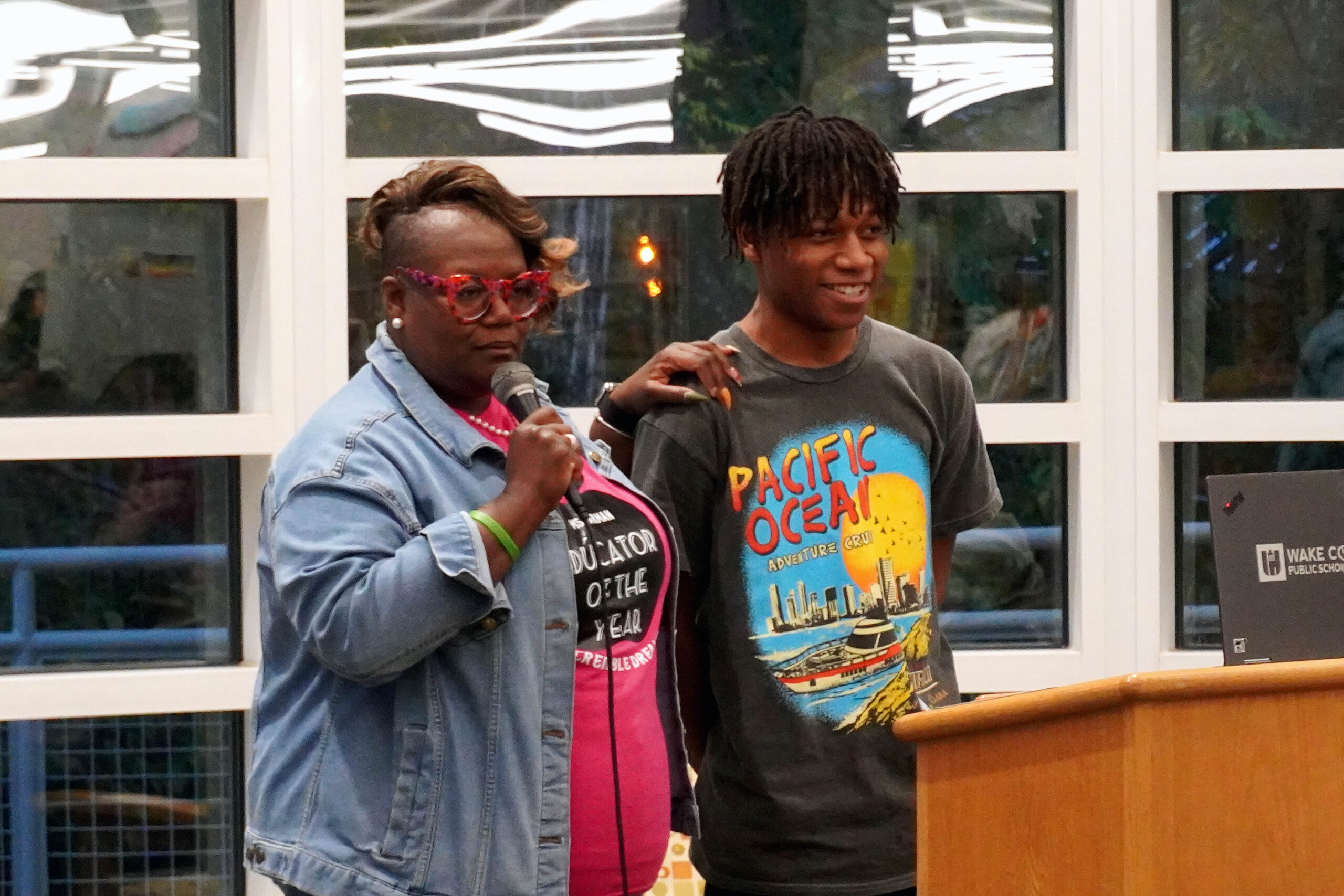
The Poe Center has a history of providing successful 21st Century programs. From 2021-2024, the Poe Center conducted after-school programs in three high schools in the greater Raleigh area. The programs encouraged personal and professional growth for over 120 high school students and their families. With an emphasis on building life skills through a positive youth development approach, the 21st Century program also provided academic support, career and workforce exploration, CPR/First Aid certifications, field trips, and family engagement programs to students in academic need. A summer extension program was also offered at the Poe Center to help reduce learning loss.
In 2024, the Poe Center was the 2nd place recipient of the Best Practice Spotlight award for this program. The award recognizes outstanding practices involving high school students, teachers, and parents engaged in their 21st CCLC program. The submissions showcased activities emphasizing student, family, and community engagement that address the academic needs of participating students. It also demonstrated the positive outcomes and impact of the activities in supporting the goals and mission of the 21st CCLC program.

This year, the Poe Center, in partnership with Harnett County Schools and Wake County Public County Schools, aims to serve 105 students during the school year and 100 students during the summer at Harnett Central Middle School, Harnett Central High School and Southeast Raleigh Magnet High School. We look forward to this opportunity to continue our mission of empowering students and families through education and engagement
Thank you for your support as we work to bring this valuable program to even more students and communities in North Carolina.
For questions please contact Robin Pittman at r.pittman@poehealth.org



Sleepless in North Carolina
Sleepless in Seattle North Carolina
Thomas Ray, PhD
Associate Executive Director
Please do not be alarmed – this is not a RomCom-themed blog post. However, the idea of being sleepless is not just for Seattle. According to the Centers for Disease Control’s (CDC) Behavioral Risk Factor Surveillance System, more than one-third of North Carolinians report fewer than seven hours of sleep, on average, in each 24-hour period. Only about one in five NC adolescents are getting eight hours or more of sleep on a typical school night (Youth Risk Behavior Surveillance, 2023).
So yes, that means four out of five NC adolescents are not getting enough sleep. We are sleepless here in North Carolina.
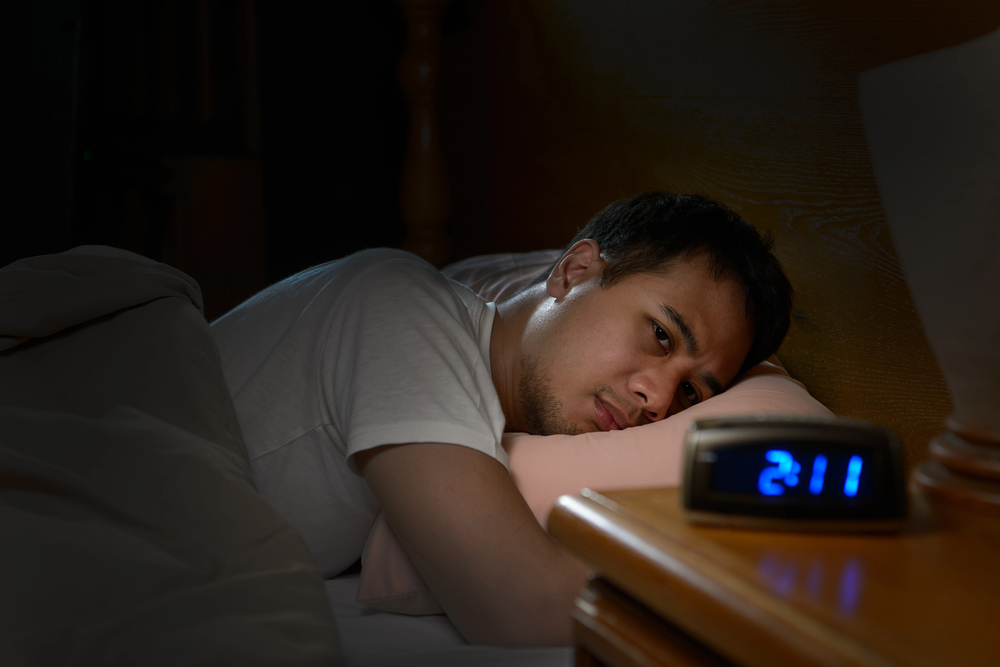
Research indicates that many challenges youth are facing in terms of mental and physical health are related to a lack of good-quality sleep.
Mental Health
Prioritizing good sleep habits can improve mental health. For example, a 2021 meta-analysis of randomized control trials published in Sleep Medicine Reviews found that improved sleep led to an improvement on composite mental health, depression, anxiety, rumination, stress, and more, with greater improvements in sleep quality leading to greater improvements in mental health.
Other studies have made connections between sleep and various mental health challenges. In other words, intentional actions to improve sleep can help improve mental health.
Brain & Heart Health
Sleep is not just good for mental health, it’s good for the brain and body too. In June of 2022, the American Heart Association added sleep to its list of “Life’s Essential 7,” renaming the list of factors that support cardiovascular health “Life’s Essential 8.”
A 2023 study associated too much sleep or too little sleep with specific neuroimaging markers in the brain that precede stroke and dementia by several years. This evidence and more shows that working on sleep health can have a positive impact on brain health and potentially reduce the risk of stroke and dementia among middle-age adults who do not have a history of stroke or dementia, as well as supporting cardiovascular health.
Physical Health
High-quality sleep is also associated with longer life. According to a 2023 study, developing and maintaining good sleep habits from adolescence onward can increase life expectancy among men by an average of 4.7 years and 2.4 years for women. According to one of the study’s authors, it’s never too early or too late to start good sleep habits. This study defined “good sleep” using five factors.
Those factors include:
- Ideal sleep duration: 7 to 8 hours per night for adults.
- Difficulty falling asleep: No more than two times per week.
- Trouble staying asleep: No more than two times per week.
- Use of medication to induce sleep: Zero times per week.
- Feeling well-rested after waking up: At least five days per week.
Improved Performance
According to a 2019 MIT study, nearly 25% of variance in academic performance could be attributed to sleep. “Better quality, longer duration, and greater consistency of sleep correlated with better grades.” In this study, earlier bedtime, earlier wake time, and a longer duration of sleep was associated with overall better academic performance.
Even more interestingly, sleeping less during the weekdays and accommodating by oversleeping on the weekends was associated with poorer academic performance. One night of cramming before the exam did not have a relationship with the academic performance; the long-term pattern of sleep behavior mattered the most. Further, multiple studies demonstrated that sleep deprivation led to slower reaction times with negative implications for both athletic performance and workplace performance.

Great question. Sleep hygiene is really important. Here are some basics to get started. Consider implementing one or more of these strategies and make them a goal to work toward.

Make a consistent sleep schedule.
Set an early bedtime and early wake time, and keep them consistent for weekdays and weekends. Set those times to get an optimal duration of 7 to 9 hours for adults and 8 to 10 hours for adolescents.
Create an ideal sleep environment.
Minimize disturbances in the sleep space and keep the space cool, dark, and quiet. As bedtime approaches, dim any lights and close all curtains.
Maintain a bedtime routine.
Select relaxing activities to engage in before bed. These will be different for everyone, but consider activities such as meditation, prayer, listening to soft music, reading a book (not on a screen), writing in a journal, doing a puzzle, or taking a warm bath or hot shower. Include teeth-brushing as a part of this routine.
Avoid studying or working in bed and maintain a boundary that bed is only for sleeping. Avoid screens and bright lights for at least 30 minutes prior to bedtime. Avoid caffeine after mid-day.
Start each day with some sunshine.
Aim to get direct sunlight early in the morning within an hour of waking.
Exercise.
Get a recommended amount of physical activity: 30 minutes per day for adults and 60 minutes per day for children and adolescents. Complete exercise at least 3 hours before bedtime.
Eat nutritiously.
Eat plenty of fruits, vegetables, and whole grains. Avoid large meals close to bedtime.
Consider setting a goal to implement one or more of the strategies listed above this year. More strategies can be added throughout the year. By improving sleep habits and quality, you will likely also improve your mental and physical well-being as well as your daily performance.
Now, go get some sleep!

Featured Program:
How do I deal with my stress? What do I say to my friends who are pressuring me to cheat? How do I get my turn on the computer when my sibling is always hogging it?
Decisions… Decisions… is designed to help kids with these every-day situations by teaching a decision making framework for dealing with stress, conflict and peer pressure. Participants will travel into their future and recognize how decisions today will help them achieve their dreams. Making difficult decisions ahead of time will help participants plan for plenty of rest, negotiating win-win solutions and take an assertive stand against peer pressure among other empowering strategies.
Program Participants: 4th Grade, 5th Grade
Program Length: 60 minutes
References/ Citations:
Cain, S. W., Silva, E. J., Chang, A.-M., Ronda, J. M., & Duffy, J. F. (2011). One night of sleep deprivation affects reaction time, but not interference or facilitation in a Stroop task. Brain and Cognition, 76(1), 37–42. https://doi.org/10.1016/j.bandc.2011.03.005
Scott, A. J., Webb, T. L., Martyn-St James, M., Rowse, G., & Weich, S. (2021). Improving Sleep Quality Leads to Better Mental health: a meta-analysis of Randomised Controlled Trials. Sleep Medicine Reviews, 60(60), 101556. https://doi.org/10.1016/j.smrv.2021.101556
Peng, J., Zhang, J., Wang, B., He, Y., Lin, Q., Fang, P., & Wu, S. (2023). The Relationship between Sleep Quality and Occupational well-being in employees: the Mediating Role of Occupational self-efficacy. Frontiers in Psychology, 14. https://doi.org/10.3389/fpsyg.2023.1071232
Newsom, R., & Singh, A. (2020, December 11). Can Sleep Deprivation Affect Reaction Time? Sleep Foundation. https://www.sleepfoundation.org/sleep-deprivation/sleep-deprivation-and-reaction-time
Skourti, E., Simos, P. G., Alexandros Zampetakis, Eirini Koutentaki, Ioannis Zaganas, Alexopoulou, C., Vgontzas, A. N., & Basta, M. (2023). Long-term associations between objective sleep quality and quantity and verbal memory performance in normal cognition and mild cognitive impairment. Frontiers in Neuroscience, 17. https://doi.org/10.3389/fnins.2023.1265016
Backman, I. (2024, January 29). Poor Sleep May Increase Markers of Poor Brain Health, New Study Finds. Medicine.yale.edu. https://medicine.yale.edu/news-article/poor-sleep-may-increase-markers-of-poor-brain-health-new-study-finds/

Herb Garden Basics
Growing herbs is a rewarding way to garden. They thrive indoors and outdoors, are fairly pest free, and are low maintenance. If you don’t have an herb garden, follow this link for steps to make a simple herb garden at home with the whole family.
Tips for Your Herb Garden:
- Herbs love sunlight. Put them by your sunniest window if indoors or in your sunniest location outside (often on the South-facing side of your building). Herbs prefer 6-8 hours of sunlight and 8 inches of well-drained soil.
- Cut back or prune your herbs regularly. Cut the longest stems with scissors regularly even if you don’t plan to use them right away. This will encourage the plant to grow more. Just be sure to leave at least one third of the plant intact at all times. Basil especially loves to be cut regularly! Live clippings can be put in a glass of water or in a ziplock in the fridge for a few days before adding them to a recipe.
- Water your herbs slowly each week. It is actually possible to water too much or too fast! If you water too quickly, the water can drain straight through the soil before roots can absorb enough. Herbs like for the soil to dry out some before the next watering. If you touch the soil and it is damp, wait a day or two. Water when the soil is dry to the touch.
- Feed your herbs with an organic fish or seaweed based fertilizer if they look alive but unhappy.

Be sure to enjoy your herbs, use them in a recipe like this Kale Pesto recipe.
Additional Resource:

Bond’s Endless Greens
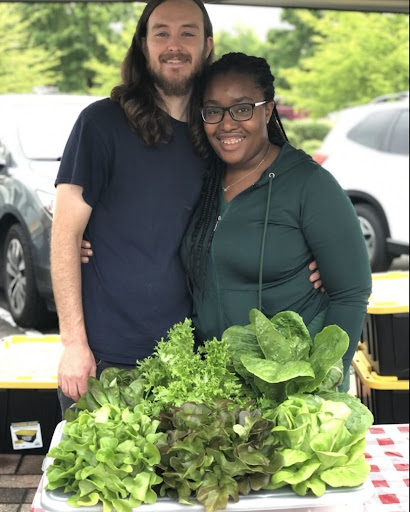
This month, The Poe Center’s Garden-to-Kitchen highlights Bond’s Endless Greens. Bond’s Endless Greens is a small family farm in Oxford, NC that uses hydroponic and traditional farming to produce fresh and delicious leafy greens, vegetables, microgreens, and herbs. We spoke to husband-wife duo, Felicia and Reuben Bond, to learn more about growing kale.
Felicia and Reuben started growing herbs in 2020 out of an indoor-home counter-top hydroponic garden system and were impressed with the quality and growth rate of the herbs. That excitement and ingenuity led Reuben to build a larger hydroponic system, growing more herbs and leafy greens. The couple began to share their produce with family and friends, who also raved about the quality and taste.
As the Covid-19 pandemic continued, the Bonds used this time to expand their custom-built hydroponics and newly built greenhouse, establishing Bond’s Endless Greens. In addition to kale, they sell varieties of lettuce, arugula, bok choy, and microgreens, such as broccoli, arugula, mustard greens, and radish.
Growing Kale
The Bonds use hydroponics to grow their favorite variety of kale, Red Russian kale. This variety of kale has purplish-red veins with flat, ragged leaves. Felicia and Reuben chose Red Russian because it is more tender and less bitter than other varieties of kale, such as Blue Dinosaur. Their customers love this variety, use it in salads, and even eat it fresh. The couple also notes that growing kale using the hydroponic technique produces consistently larger kale than traditional farming.
Harvesting and Selecting Kale

At Bond’s Endless Greens, they use the “haircut method” to harvest kale. This includes cutting right before the new growth is coming in. Just gather a bunch of leaves and cut straight across. This method is super easy and low maintenance for the kale. Reuben mentions not to worry about cutting too much because it grows back very quickly.
Favorite Kale Recipes
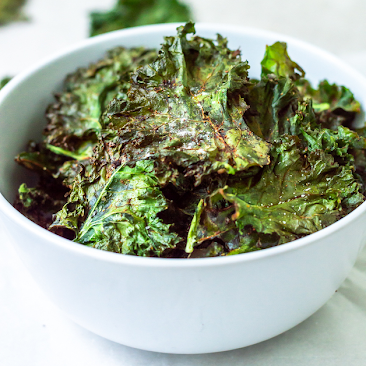
The Bonds love to add kale to a traditional southern dish: collard greens. Felicia mixes kale with collards and turnip greens, then cooks it down until the greens are tender. Their family also loves making kale chips.
Give it a try. Break up kale into small pieces and season with salt, pepper, and garlic powder. Bake in the oven at 275°F until crunchy.
Availability of Greens
The Bonds anticipate reopening in Spring 2023 and will be at several Raleigh-Durham farmer markets. Contact Felicia and Reuben on their website, www.bondsendlessgreens.com/, or by email, bondsendlessgreens@gmail.com for more information on when their greens will be available!