
It’s Hard to Hate Up Close: Preventing cyberbullying begins off line.
It’s Hard to Hate Up Close:
Preventing cyberbullying begins off line.
Rebecca Wenrich Wheeler, Senior Health Educator
In the 2009 film Avatar, the ultimate indication of friendship and intimacy are the words “I see you,” three words spoken face to face, not through a screen or lens. Imagine if a child hears identifiers such as gay, Muslim, Jewish, African-American, Caucasian, and Hispanic, and a fuzzy media prototype doesn’t come to mind, but rather the face of a friend. It’s hard to hate up close. As adults, we must help youth cultivate empathy and mutual respect for others, qualities that extend to online relationships as well.
In a time of growing concerns over cyberbullying, adults play an important role in modeling relational behavior both face to face and on line. Children learn how to manage conflicts and support others during difficult times by watching how adults interact with one another. These relationship skills, or lack thereof, are also reflected in online behaviors. Unfortunately, bullying behaviors are not isolated to youth. Ni (2017) outlined the five most common types of adult bullying:
- Physical bullying: real and simulated physical harm (i.e. violent gesturing)
- Tangible/material bullying: using one’s title, position, or material status to dominate another person.
- Verbal bullying: any hostile language, threat, or shaming
- Passive aggressive or covert bullying: a person acting suitably on the surface, but sabotages the person’s reputation behind the scenes.
- Cyberbullying: displaying any of the behaviors listed above on any online or digital platform.
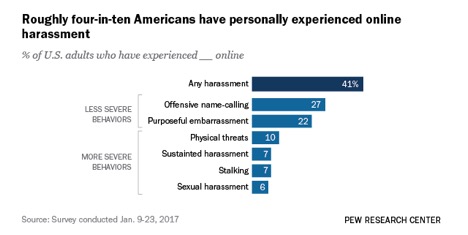
Do these five common types of bullying sound familiar? It should be of little surprise that the bullying behaviors most discussed in terms of youth are also the most prominent bullying behaviors in adults. Scheff (“It’s Revealed” 2014) writes, “Although we can’t diminish the need to continue to discuss youth bullying and cyberbullying, we also need to recognize the need to open up a dialogue about adults who are bullies and those who are targets of their online cruelty.” In 2014, the Pew Research Center released its first study on adult cyber harassment. Of those surveyed, 73% of adults had witnessed online harassment and 40% had experienced cyberbullying first-hand, with the majority of these experiences happening on social media platforms. Men reported more name-calling and embarrassment, while young women recounted high rates of sexual harassment and stalking (Pew 2014). Compared to adult cyberbullying levels, the 2015 Youth Risk Behavior Survey (YRBS) reported 15.5% of high school youth experienced cyberbullying, with females facing online harassment at twice the rate as males.
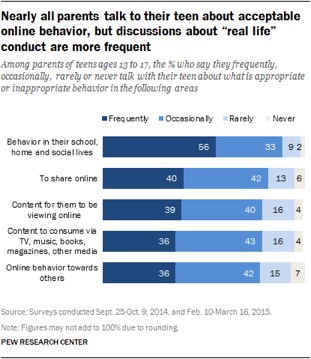
Most parents acknowledge the need to monitor their children’s online activity. At the same time, parents should realize that children are also monitoring and modeling their parents’ online behavior. If a child witnesses his or her parent overshare personal information or publicly ridicule another person with a dissenting viewpoint, the child will assume those are appropriate online behaviors. Adults will coach youth to protect their online identity and avoid escalating cyberbullying situations, but are they heeding their own advice? A 2014 Career Builder survey revealed that 51% of employers, who research applicants’ social media profiles, said they have decided not to hire a candidate based on inappropriate social media posts. While these trends sound bleak, thankfully we can change the trend by modeling responsible online behaviors. Scheff (“Creating” 2014) discusses tips for modeling caring behavior on line:
- Avoid checking your phone while you are with a friend, especially during a meal or in conversation.
- Avoid oversharing on social media, whether it has been a bad day at work or a bad date.
- Think before you post, often less is more.
- Talk to your children about reporting online harassment, and share that adults experience it, too.
- Learn the procedures to report abuse for each social media platform you and your children use.
- Explain that anonymity isn’t a free pass for cruelty.
- If you see someone hurting, reach out to them on line with kindness.
October is Bullying Prevention Awareness month. Download a social media campaign kit created by Youth Thrive’s Emotional-Wellbeing Action Team, of which the Poe Center is a member.
References
Ni, P. (2017, January 22). The 5 Most Common Types of Adult Bullying. Retrieved October 07, 2017.
Pew Research Center. (2014, October 23). Online Harassment. Retrieved October 07, 2017.
Interested in bringing this topic to your school or organization?
- The Poe Center's Bullying Prevention curriculum offers programs for pre-school - 8th grades.
- The Poe Center's #YouthCulture workshop series for adults addresses adolescent development, social media, and healthy relationships.
 Adolescent Brain Development and the Role of Social Media
Learn about current research on adolescent brain development and teen risk perception. Participants will also explore how a risk perception impacts a teen’s engagement with social media and Internet security.
Schedule a program with us today!

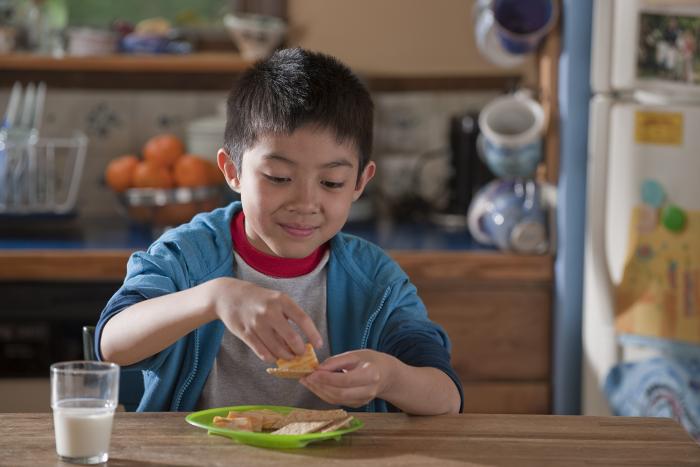
Smart Snacking: The why, what, and when of healthy snacks
Smart Snacking: The why, what, and when of healthy snacks
Lacey Anderson - Health Educator
Lauren McCallum - Senior Health Educator
Does this sound familiar? The kids get home from school. You’ve just walked through the door from a busy day. No one has eaten since lunch (which was before Noon), and it’s going to take at least an hour to get dinner ready. Everyone is ravenous and wants to gorge on anything that’s easy and fast, which likely means some salty or sugary snack.
STOP. There’s a better way to snack.
September is Childhood Obesity Awareness Month, which is a great opportunity to highlight the importance of snacks in maintaining a healthy diet. Snacks done well can play an important role in managing kids' hunger and boosting nutrition. A well-timed snack can level spikes in hunger and provide a much-needed energy boost between meals.
According to the Centers for Disease Control and Prevention, about one in six (17%) children in the United States has obesity.
- Children with obesity are at higher risk for having other chronic health conditions and diseases, such as asthma, sleep apnea, bone and joint problems, and type 2 diabetes. They also have more risk factors for heart disease, such as high blood pressure and high cholesterol.
- Children with obesity are often bullied and teased more than their peers. They are also more likely to suffer from social isolation, depression, and lower self-esteem.
- Children with obesity are more likely to have obesity as adults. This can lead to lifelong physical and mental health problems. Adult obesity is associated with a higher risk of type 2 diabetes, heart disease, and many types of cancers.
Many factors can have an impact on childhood obesity, including eating and physical activity behaviors, genetics, metabolism, family and home environment, and community and social factors. While there is no one solution, there are many things parents and caregivers can do to help their children achieve and maintain a healthy weight.
Encouraging healthy snacking can help.
- Choose nutritious snacks. Most snacks should consist of nutrient-dense foods, such as fruits, vegetables, whole grains, low-fat dairy, and nuts or seeds, which will help kids meet their nutrient needs for the day.
- Timing snacks is important too. Unplanned, random snacking interferes with kids’ appetites and can disrupt eating full meals. The Academy of Nutrition and Dietetics says “most children and teens need to eat every three to four hours throughout the day to meet their MyPlate daily food plan. Younger kids need to eat three meals and at least two snacks a day. Older kids need to eat three meals and at least one snack a day (they may need two snacks if they're going through a growth spurt or if they are very physically active).”
- Keep it between 100-300 calories. According to the Mayo Clinic, "snacks usually account for 100 to 300 calories for the day (depending on your specific caloric needs). Be sure to keep portion sizes appropriate and not overindulge with mindless munching."
- Include two food groups. When preparing a healthy snack, it is important to include at least at least two food groups. Here are a few ideas.

Here are some healthy snacks using two food groups. What are you favorite food group combinations? - Swap the sugar. - Limit highly processed snacks, which are high in sugar, salt, fat, and provide little lasting energy. Here are some easy substitutions for frequently consumed less healthy choices.
- Instead of soda, add fruit to fizzy seltzer water.
- Instead of chips, try crunchy edamame with sea-salt.
- Instead of cookies, try whole-grain crackers topped with peanut butter and raisins.
- Instead of tangy candy, try fruit salad.
- Instead of an ice cream sundae, try a low-fat yogurt and granola parfait.
- Instead of French fries, try baked sweet potato wedges.
- Instead of a milkshake, try a strawberry banana smoothie made with low fat yogurt.
- Instead of a nutty candy bar, try homemade trail mix.
So next time the family rushes to find something quick and easy to eat between meals, have them grab an apple from the fruit bowl, eat a few pre-cut carrots from the fridge, or pair some whole-grain crackers with peanut butter from the pantry. Then wash it down with water. Their hunger will be satisfied, and you’ll feel better about their choices.
References:
- Academy of Nutrition and Dietetics. Helping Kids Maintain a Healthy Body Weight: A Cheat Sheet for Success.
- Academy of Nutrition and Dietetics. When Should My Kids Snack.
- Centers for Disease Control and Prevention. September is Childhood Obesity Month.
- Mayo Clinic. Easy Ways to Get Out of Your Snack Rut.
- Poe Center for Health Education. 2017-2018 Nutrition & Physical Activity Classroom Calendar: Fresh & Fun Snacking, September 2017.
For the Classroom: Vegetable Smiley Faces
Molly Ford - Meredith College Dietetic Intern
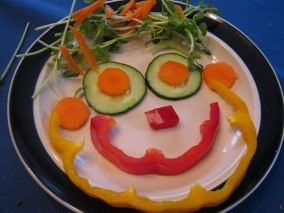
This fun vegetable snacktivity engages kids in making their own healthy snacks while teaching them about the food groups, vitamins found in vegetables, food safety, and different types of vegetables.
Download the activity here: Vegetable Smiley Faces
Featured Program: Growing Healthy Kids
Grade Level: 1st – 2nd
Program Length: 8-12 sessions, 60 minutes each
Growing Healthy Kids is a research-based curriculum from Oregon State University. Students learn about gardening, health, and plant biology while creating a paper, garden mural to be displayed at your school. Growing Healthy Kids lessons are fun and include music, physical activity, and a snack each lesson. This program is easily adjustable to fit into your schedule and can be offered for special education classes or as an after school program.
Program Goals Include:
– Increase the students’ exposure to vegetables and fruits.
– Increase the students’ consumption of vegetables and fruits and model healthy food and lifestyle choices.
The Poe Center offers nutrition and physical activity programs for Pre-K through 12th grades and adults. Schedule a program with us today.

When and How to Talk with Kids about Puberty
When and How to Talk with Kids about Puberty
Robin Pittman, MS, CHES - Senior Health Educator
About a year ago, I got a call from my good friend. She was crying. She and her husband scheduled a meeting with their nine-year old son to discuss puberty and his changing body. They sat down on one couch with their son on another in front of them. They had a big book filled with facts about puberty sitting by their side. As soon as my friend and her husband started talking, their son literally got up from the couch and went outside to play basketball while my friend was in mid-sentence. What went wrong? Why didn’t the conversation go the way they imagined it would?
Most parents agree they need and want to talk about puberty with their children. However, many parents are not sure when and how to do so. So much information about sex and relationships is easily accessible to children via TV, the Internet, and social media. By the time kids begin puberty, they may have a skewed perception of it all. Talking to children about puberty remains an important job for parents to ensure their sons and/or daughters are getting accurate and reliable information. Here are some pointers to help figure out the “when and how” of talking with kids about puberty.
WHEN should you begin the conversation?

According to Kidshealth.org, “by the time kids are eight years old, they should know what the physical, emotional, and social changes are associated with puberty.” Today by age eight, some girls’ breasts are beginning to bud, and boys’ voices may begin changing shortly thereafter. As parents, we need to discuss the facts about adolescent development before kids are influenced by unreliable sources of information, such as well-meaning friends who likely don’t have all the facts themselves.
Ideally, parents should initiate the conversation. Don’t wait for your child to approach you with questions about his or her changing body. That may never happen. When parents break the ice, kids are more likely to start asking questions. It's important to answer these questions about puberty honestly and openly.
HOW should you begin the conversation?

A lot of parents aren’t sure how to bring up the topic of puberty. By making it a matter-of-fact discussion, kids will have a healthier perspective of their changing bodies and why puberty happens. There is no need to schedule a formal meeting. Some kids feel more comfortable talking to mom, some to dad, and some to both. Every family is different. Do what’s most comfortable for your child.
For some kids and parents, face-to-face communication is what frightens them. Take advantage of opportunities when you don’t necessarily have to sit face to face, such as car trips, doing chores together, walking at a park, etc. One good way to start the conversation is to let your child know that his or her body is going to begin growing into an adult. When that happens, there will be some changes to his or her body. He or she might not want to listen, but keep talking!
Get Help.
You are not in this alone! There are several great books that can guide you and your family through these discussions. It’s important to use books along with discussions. A book alone won’t be as effective. Books, such as It’s So Amazing, The Ultimate Girls' Body Book, and The Ultimate Boys' Body Book, are great resources for both parents and children to read together. The Poe Center also offers a series of adolescent development programs for mothers/daughters and fathers/sons. These workshops help guide and foster communication between parents and children. For more information contact Robin Pittman at r.pittman@poecenter.org or (919) 231-4006 extension 322.
Everyone goes through puberty. You made it through, and so will your child. If you're not entirely comfortable having a conversation about puberty, practice what you want to say first. The more you talk, the easier the conversations will become, and the more comfortable your child will be with their changing and growing body.
Continue the Conversation. Join the Poe Center for Girl Talk or Guy Talk - Virtual Workshops
- Girl Talk: Mother-Daughter Workshop - Saturday, June 6
Girl Talk addresses the timely topic of adolescent growth and development and the physical, social, and emotional changes that girls experience during puberty. - Guy Talk: Parent-Son Workshop - Saturday, June 20
Guy Talk will equip boys with accurate age-appropriate information developed to help with healthy growth and development. Workshop topics include the changes which happen during puberty, reproductive systems, proper nutrition, and hygiene.
For the Classroom: Puberty Kit
Grades: 4-5 grades
Objective: Recognize and understand the function of items needed during puberty.
Supplies:
- bar soap and wash cloth
- antiperspirant/deodorant
- sanitary pad and cotton underwear
- hat
- socks
- sports bra
- razor and shaving cream
- toothbrush/toothpaste
- shampoo
- jump rope
- plastic apple
- A bag or basket
Directions:
- Ask for 11 volunteers from the audience to help the educator build a kit of items boys or girls will need when their bodies are changing.
- Pass the items out to the volunteers and have them stand in a straight line facing the audience.
- Ask each volunteer to
1) identify the items
2) what it's used for and
3) if the item is important during puberty. - If the student answers correctly, put the item in the kit. If not, give another student a chance before the educator tells the class what the correct use of the item is.
Description of each item:
- Bar Soap and Wash Cloth: Important for washing away dirt and oil. Can help with reducing acne. Applying hot wash clothes to pimples will reduce redness.
- Antiperspirant/Deodorant: During puberty people may sweat more and develop body odor. There are several different types of deodorant on the market. Some are designed to reduce sweat (antiperspirant). Others are designed to reduce sweat and body odor (deodorant).
- Sanitary Pad and Cotton Underwear: These products are available for females to manage their periods. Are sold in grocery or drug stores. Good for girls to keep an extra of in their book bag.
- Hat: Hats left unwashed can become dirty and cause acne on the forehead.
- Socks: Socks need to be changed daily. Baking soda or baby powder can be sprinkled into shoes to keep them from smelling.
- Sports Bra: Bras help to support a female’s breasts. Some males will temporarily develop larger breasts during puberty. This is normal and will eventually go away.
- Razor and Shaving Cream: Some men choose to shave their facial hair. Some women choose to shave their leg hair. Some people use shaving foam while shaving.
- Toothbrush/Toothpaste: It is important to take care of your teeth and gums and brush your teeth at least twice a day.
- Shampoo: Wash your hair regularly to remove dirt and oil.
- Jump Rope: Physical and recreational activities, such as sports, walking, having fun with friends outside, etc. improve energy, physical, and mental well being
- Plastic Apple: Eating healthy foods improves energy, physical and mental well being. Work towards increasing fruits, vegetables, and whole grains while minimizing high fat and high sugar foods/drinks.

Tips to Prevent Distracted Driving
Tips to Prevent Distracted Driving
Dana Orr - Senior Health Educator
It’s safe to say that we have all been distracted by someone or something at some point while driving. Billboards. Passengers. Radio. Electronic devices. Food. The list of distractions inside and outside of our vehicles is long. These distractions make safe driving particularly difficult for teens. The rational part of a teen’s brain isn’t fully developed until age 25. Most inexperienced drivers are within this age range; so they have to juggle attentive driving with this additional challenge. There are almost 250,000 children under age 18 in Wake County. Motor vehicle crashes top the list for children's injuries in Wake County. According to AAA experts, there were 95 teen fatalities in North Carolina last year, and more than 12,000 teens were injured in motor vehicle crashes. Research shows that 22.2 percent of all crashes involving NC teens in 2016 were the result of distracted driving. These are harsh statistics.
What can we do to make a difference? The first steps to prevention are education and awareness. Recognizing that distracted driving is a public health issue and a preventable cause of injury and death is the first step. Getting educated and knowing the resources that are available to help is equally as important.
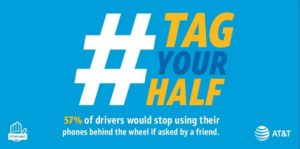
The National Safety Council promotes a social approach for cultural change to make distracted driving more socially unacceptable. They ask that passengers speak up against cell phone use by offering to take the call or respond to the text or simply asking the driver not to use their phone. The NSC also suggests people not to call or text when they know loved ones are driving or offer to call back later if someone answers while driving. Similarly, the Harvard School of Public Health challenges us to apply the concept of not drinking alcohol and driving and use a designated driver that stays attentive and drives defensively.
This applies to parents, caregivers, and adults, in general, as well. Adults have to be role models for youth. "Children look to their parents for a model of what is acceptable," said Ray Bingham, research professor and head of UMTRI's Young Driver Behavior and Injury Prevention Group. "Parents should know that every time they get behind the wheel with their child in the car they are providing a visible example that their child is likely to follow."
Technology presents several pros and cons to the driving-distracted dilemma. Intended to help, "hands-free devices offer no safety benefit when driving. Hands-free devices do not eliminate cognitive distractions" according to the National Safety Council.
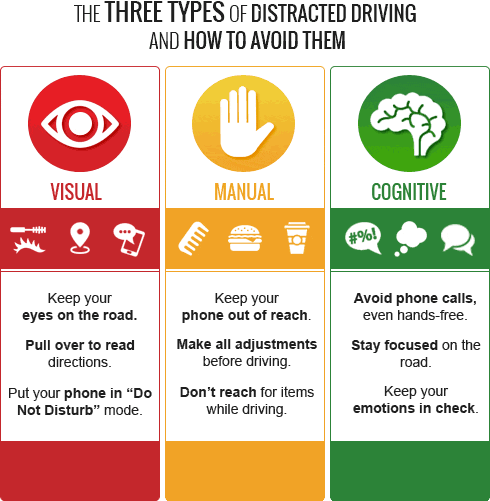
In contrast, there are many phone apps that can help. From tracking driving habits to blocking cell phone use, here are a few designed to encourage safe driving:
- Time to Drive supports teen drivers during the practice period by setting driving goals and tracking habits.
- AT&T’s Drive Mode will automatically reply to text messages that the driver is unavailable.
- Sprint’s Drive First will send calls to voice mail, silence notifications, and auto-reply to texts.
- Others There is no shortage of apps designed to help. Find the right one for you and your teen driver.
Join NC Vision Zero’s initiative to realize their goal of eliminating roadway deaths and injuries in North Carolina. Take the pledge today.
VISION ZERO PLEDGE: I pledge to myself, my loved ones, and my community to:
- Always wear a seat belt.
- Follow the speed limit.
- Only drive sober and alert. Only drive sober and alert.
- Keep my eyes on the road, my hands on the wheel, and my mind on driving.
The Poe Center continues to be involved in education and promoting awareness, environmental changes, and policy enactment and enforcement. Stay tuned for continued programs and projects on this topic!
References:
- DMV.Org
- Harvard School of Public Health
- National Safety Council
- NC Vision Zero
- University of Michigan