
Three Things Caregivers Can Do to Prevent Opioid Abuse
Three Things Caregivers Can Do to Prevent Opioid Abuse
Deborah Hendren, CSAPC - Substance Use Prevention Manager
All of North Carolina and the nation are facing an epidemic of drug overdose deaths. The statistics are staggering. There was a 73% increase in opioid related deaths from 2005 to 2015 in North Carolina. “A new report mapped out the top 25 worst cities in the US for opioid abuse, and North Carolina shows up four times on that list. The report, from Castlight Health, analyzed up-to-date anonymous health data from nearly a million people covered by employer-based insurance. The worst city in America for opioid abuse according to the study was Wilmington. Hickory was the 5th, followed by Jacksonville at 12th and Fayetteville at 18th."

Adolescents and young adults misuse prescription opioids more than any other age group, and teen substance use significantly increases the risk of developing addiction. The brain continues to develop until about 24-25 years of age and undergoes dramatic changes during adolescence. One of the brain areas still maturing during adolescence is the prefrontal cortex—the part of the brain that enables us to assess situations, make sound decisions, and keep our emotions and desires under control. The fact that this critical part of an adolescent’s brain is still a work in progress puts them at increased risk for making poor decisions (such as trying drugs or engaging in risk-taking behaviors). Also, introducing drugs during this period of development may cause brain changes that have profound and long-lasting consequences.
There are three important steps caregivers can take to prevent their teens from misusing prescription drugs, reduce the chances of accidental overdose, and avoid the devastation of opioid addiction.
Step 1: Proper medication storage and disposal.
Approximately 70 percent of teens access pain medication from people they know personally – friends, family, or the stocked medicine cabinet in the bathroom. Caregivers need to be aware of the different medications they have stored within the home and keep medications safely locked up. If medications within the home are not locked up, it is crucial for caregivers to keep track of any pills that might be missing. Caregivers should dispose of any unused pills immediately and safely.
Step 2: Talk with your teen's doctor.
Prescription opioids are generally safe when they are medically necessary and taken as prescribed. Most people who are prescribed opioids do not misuse them or become addicted. If a doctor prescribes your teen opioid pain medication following an injury or surgery, ask the doctor questions about risks of addiction, proper use, length of period they need to take it, and possible medication alternatives that are not addictive. Unless your teen is in the hospital, pain management at home following an injury or surgery should quickly shift from opioid to non-opioid medications within a few days. Many doctors are appropriately shifting away from writing 30-day refillable prescriptions in these situations. Always monitor your teen’s use of the medications, and contact your teen’s doctor immediately if you have any concerns about misuse or addiction. Early intervention is an effective way to prevent addiction.
Step 3: Engage teens in honest conversations.
Caregivers need to engage teens in honest conversations about the dangers of opioid abuse and how to avoid it. Teens may think that the medications are safe because they are legal and prescribed by doctors, but taking someone else’s medication, taking more than prescribed, or using them in combination with other medications can have serious consequences, including death. Prescription opioid misuse and addiction precedes later heroin use in nearly half of young people. With repeated misuse of prescription drugs, larger and more frequent doses of opioids are needed so teens may turn to heroin as a cheaper and more affordable alternative. The risks of overdose and death are even greater in this epidemic because fentanyl, a powerful and deadly synthetic opioid, is being laced in prescription drugs and heroin. Teens may unknowingly take fentanyl, believing it to be a prescription drug. These risks are potentially deadly and need to be communicated to your teen.
Caregivers should not feel helpless in the face of the opioid epidemic. There are practical steps you can take to ensure that your teen does not become a victim of opioid addiction, a preventable disease with tragic outcomes for the entire family. Although the solution to the opioid crisis is multifaceted and involves the collective effort of several stakeholders, caregivers play a vital role in helping to turn the tide of the epidemic in a positive direction.
NKEM OSIAN, MPH
Nkem is a Research Associate at the National Center on Addiction and Substance Abuse
Click HERE to find a prescription drop off site in your community.
Click HERE for resources and to learn more about opiate use.
References:
- The opioid crisis in America's workforce. Castlight Health. April 20, 2016
- Parents play a pivotal role in opioid prevention. The Buzz. The National Center on Addiction and Substance Abuse.
- County - by - County Figures: The opioid crisis in North Carolina. NC Governor Roy Cooper.
- Drugs, Brains, and Behavior: The science of addiction. National Institute on Drug Abuse.
- 2013-2014 National Survey on Drug Use and Health: Model-based prevalence estimates (50 states and the District of Columbia). Substance Abuse and Mental Health Services Administration.
Interested in bringing this topic to your school or organization?
Consider scheduling one of these related programs. The Poe Center offers substance use prevention programming for grades 5-12 and adults. Call 919-231-4006 or go on line to schedule a program.
Understanding Opioids
Grade Level: middle & high school age youth | Program Length: 90 minutes
Students will learn the types and effects of opioids (prescription pain medicine and heroin) on the brain and body, how opioids affect brain chemistry, safe use of prescription medication, and how to recognize an emergency and intervene on the behalf of their peers as well as stress management as a prevention technique.
Opioids 101 for Parents/Guardians
Audience: Adults | Program Length: 90 minutes
Adults will earn about the growing concern of opioid use (prescription pain medicine and heroin) in our communities and how to recognize the risk factors, youth perception of risk, scope of the opiate problem, signs and symptoms, as well as action steps and resources to keep children from opioid use. Adults will receive relevant resources and information.
Opioid Epidemic Uncovered: Finding the Prescription for Recovery
Poe Center Annual Meeting and Luncheon Conferences
September 14 - 15, 2017
Join the Poe Center and the NC Medical Society Alliance for a special event series to examine the opioid crisis and explore collaborative solutions. Events in Raleigh and Greensboro will feature keynote speaker Sam Quinones, author of the acclaimed book Dreamland: the True Tale of America’s Opiate Epidemic, along with an exert panel to discuss the impact of opioids in their communities and the opportunities for change. Purchase tickets today.
For the Classroom: Opioid Teacher Lesson
Grades: Middle & High School
Objective: Research and learn information about the effects that dangerous drugs have on the body. Work together in cooperative groups.
Materials needed:
- one sheet of construction paper or poster board per group
- pens or pencils
- markers, crayons, or paint
- computers with Internet access or updated library resources on drug use
Lesson Plan:
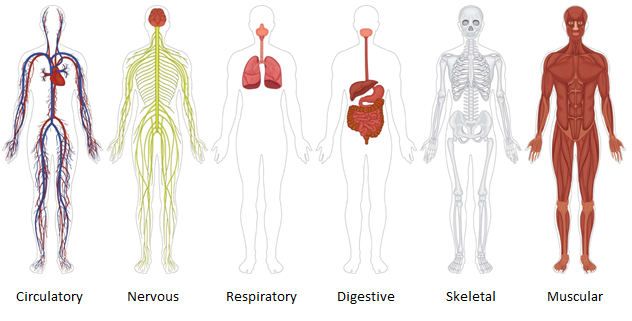
- Review information about opiates and general affects on body systems. Explain that opiates are drugs that work on the nervous system to reduce pain signals reaching the brain and that we want to learn more about how they affect our entire body.
- Divide the class into groups of two or three students. Assign each group a human body system. Have each group gather information from Internet or library sources about the short term and long term affects the opiates on their assigned body system.
- Suggested sites include:
- National Institute on Drug Abuse: https://easyread.drugabuse.gov/
- National Institute on Drug Abuse for Teens: https://teens.drugabuse.gov/
- Operation Prevention: https://www.operationprevention.com/
- Provide materials for each group to create posters. Posters can contain a basic human skeleton or include organs of the assigned body system.
- Have each group present the completed poster to the class. Ask students to describe their posters and explain how opiates affect their assigned body system in the short and long term.
- At the end of each group presentation, explain how unintentional poisoning could be the outcome due to each effect.
This activity can be altered to include more or less details depending on grade level.
Additional Resources:
- Addiction Hurts video by the Poe Center
- Operation Prevention Teaching Guide for high school
- Generation Rx: Safe Medication Practices for Life
- US Food & Drug Administration
- Rx for Understanding: Preventing Prescription Drug Abuse Educator's Guide
- Rx for Understanding: Be Smart about Prescription Drugs
Weight-loss Berries and Orange Cheese: When fake news hits your dinner table.
Weight-loss Berries and Orange Cheese: When fake news hits your dinner table.
Rebecca Wenrich Wheeler, MA, M.Ed. – Senior Health Educator
What does Nutella, chocolate, dandelion weed, the Acai berry, green coffee extract, and a 17th century cheese have in common? Give up? All of these food items have been the center of a false news story. Before modern politics made “fake news” a household word, health professionals have long battled to contradict false headlines, particularly in the area of nutrition.
Health fraud scams refer to products that claim to prevent, treat, or cure diseases or other health conditions, but are not proven safe and effective for those uses” (USFDA). In fall 2016, the most popular Facebook article on cancer claimed that dandelion weed would kill cancer cells in 24 hours of ingestion (Forster 2017). The dandelion weed article was shared 1.4 million times, which was four times more than the most shared legitimate news story that month, which happened to be a New York Times article (Forster 2017). A consumer falling for such scams not only wastes money, but the person might choose to try the unproven alternative before an evidence-based treatment. In turn, the illness might progress to a point where the evidence-based treatments are no longer viable.
In 2013, the Federal Trade Commission charged Beony’s International and its owner for marketing their acai berry supplements using false information about the berry’s weight-loss properties (FTC 2013). The company fabricated news reports on their websites and falsely claimed the berry had been promoted on news outlets, such as CNN and Consumer Reports (FTC 2013). Boeny’s settlement costs exceeded $1.6 million dollars.
NPR’s Scott Hensley (2011) highlights several tips for determining if a company is deceitfully promoting a product online:
- Realize that lists of endorsements from recognized news sites may be fabricated.
- Roll your mouse over links to see if they lead you to sales sites.
- Beware if all of the sources and videos are favorable toward the product and no negative critiques are offered.
- Be cautious if all the comments are favorable under the article, or if the author has blocked commenting altogether.
- Watch out for disclaimers in very fine print and free trials that turn out to cost a fee.
In early 2015, you may have been pleased to read the headline “Chocolate can help you lose weight,” along with a scientific-looking study authored by Johannes Bohannon and his colleagues (Lombrozo 2015). Stories about the study ran on several mainstream media sites. A few months later Bohannon revealed the entire study was a hoax. He purposely ran a weak study with only 16 participants to help engineer the results. Bohannon, whose real name is actually John, said he authored the study “to make a point about the media’s willingness to uncritically report and promote junk science,” (Lombrozo 2015). While the ethics of Bohannon’s actions may be debated, it does highlight the need to be critical consumers of media.
Last fall, Stanford University published a study on how well middle school, high school, and college students differentiate between advertisements and legitimate articles. The results even shocked the researchers. Over 7,800 students participated in the study and a large majority could not distinguish between advertisements or sponsored content and a legitimate news story (Domonoske 2016). The researchers wrote: “Even most college participants did not recognize that a tweet from an activist group could be biased. Many assume that, because young people are fluent in social media, they are equally savvy about what they find there. Our work shows the opposite,” (Stanford 2016). The Stanford researchers provide tips on how to become more savvy connoisseurs of media:
- Do not assume the first article listed in a search is the most credible. Search engines do not order results based on reliability.
- Instead of reading the entire questionable article, leave it, and search for the information elsewhere.
- Read laterally. When checking information in a questionable article, open up several tabs, and check if the information can be found on other sites.
- Avoid judging a webpage based on its own description. If a website claims to be an authority on a subject, search for reviews on the website, and its authors.
Although the Internet provides a vehicle for fake news to rapidly spread, false news related to food is not a new phenomenon. In fact the tradition of dying cheese orange can be attributed to false advertising. In 17th century England, breeds of cows who ate beta-carotene rich grass transferred the orange pigment into their milk, and thus into the cheese (Aubrey 2013). Orange cheese indicated high quality. Other cheesemakers wanted to make more money, so they separated the cream to make butter. The bargain cheesemakers were left with a white, low-fat cheese, but in order to sell the cheese, they had to trick the consumer and add orange dye (Aubrey 2013). Next time you rip into a perfectly packaged block of orange cheddar, search the label for annatto, and you know you’ve been duped by false advertising centuries in the making.
Works Cited
Lombrozo, T. (2015, June 08). What Junk Food Can Teach Us About Junk Science. Retrieved May 14, 2017.
US Food and Drug Administration (n.d.). Health Fraud Scams. Retrieved May 14, 2017.
Interested in bringing this topic to your school or organization? Consider scheduling one of these related programs.
- Mission Nutrition
Grade Level: 6th – 8th | Program Length: 60 minutes
It’s a challenge balancing food and physical activity. Participants will discover the importance of carefully reading food labels, barriers to healthy eating and the risks associated with over- and under-eating. - #YouthCulture: Adolescent Brain Development and the Role of Social Media
Level: Adults Only | Program Length: 2 hour workshop
Learn about current research on adolescent brain development and teen risk perception. Participants will also explore how a risk perception impacts a teen’s engagement with social media and Internet security.
Op-Ed: Drinking to Cope - Poor stress coping skills fueling adolescent binge drinking
Op-Ed: Drinking to Cope - Poor stress coping skills fueling adolescent binge drinking
Rebecca Wenrich Wheeler - Senior Health Educator
According to the 2015 Youth Risk Behavior Survey (YRBS), during the past 30 days 33% of high school students drank some alcohol and 18% binge drank (CDC 2016). A binge is considered 4 drinks in 2 hours for women, and 5 drinks in 2 hours for men (Goldstein, A., et al. 2016). To understand what factors might prompt an adolescent to a binge drink, we must look beyond the notion of simply wanting a taste of “forbidden fruit”. There are more European adolescent drinkers in countries with lower legal purchase ages than the United States. Also, youth in European countries are more likely to report being intoxicated before age 13 than in the US 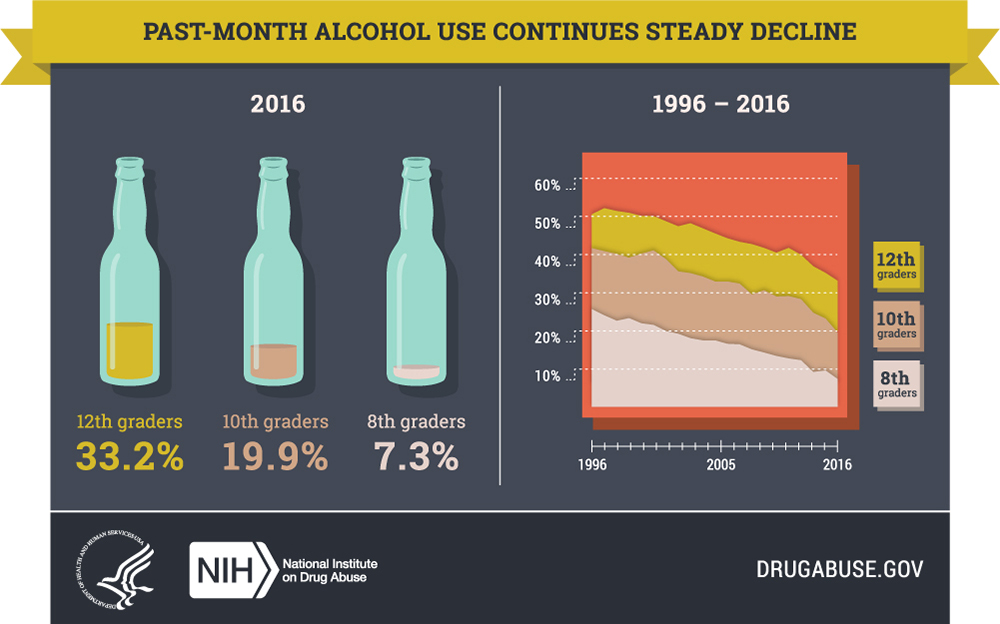 (Friese & Grube, 2005). Additionally the 2016 Monitoring the Future Study reports fewer US teens are drinking now than in decades past (NIDA, 2016). Attributing adolescent drinking only as a desire to experiment with the illegal further masks the deeper problem: adolescent binge drinkers are drinking to cope.
Several factors influence some teens to drink more than their peers. Childhood behaviors such as restlessness, distractibility, and impulsivity increase the likelihood of heavy drinking in adolescence. In addition, “Teens experiencing uncontrolled stress may also be more likely to use illegal drugs or engage in underage drinking, especially when not monitored” (American Psychological Association). Stress not only may fuel adolescent binge drinking, but heavy drinking during these pivotal years impacts how the brain handles stress in the future. As we age and learn to cope with stressors, less cortisol is released during stress (Nagappan 2016). However, in teens who binge, their brains do not learn to cope with stress, and as a result, cortisol release doesn’t drop over time as compared to non-drinking counterparts (Nagappan 2016). Eventually the brain and body becomes unable to distinguish between a small stressor and something life threating. The brain reacts as if everything is life-threatening, thus increasing the reactive binge behavior. Males tend to have higher drinking rates in response to stressors than females, especially if they have higher expectations of alcohol to relieve stress (Grzywacz & Almeida 2008). Although, studies show positive changes in diet and exercise reduces the negative effects of stress and in turn the rate of alcohol consumption (Goldstein, A., et al. 2016). In particular, foods with anti-inflammatory properties reduce negative effects of stress on the brain (Goldstein, A., et al. 2016).
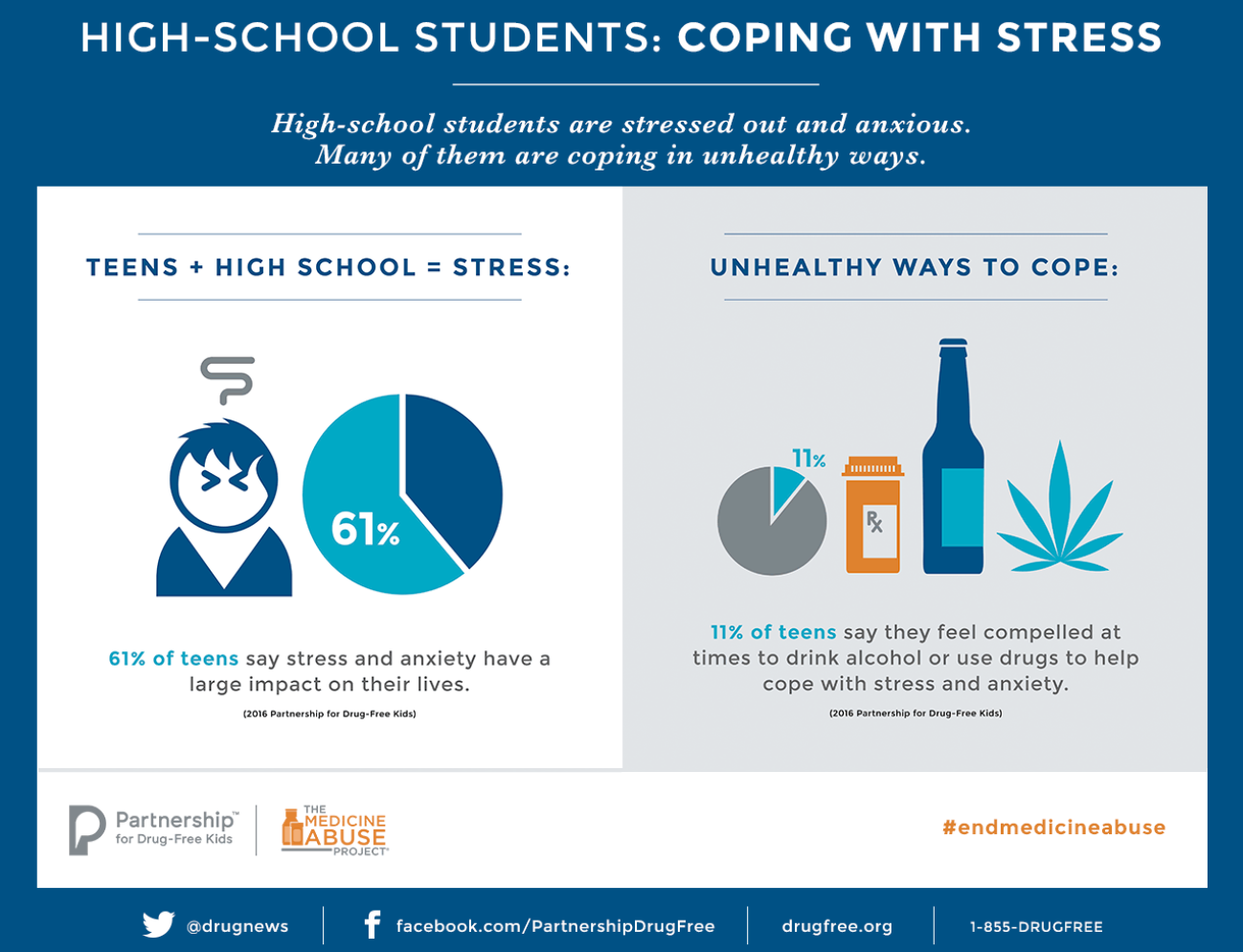
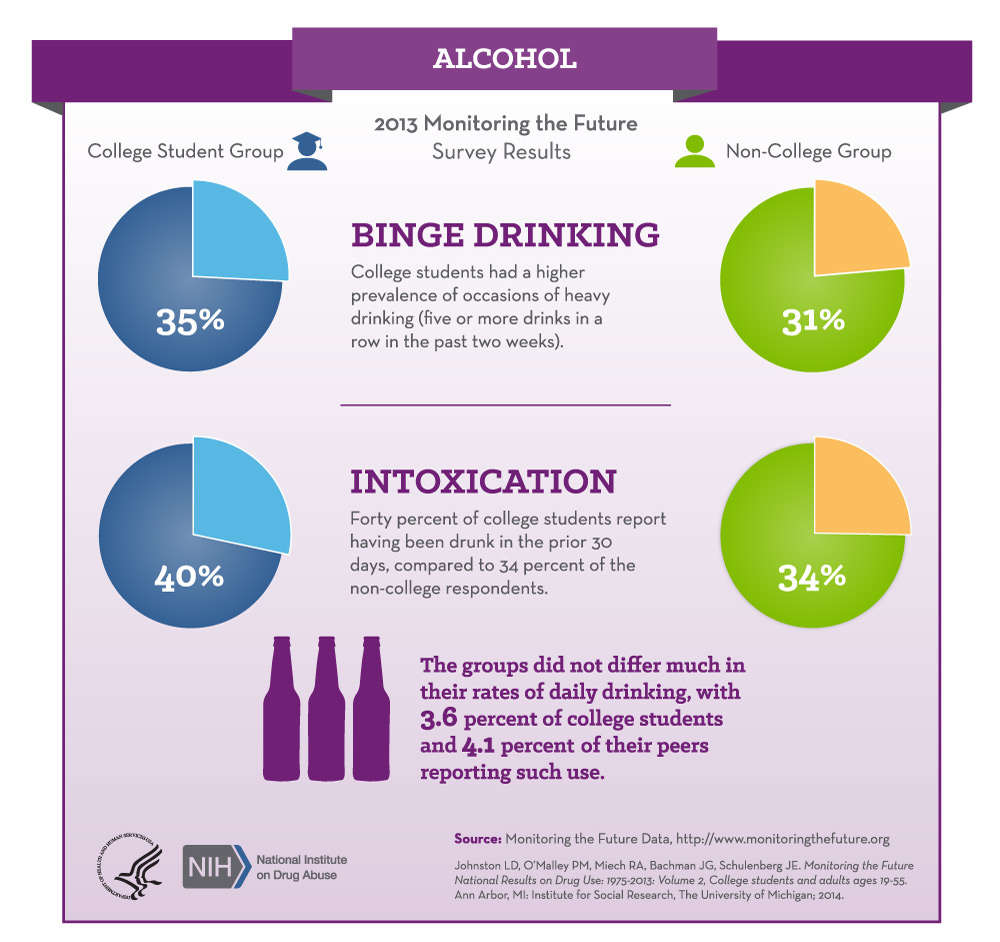
As youth transition into college, binge drinking rates increase. College students with depressive symptoms and other mental health challenges are more likely to engage in risky drinking in comparison to the general population. This behavior is often labeled “drinking to cope” (Bravo, A. J., et al. 2016).
 Promising pilot studies use mindfulness intervention to alter binge drinking behaviors among college undergraduates. Practicing mindfulness involves being purposely aware of the present moment. The person becomes more aware of their environment and how he or she reacts to changes in the environment. “Mindfulness may influence alcohol use among college students by modulating the relationship of automatic process on patterns of alcohol use” (Mermelstein & Garske 2015). After mindfulness training, the student becomes aware of environmental stimuli that prompts binge drinking, thus weakening the automatic response. Alcohol cravings decreased within two months after Mindfulness-Based Relapse Prevention (MBRP) intervention, reducing the student's association between heavy alcohol use and stress reduction (Bravo, A. J., et al. 2016). Participants also reported feeling more in control of their choices after MBRP (Mermelstein & Garske 2015).
In the Mermelstein and Garske (2015) study, after the initial 4-week intervention, participants reported “fewer binge episodes, less consequences of alcohol use, higher alcohol refusal self-efficacy and higher dispositional mindfulness” (Mermelstein & Garske 2015). Although participants did not completely stop alcohol use, binge drinking behaviors did decrease, which fits within a harm reduction model (Mermelstein & Garske 2015). In addition, people who demonstrate high trait mindfulness were much less likely to drink to cope than those who show low trait mindfulness. “Mindfulness is a protective factor that can decouple the conditioned associations between negative emotional states and substance use” (Bravo, A. J., et al. 2016). When we provide young people the opportunity to practice stress management skills, we in turn fortify them with protective factors to prevent risky substance use.
Resources:
American Psychological Association. Talking to teens about stress. Retrieved April 13, 2017, from http://www.apa.org/helpcenter/stress-talk.aspx
Bravo, A. J., Pearson, M. R., Stevens, L. E., & Henson, J. M. (2016). Depressive Symptoms and Alcohol-Related Problems Among College Students: A Moderated-Mediated Model of Mindfulness and Drinking to Cope. Journal of Studies on Alcohol and Drugs,77(4), 661-666. doi:10.15288/jsad.2016.77.661
Friese, B., & Grube, J. W. (2005). Youth Drinking Rates and Problems: A Comparison of European Countries and the United States. Retrieved from http://resources.prev.org/documents/ESPAD.pdf
Grzywacz, J. G., & Almeida, D. M. (2008). Stress and binge drinking: A daily process examination of stressor pile-up and socioeconomic status in affect regulation. International Journal of Stress Management,15(4), 364-380. doi:10.1037/a0013368
Goldstein, A., Déry, N., Pilgrim, M., Ioan, M., & Becker, S. (2016). Stress and binge drinking: A toxic combination for the teenage brain. Neuropsychologia,90, 251-260. doi:10.1016/j.neuropsychologia.2016.07.035
Mermelstein, L. C., & Garske, J. P. (2015). A brief mindfulness intervention for college student binge drinkers: A pilot study. Psychology of Addictive Behaviors,29(2), 259-269. doi:10.1037/adb0000040
Nagappan, P. (2016, August 07). Teen drinking may damage ability to cope with stress. Retrieved April 12, 2017, from https://www.sciencenewsforstudents.org/article/teen-drinking-may-damage-ability-cope-stress
NIDA (2016, December 13). Monitoring the Future. Retrieved April 11, 2017, from https://www.drugabuse.gov/related-topics/trends-statistics/monitoring-future
CDC. (2016, August 11). Youth Risk Behavior Support Survey. https://www.cdc.gov/healthyyouth/data/yrbs/results.htm
National Nutrition Month: What's Your Healthy Eating Style?
What's Your Healthy Eating Style?
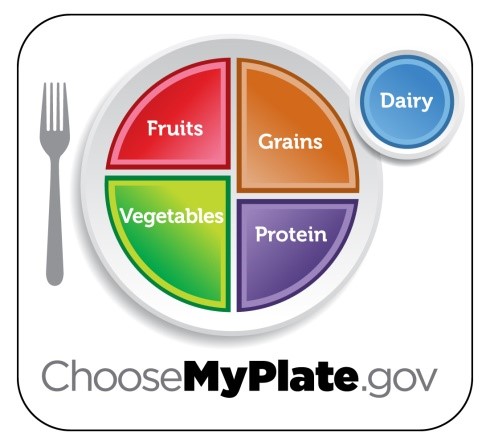
It's National Nutrition Month, which means there is no shortage of nutrition advice out there. The information can be overwhelming and confusing. No two bodies are alike, which is why you should strive to find your own healthy-eating style and maintain it for a lifetime. MyPlate is a great guide for finding healthy eating solutions. Choosing healthy foods and drinks creates personal “ wins.” If you make “ winning” choices more often, you create a healthier now and a better future for ourselves.
FOLLOW A HEALTHY EATING PATTERN OVER TIME TO HELP SUPPORT A HEALTHY BODY WEIGHT AND REDUCE THE RISK OF CHRONIC DISEASE
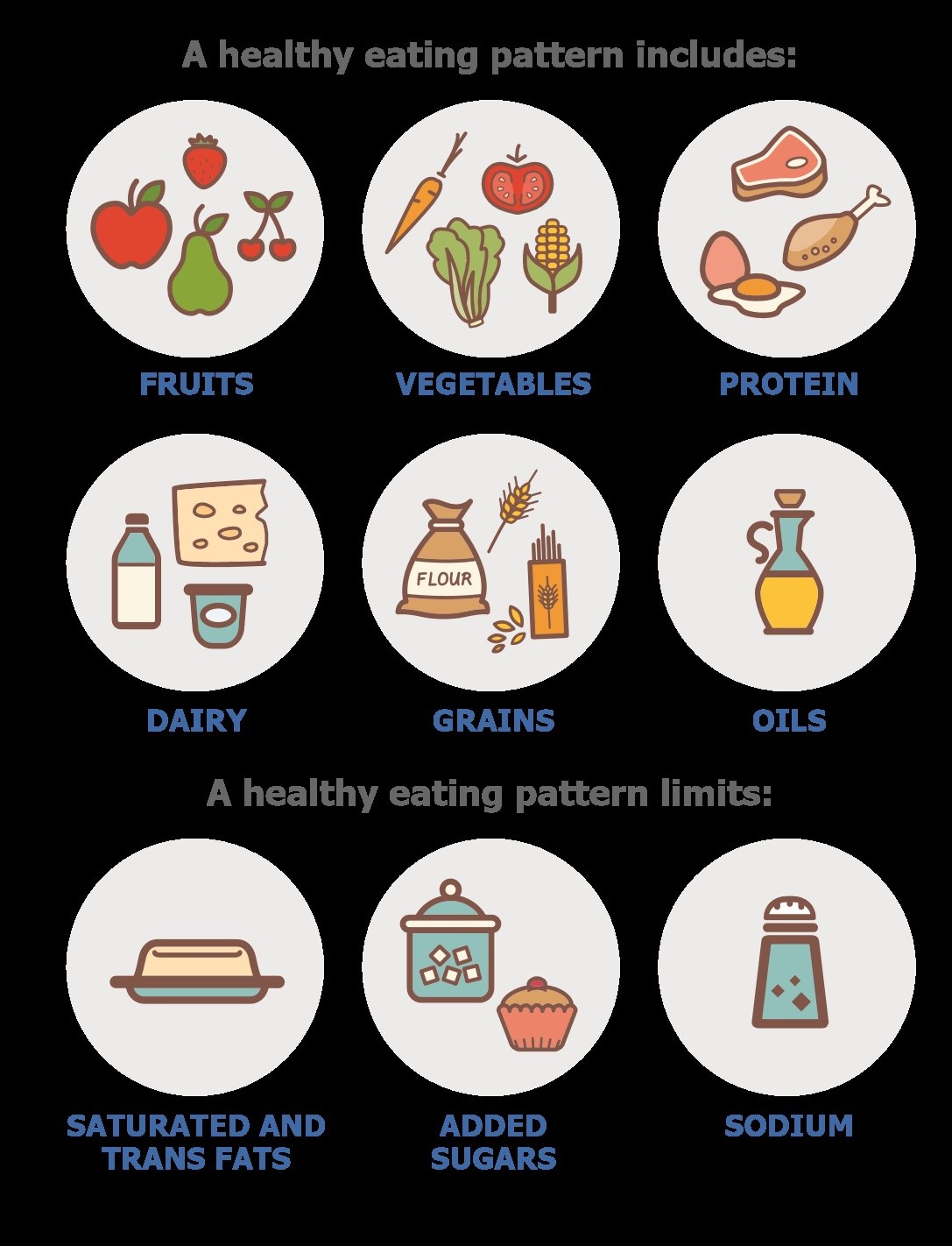
1. Follow a healthy eating pattern across the lifespan. All food and beverage choices matter. Choose a healthy eating pattern at an appropriate calorie level to help achieve and maintain a healthy body weight, support nutrient adequacy, and reduce the risk of chronic disease.
2. Focus on variety, nutrient density, and amount. To meet nutrient needs within calorie limits, choose a variety of nutrient-dense foods across and within all food groups in recommended amounts.
3. Limit calories from added sugars and saturated fats and reduce sodium intake. Consume an eating pattern low in added sugars, saturated fats, and sodium. Cut back on foods and beverages higher in these components to amounts that fit within healthy eating patterns.
4. Shift to healthier food and beverage choices. Choose nutrient-dense foods and beverages across and within all food groups in place of less healthy choices. Consider cultural and personal preferences to make these shifts easier to accomplish and maintain.
5. Support healthy eating patterns for all. Everyone has a role in helping to create and support healthy eating patterns in multiple settings nationwide, from home to school to work to communities.
Reference:
For the Classroom: Mini MyPlate Pizzas
GRADES: K-8
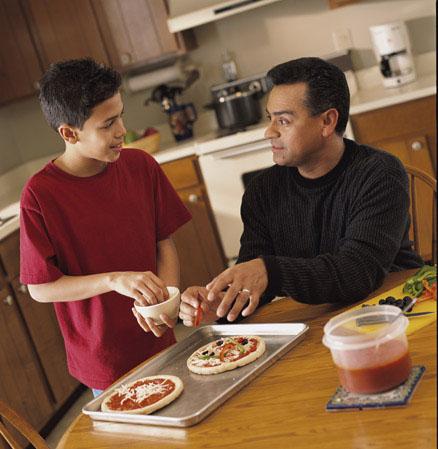
These mini pizzas are a delicious and filling snack that includes all five food groups of the MyPlate! Choose whole-grain bagels ( grain), fresh tomato sauce ( fruit), part-skim mozzarella cheese ( dairy),
grilled chicken (protein), and your choice of crunchy fruit or vegetables ( vegetable).
Ingredients:
- Mini whole-grain bagels or English muffins
- Tomato sauce
- Part-skim mozzarella cheese
- Grilled chicken
- Other toppings may include: sliced tomatoes, spinach, pineapple, and even broccoli
Instructions:
1. Cut mini bagels in half.
2. Place a tablespoon of tomato sauce on top of bagel slice.
3. Sprinkle with cheese.
4. Top with chicken pieces and a few slices of fresh fruit or veggies. Note: green veggies go best under cheese.
5. Place in toaster oven until cheese melts and bagel is toasted.
6. ENJOY!
Interested in bringing this topic to your classroom? Try Food for Thought
The Poe Center offers a wide variety of nutrition and physical activity classes for preschool – 12th grades and adults. Call 919-231-4006 or go on line to schedule a program.
Food for Thought
Grade Level: 4th – 5th
Program Length: 60 minutes
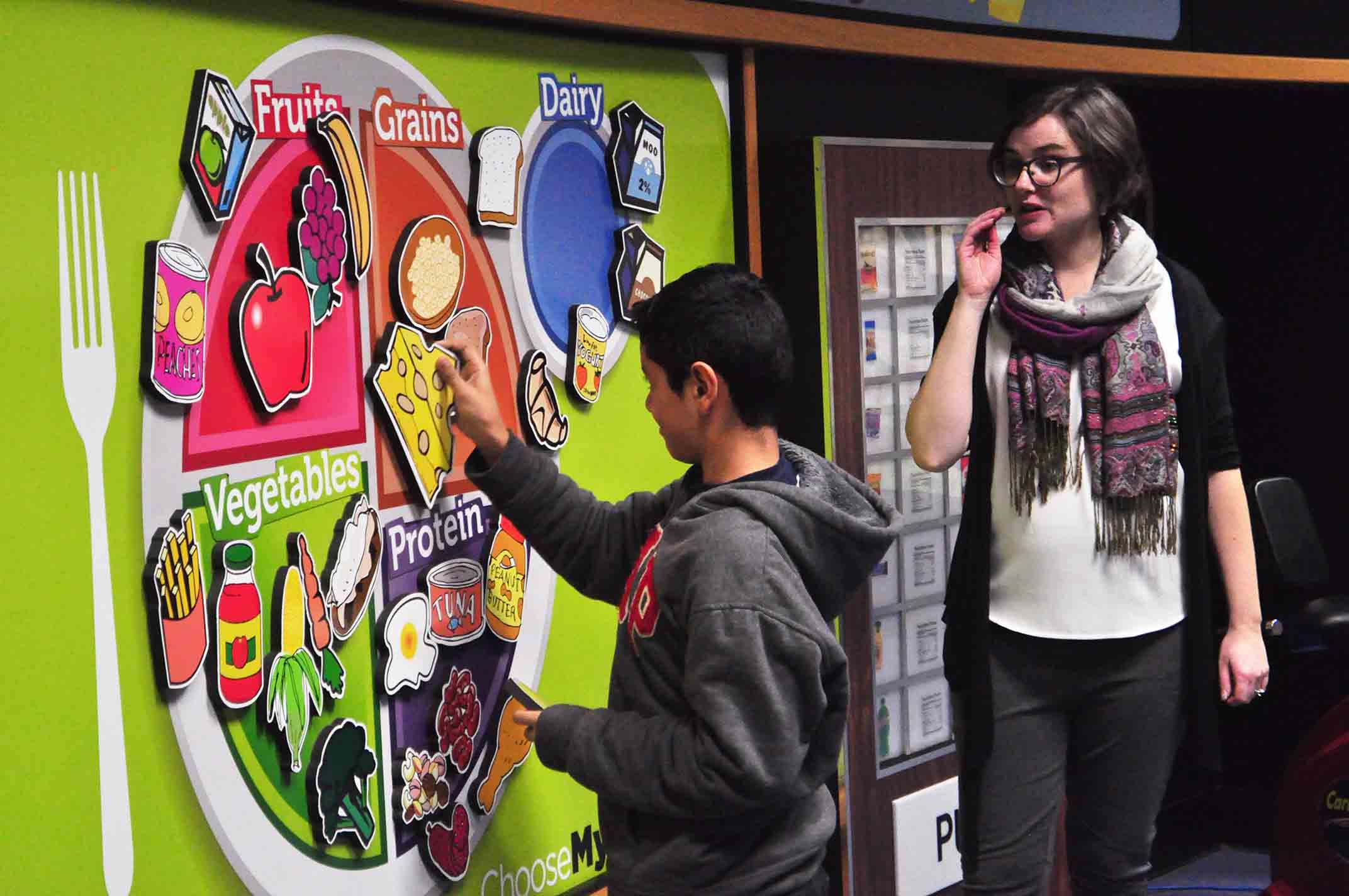
Have your students ever asked… Why do we need food? What is “MyPlate”? What are the different food groups and do I need to eat foods from all of them? How does media influence food choices? Are all body types the same? Is dieting healthy? If you said yes to any of these questions, don’t give it a second thought; sign up for this program today. The session will answer each of these questions and more.