
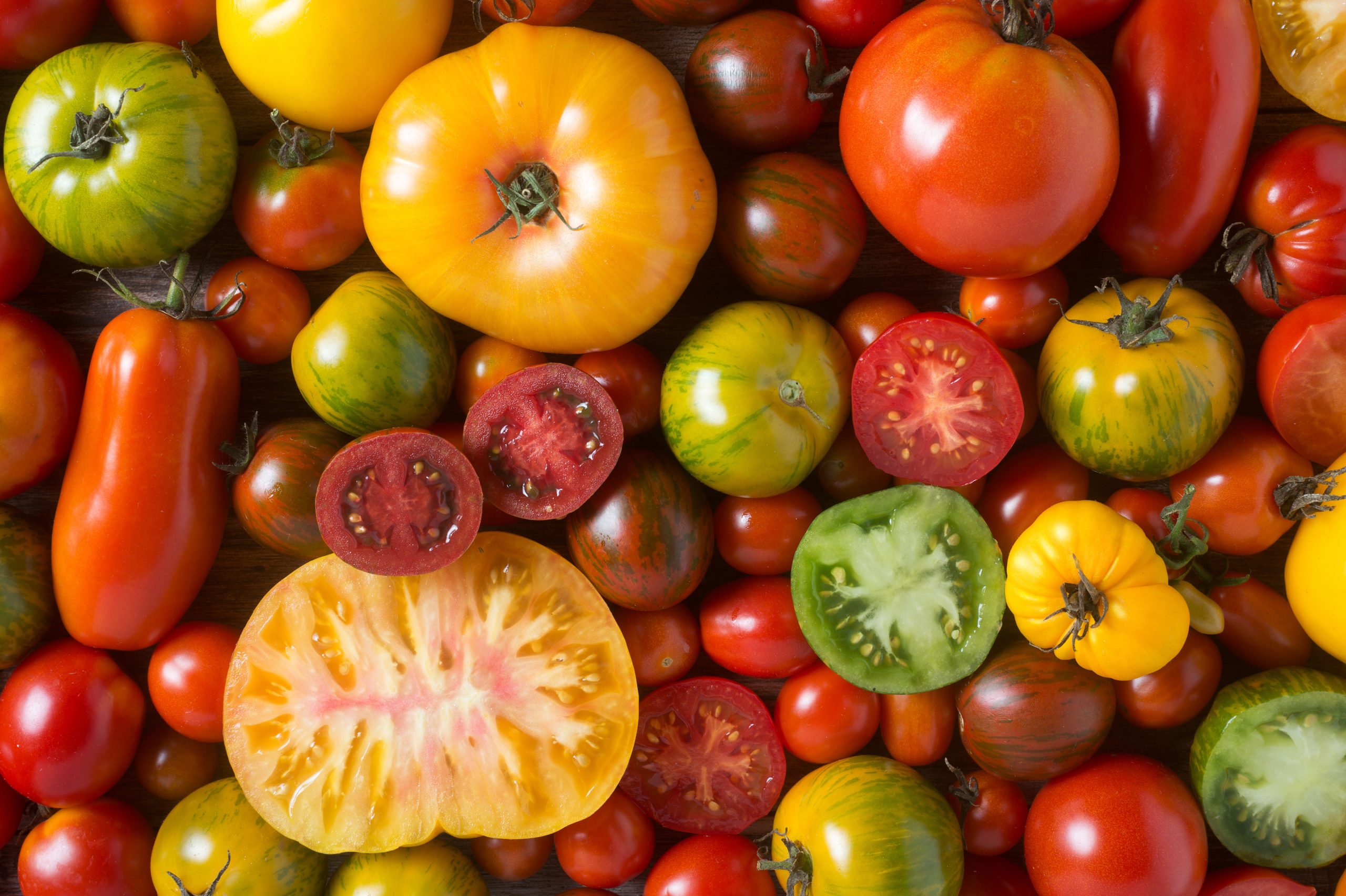
Tomatoes
It's Tomato Time!
Get excited for tomato season, it’s just around the corner. Tomatoes are one of the most popular summer crops amongst NC gardeners. They are fun to grow, highly productive, and diverse in size, color, and taste. Now is a great time to prepare your planting site and choose the tomato varieties that will best suit the needs of your family.
Tomato Plant Preferences:
- 70-80°F daytime temps
- Full sun (6+ hours of direct sunlight)
- Well-draining soil with a pH of 5.5-7.0
- 2 inches of water per square foot each week
- Generous spacing for airflow
- Physical supports
Site Prep:
Tomatoes do well in traditional garden beds, raised beds, and containers. Choose the sunniest spot near a water source, and if possible, conduct a soil test to determine soil pH. Add lime to raise the pH of your soil as needed.
Two weeks before planting, most gardens will benefit from 1-2 inches of compost incorporated into the top 6 inches of soil. When able, grow tomatoes where members of the nightshade family (tomato, pepper, eggplant, potato) have not grown in the last 3 years. This will help reduce soil-borne tomato disease and pest issues.
Planting:
While you can start tomato seeds indoors 6-8 weeks before transplanting, most gardeners prefer to buy transplants from a nursery and plant them directly outside after the danger of frost. This ideal planting time will be mid-April for Eastern/Central, NC and May for Western, NC.
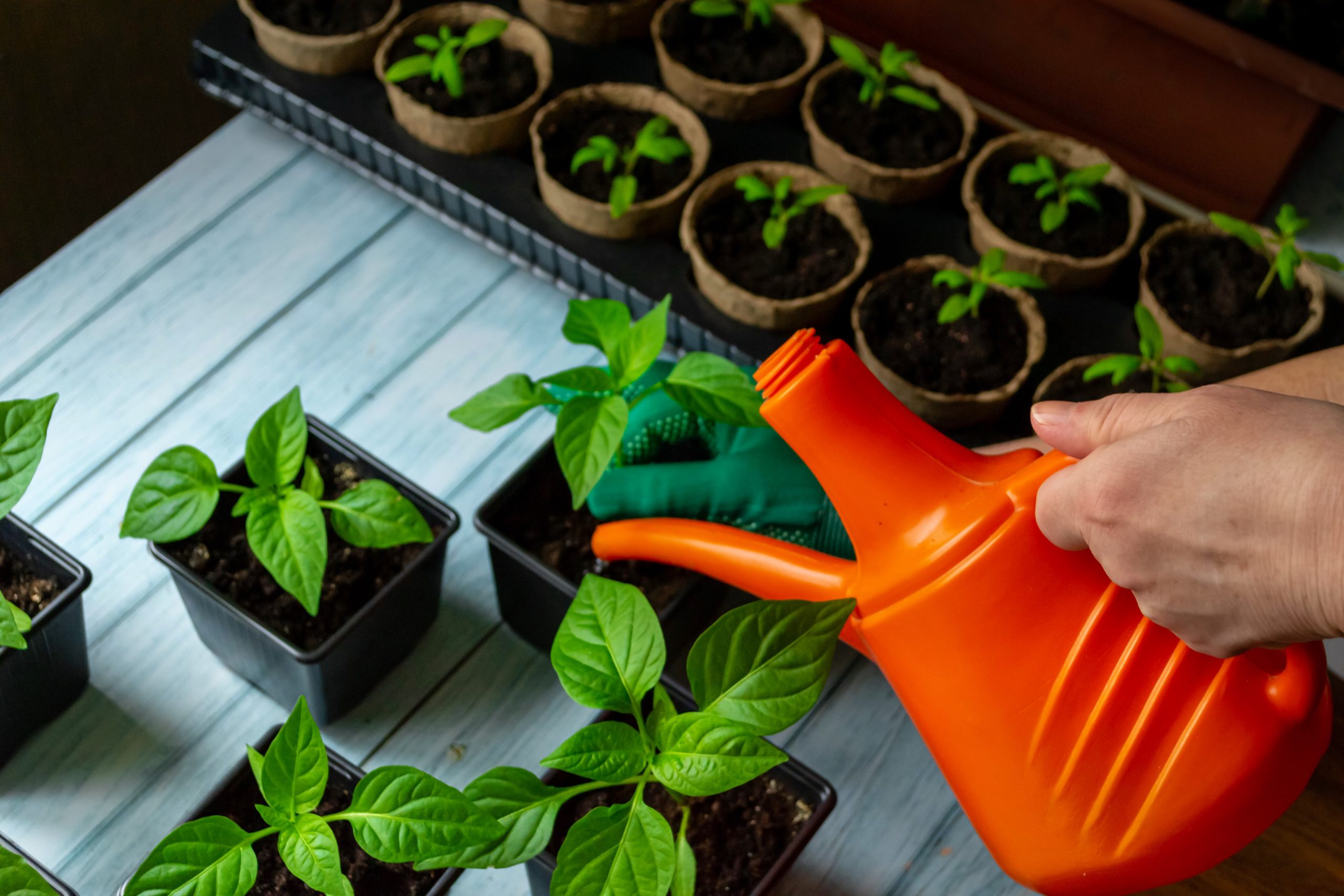
Planting Tips:
- Space plants 2-3 feet apart depending on variety. Airflow reduces disease.
- Bury tomato plants up to their first leaves. Roots grow from the buried stem, which creates a stronger base. If you don’t have enough depth, dig a 4 inch trench and cover the stem sideways.
- Place tomato cages or stakes in the soil at the time you plant. This will keep the fruit off the ground, and is much easier to do at the start.
- Water generously, aiming for the roots and avoiding the leaves.
Tomato Varieties:
There are thousands of tomato types to choose from. It can feel overwhelming so start by trying 3-5 varieties that do well in NC, and that are different in size and growth style. This diversity will provide an ongoing harvest and more recipe options.
Below are a few favorites.
- Sungold Cherry Tomatoes: Sweet, orange, bear many small fruits early and all season. Great for kids and salads.
- Cherokee Purple: Heirloom, large, rich sweet flavor, dusky purple-pink. Great in caprese.
- Red Brandywine: Large, beefsteak shape, red, meaty, juicy. Great for sandwich slices.
- Dwarf Blazing Beauty: Shorter plant, medium size fruit, orange, a bit tart. Nice for smaller gardens or pots.
- Lemon Boy Hybrid: Mild flavor, yellow, medium size fruit, thrives in the ground.
- Better Bush: Strong, compact plant, medium size fruit, red. Great for containers.
Learn more about tomato varieties and return next month to learn about tomato plant maintenance, pests, and companion plants.
To the Kitchen:
Tomatoes make the perfect summertime kitchen companion. They complement a variety of other summer herbs and vegetables, and can be added into any cuisine. Freshly grown tomatoes picked ripe off the vine offer a burst of flavor for your summer kitchen. Thanks to the antioxidant lycopene, tomatoes have a bright red color and help protect the body against both heart disease and cancer. Tomatoes are also full of vitamin C, potassium, vitamin A, and vitamin K.
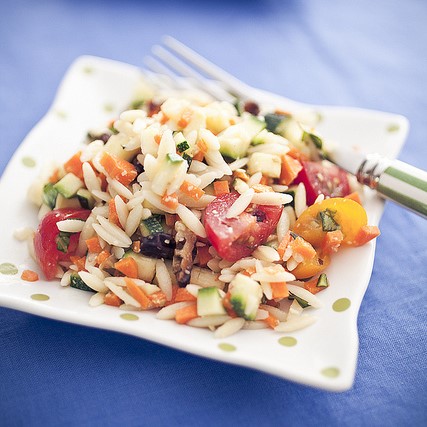
Try your freshly grown tomatoes in these delicious recipes:


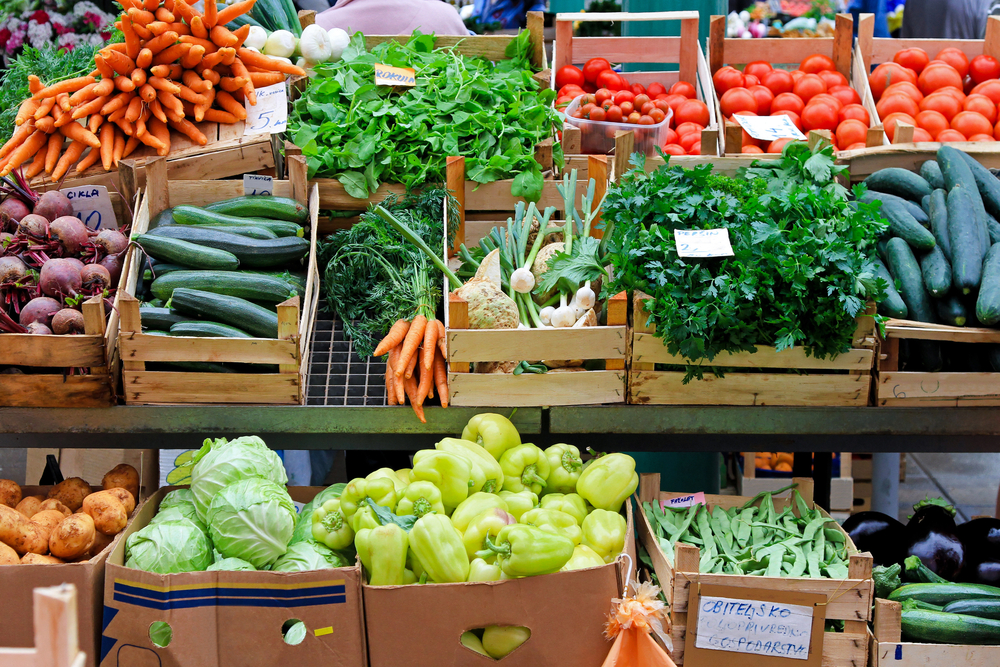
Farmers Markets
Farmers Market Kickoff
Get ready to get local! Many farmers markets around the state kickoff their produce-selling season in April or May. Other year-round markets tend to increase their hours during these months to accommodate more farmers and larger harvests.
Why choose the farmers market over the grocery store?
- Health Benefits: The fruits, veggies, meats, and many other goods that are often available at farmers markets tend to stay fresh longer because they have not had to travel as far. Fresh local foods are often more colorful, more delicious, more nutritious, and are not loaded with preservatives. This makes these foods better for your health and the environment.
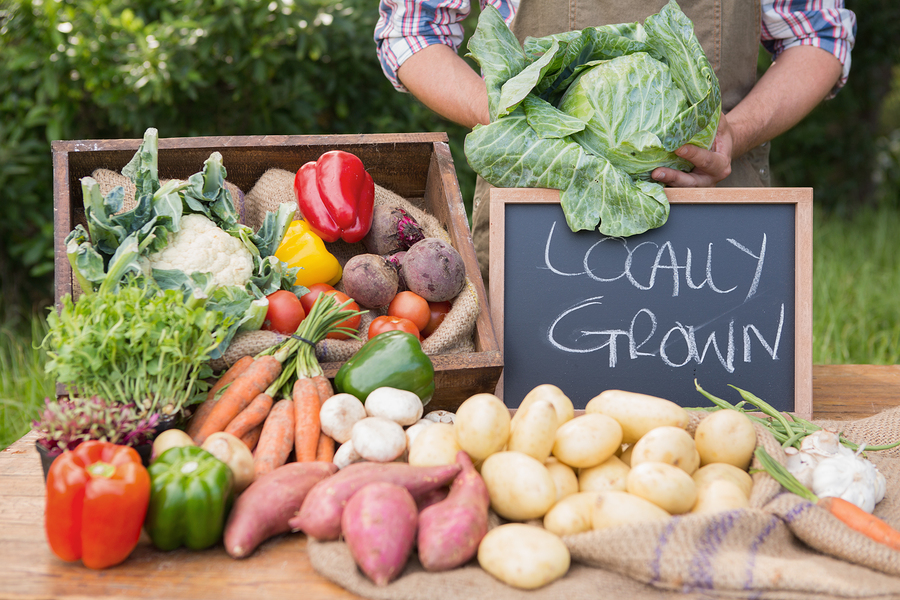
- Better Deals: You often can get more bang for your buck at farmers markets. In times of plenty, small-scale farmers need to sell their product directly to individuals because they lack large-scale distribution ability. This means, in-season high-quality produce can cost less than its supermarket equivalent.
- Double EBT Dollars: An increasing number of markets are accepting, matching, and even doubling EBT dollars. For example, spend $5 of EBT and get $10 worth of food. Find which markets take EBT.
- WIC & Seniors Coupons: The Farmers Market Nutrition Program (FNMP) is also issuing coupons to eligible low-income participants to increase access to locally grown products. Learn more about WIC coupons and Senior coupons.
- Family Fun: Farmers markets tend to be a lively community event bringing people of all ages together. You can enjoy live music, playgrounds, arts and crafts, and grassy patches for picnicking. Take the whole family and make a day of it.
What’s at the market now?
Right now at your local farmers market you will find collards, spinach, herbs, sweet potatoes, peanuts, asparagus, and other cold season crops. Use this chart to see what will be in season for each month. For example, strawberries are just a month away and will be available in mid-April.
Beyond fruits and vegetables, you can also purchase locally sourced honey, eggs, meats, brews, baked goods, jewelry, dog treats, flowers, soaps, and so much more. Most market websites give you a good idea of what’s available through a list of vendors.
What is a CSA? Should I join?
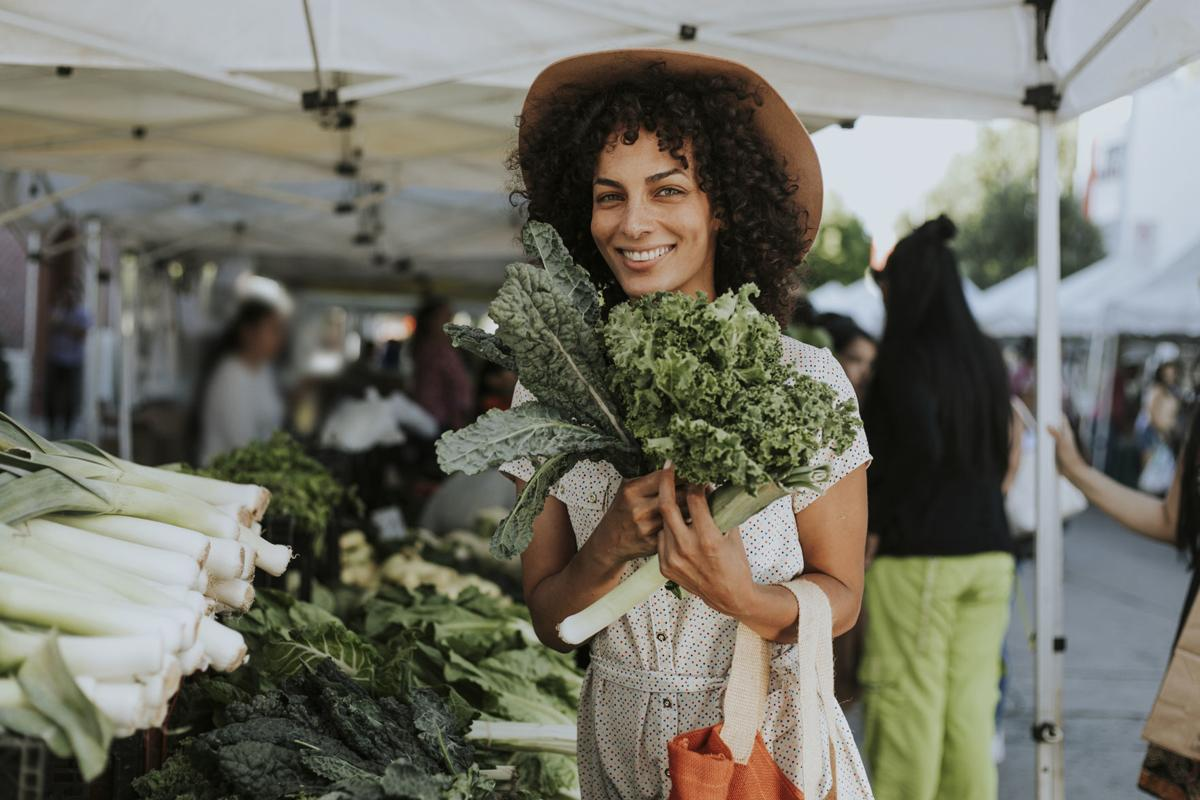
CSA stands for Community-Supported Agriculture. Some farms at the market offer CSA membership options in which you pay a certain amount regularly and get a pre-packed box of produce on a weekly or monthly basis. This is a great way to simplify shopping, save money, try new recipes, and help sustain small-scale farms. Some even offer delivery options.
Check out your market website or talk to farmers directly on market day to learn more.
Find a Market Near You
Download the Visit NC Farms app to locate nearby farms, markets, fisheries, and activities for the whole family.
Farmer's Spotlight: Richardson Herbal Farm
This month, Poe’s Garden to Kitchen highlights Richardson Herbal Farm in Bladen County, NC. We spoke with lead farmer Linda Tyndall to get her insights on growing herbs.
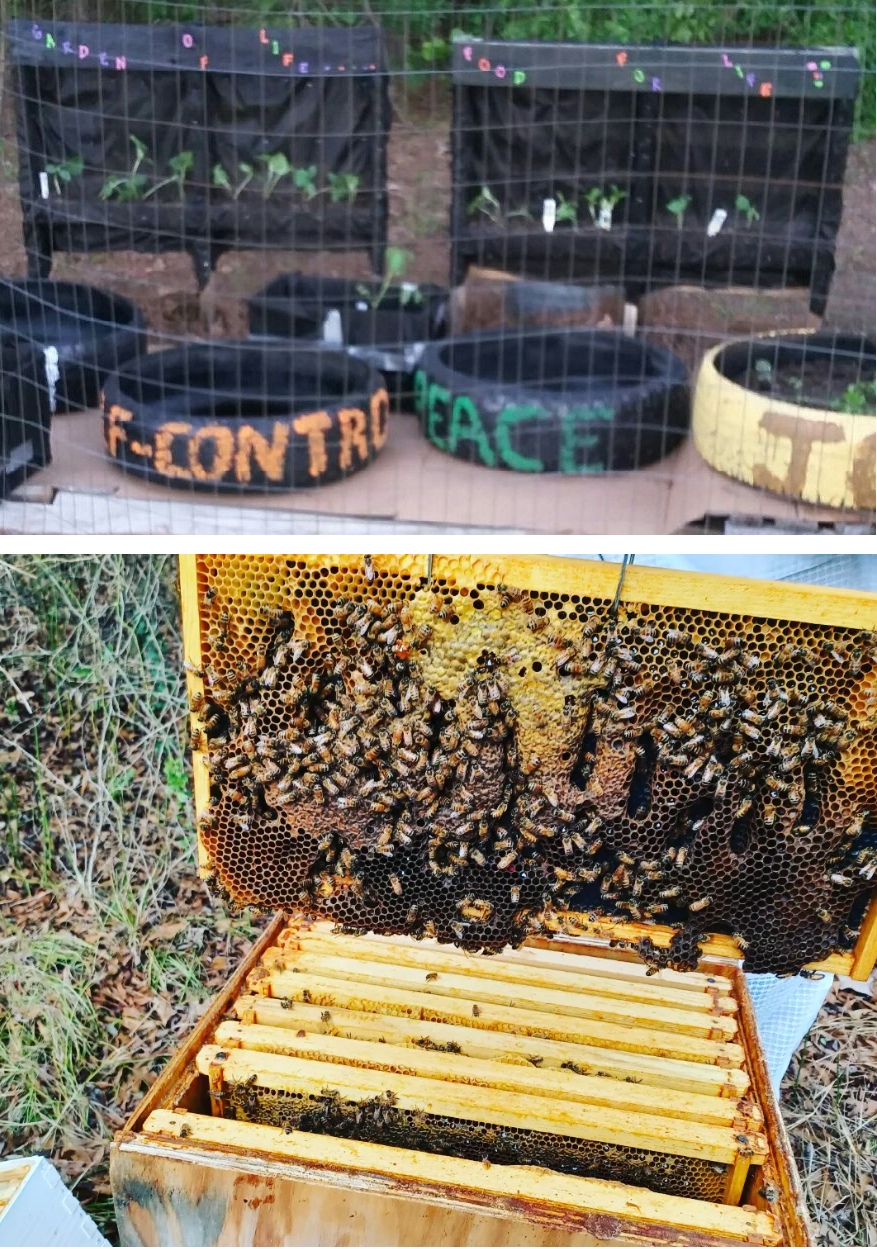
At her family farm, Tyndall grows a variety of herbs including rosemary, thyme, sage, chamomile, mint, and mullein. In addition to herbs, they also grow produce and have a growing beehive. Containers, box gardens, and repurposed old tires are used to create garden beds.
Tyndall makes tinctures, soaps, and teas from the herbs she grows and sells them on-site at her farm and at the Robeson County Farmers’ Market. She also travels to the Black Farmers’ Market in Raleigh and Durham.
Herbal farming has been instrumental in Tyndall’s life since birth. She grew up on a farm, and her family always used herbal remedies for illness. Tyndall believes that everyone has natural and spiritual connections to plants. This connection drives her passion to share her gifts with the community.


Richardson Herbal Farms has generously provided community members with extra produce during the pandemic. Additionally, they plan to do community outreach and workshops in the near future. Tyndall would like to continue helping people from the inside out to become whole, and encourage youth to recognize that food helps healing.
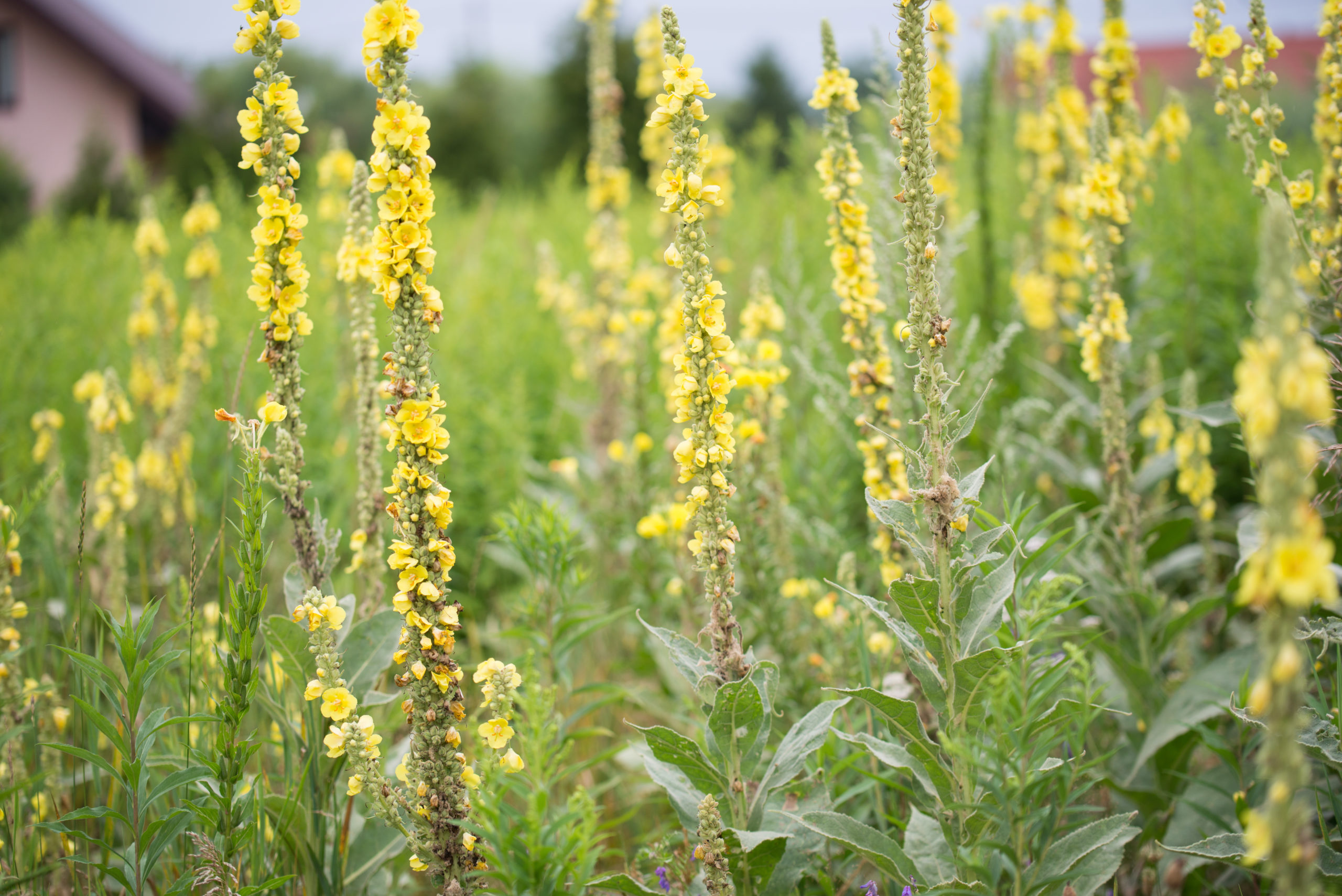
Favorite Herb: Mullein
Tyndall favors mullein because it has small, fuzzy hairs that are similar to the cilia in our airways. This herb is traditionally used to support the respiratory system.
Tips on Herbs/Favorite Recipes:
Tyndall’s favorite way to eat herbs is to mix fresh herbs into salads for added flavor. She loves mixing cilantro, basil, sage, and oregano together in salads.
For more information on how you can purchase items from Richardson Herbal Farms, e-mail richardsonherbalfarm@gmail.com.
Guest Author: Catherine Wills, Assistant Garden Specialist
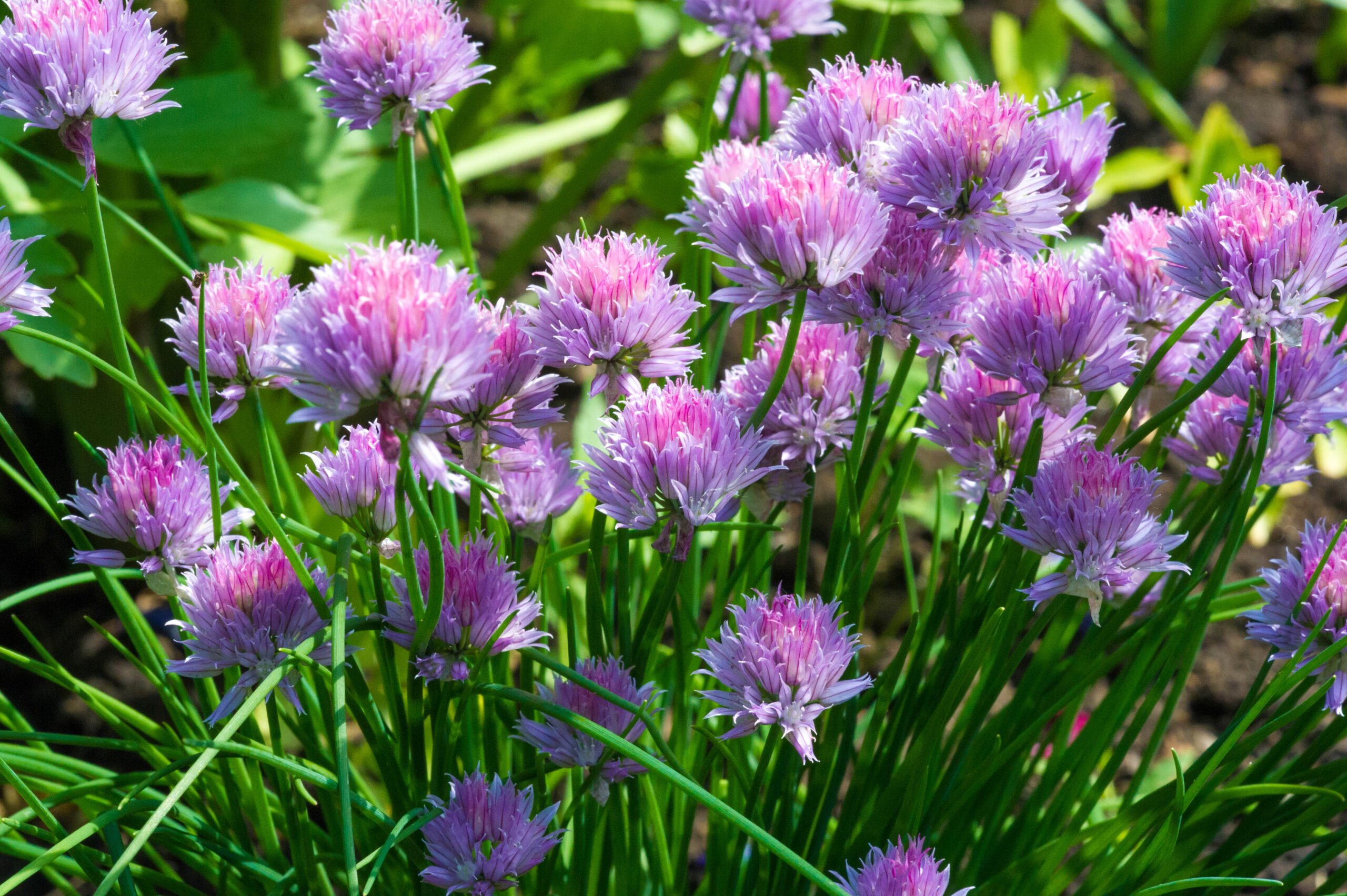
All About Chives
You may find that chives are the last herb standing in your herb garden. This is because chives are surprisingly tough. They are cold and drought tolerant.
Read below for more fun facts, tips, and uses for chives.
Chives Facts:
- Chives are a perennial herb meaning they come back year after year.
- Chives are in the onion family. They grow from underground bulbs in clumps.
- Chives have long hollow leaves and produce edible purple flowers in the spring. You can eat the whole plant!
- Eating chives can help improve heart and bone health, as well as boost your immune system.
Chives Tips:
- How to harvest – regularly cut leaves 1-2 inches from the base.
- How to store – best when fresh, but store in a ziplock back in the fridge or freezer to make them last longer.
- How to divide – in the spring, dig down to the bulbs of your outdoor chive plant and pull a clump of 10+ bulbs away from the group. Plant this bunch in a new spot. Repeat every 2-3 years.
Chives Uses:
- Create a chive border outside – divide chives over the years and transplant along the edge of a garden bed. The border will be edible, beautiful, and may even deter some pests.
- Clip chive flowers in the spring to make a lovely bouquet.
Now that you’ve learned all about chives, experiment with chives in these fun recipes!

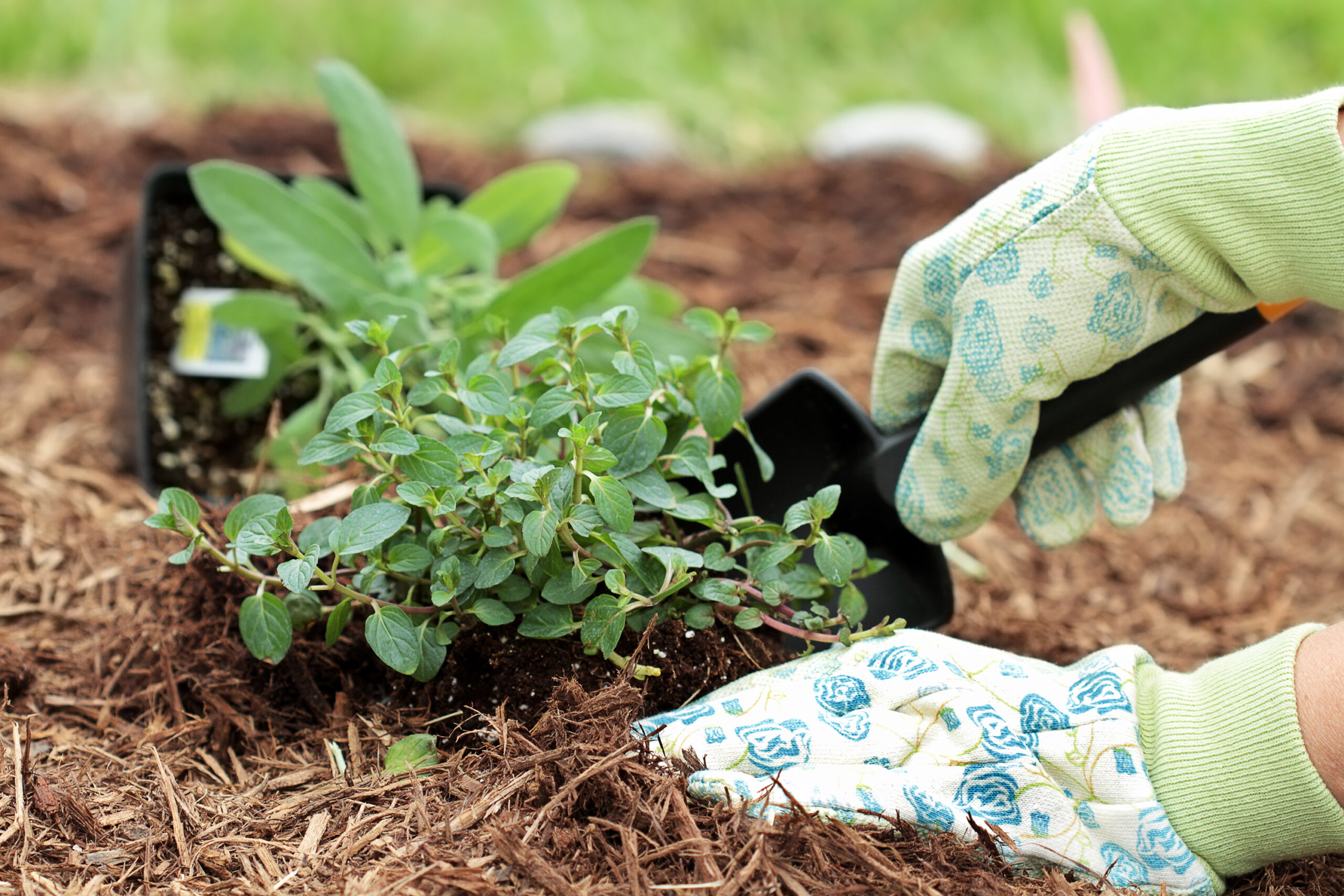
Tips for Winterizing Herbs
As daily temperatures and sunlight decrease you may be wondering if your herbs will survive. With the right care, many of them can!
Tips to Help Herbs Survive Fall and Winter:
If your herbs are indoors…
Keep them indoors in a nice sunny spot. The best growing temperature is 60-70F. If an extra cold night is predicted, pull your herbs away from the window about 6 inches to keep them cozy. It’s also a good idea to move herbs away from any heat vents to avoid drying out.
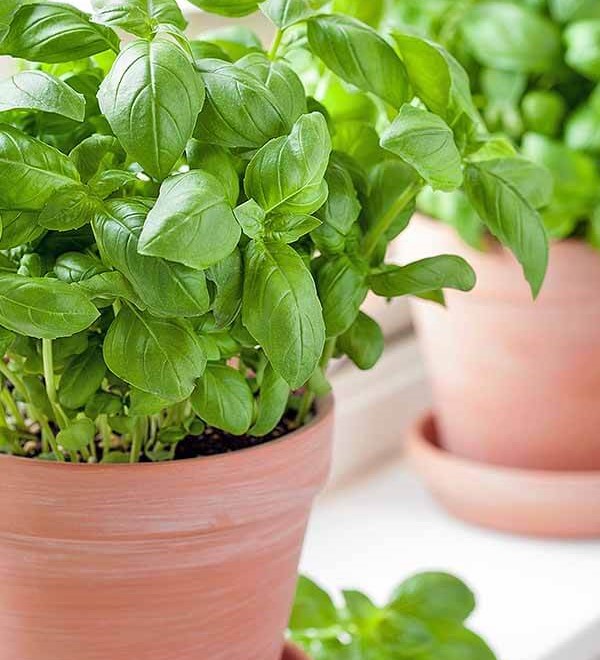
If your herbs are outdoors, a few options are…
- Dig them up and bring them inside. You can do this in stages. Transfer your herbs to pots, water well, leave the pots outside in partial shade for 1-2 weeks, and then bring them in. This is especially recommended for your parsley.
- Leave cold-tolerant herbs outside and winterize. A layer of organic mulch 2-3 inches thick around the base of the plant will help protect the roots from cold damage. In the spring, you should see new growth emerge. This technique works well for chives, oregano, and thyme but will not work for tender annuals like basil.
- Take cuttings and root them indoors. Herbs like basil, rosemary, and lavender can grow roots easily from clippings.
- Cut at a node (where leaves attach to the stem) around 4-6 inches from the top of the plant.
- Remove lower leaves. Place in water.
- After a few weeks, roots should appear, and it’s ready to be planted in a pot with soil.
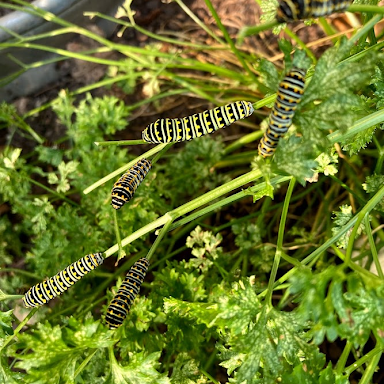
Parsley is so delicious that sometimes black swallowtail caterpillars eat it down to the stems in a matter of days. Amazingly, parsley can recover. Harvest and enjoy when the plant looks lush again.
Try this delicious recipe for Parsley Puree. Use it as a dipping sauce, spread on sandwiches, or drizzle on top of a protein!