

The Impact of Youth Empowerment
The Impact of Youth Empowerment
Virginia Johnson
Substance Use Prevention Senior Director
Poe Center for Health Education
As parents, we want our teens to feel confident, capable, and connected—to believe that their voices matter and that they can make a positive difference in the world around them. Youth empowerment programs help make that possible by giving young people meaningful opportunities to learn, lead, and take action alongside supportive adults.
Youth empowerment isn’t just about leadership and public speaking. It’s about helping teens build confidence, develop skills, form healthy relationships, and discover that their ideas and perspectives truly matter.
What is a Youth Empowerment Program?
Youth empowerment programs provide a vehicle for teens to positively influence their communities. As Ayush Avaiya, a 10th grader, shared, “Youth empowerment is a way to be influential to our community and grow personally alongside it.”
Many teens feel unsure or nervous at first when joining a Youth Empowerment team. Ayush described feeling hesitant when he initially joined, but over time—and through participating in meetings, events, and preparing for the Youth-Led Tobacco-Free Community Forum—he realized the impact youth can have when they work together. Through youth empowerment, he gained skills in “public speaking, communication, message delivery, and, most importantly, teamwork.”

Building Confidence Through Purpose and Belonging
For many teens, involvement in a youth empowerment program provides something essential: a sense of belonging and purpose. Shreena Patel, a 9th grader, joined because she noticed young people in her community struggling with mental health, confidence, and issues such as vaping and self-harm.

Shreena explained, “Being a part of a team makes you a lot more confident, teaches new things, and shows how I can help my community.” Through volunteering to teach younger children about traffic and road safety at PoeFest, Shreena strengthened her communication skills and learned that empowerment also means helping others learn and grow. “It helps to know that I can make a difference with the youth empowerment team because we all help each other out.”
Speaking Up and Being Heard
Youth empowerment programs support teens in expressing their ideas and advocating for change. Uma Kuncha, an 11th grader, described youth empowerment as “a unique opportunity that serves as an avenue for youth advocacy and education regarding numerous community issues.”
Motivated by opportunities such as the Youth-Led Tobacco-Free Community Forum, speaking on panels, and advocating for policy change, Uma joined to promote positive substance use prevention efforts. Through completing Photovoice projects and public speaking, she gained confidence and learned the power of teamwork. “It is incredibly rewarding to be a part of a team of passionate peers who encourage each other and share my same interests, striving for a better community.”
Similarly, Ajani Doss, a 9th grader, shared that youth empowerment gives young people “strength and hope” and “encourages them to share their voices and fix problems they notice in their communities.” Even after joining just this year, Ajani states he is learning how to choose effective tools for change and sharpening his ability to articulate ideas.
Real‑World Experiences That Make a Lasting Impact
Youth empowerment creates meaningful, real‑world experiences that teens carry with them into adulthood. Yashasvi Saxena, a 10th grader, described youth empowerment as “joining a group of teens who are committed to making a real impact.”
One of Yashasvi’s favorite moments was speaking at a Raleigh City Council meeting about a proposed tobacco‑free ordinance. “Having the chance to address an issue I see every day at my school and in my community was an incredible opportunity,” she shared. That experience strengthened her public speaking skills and gave her firsthand experience engaging with local leaders.
Strong youth empowerment programs don’t happen by accident. They succeed through intentional partnerships between youth and adults that create an atmosphere where young people feel supported and empowered to share their stories and ideas. When youth understand expectations and serve as key leaders in decision-making, they are more engaged and confident.
Strong youth empowerment programs:
-
- Increase confidence and communication skills,
- Strengthen leadership and teamwork abilities,
- Feel connected to peers and their community, and
- Advocate for themselves and their communities.
When young people are supported, heard, and trusted, incredible things happen.
Resources:
- Hart, R. A. (1992). Children’s participation: From tokenism to citizenship (Innocenti Essay No. 4). International Child Development Centre.
- Olsen, P. (2010). Adult 4-H volunteer empowerment in 4-H youth development settings (Doctoral dissertation, Oregon State University). ProQuest LLC. Adult 4-H volunteer empowerment in 4-H youth development settings.
- Youth Empowerment Solutions. (2020). Tip sheet #1: Teacher’s guide to success. University of Michigan School of Public Health. Youth Empowerment Solutions.
Featured Program:
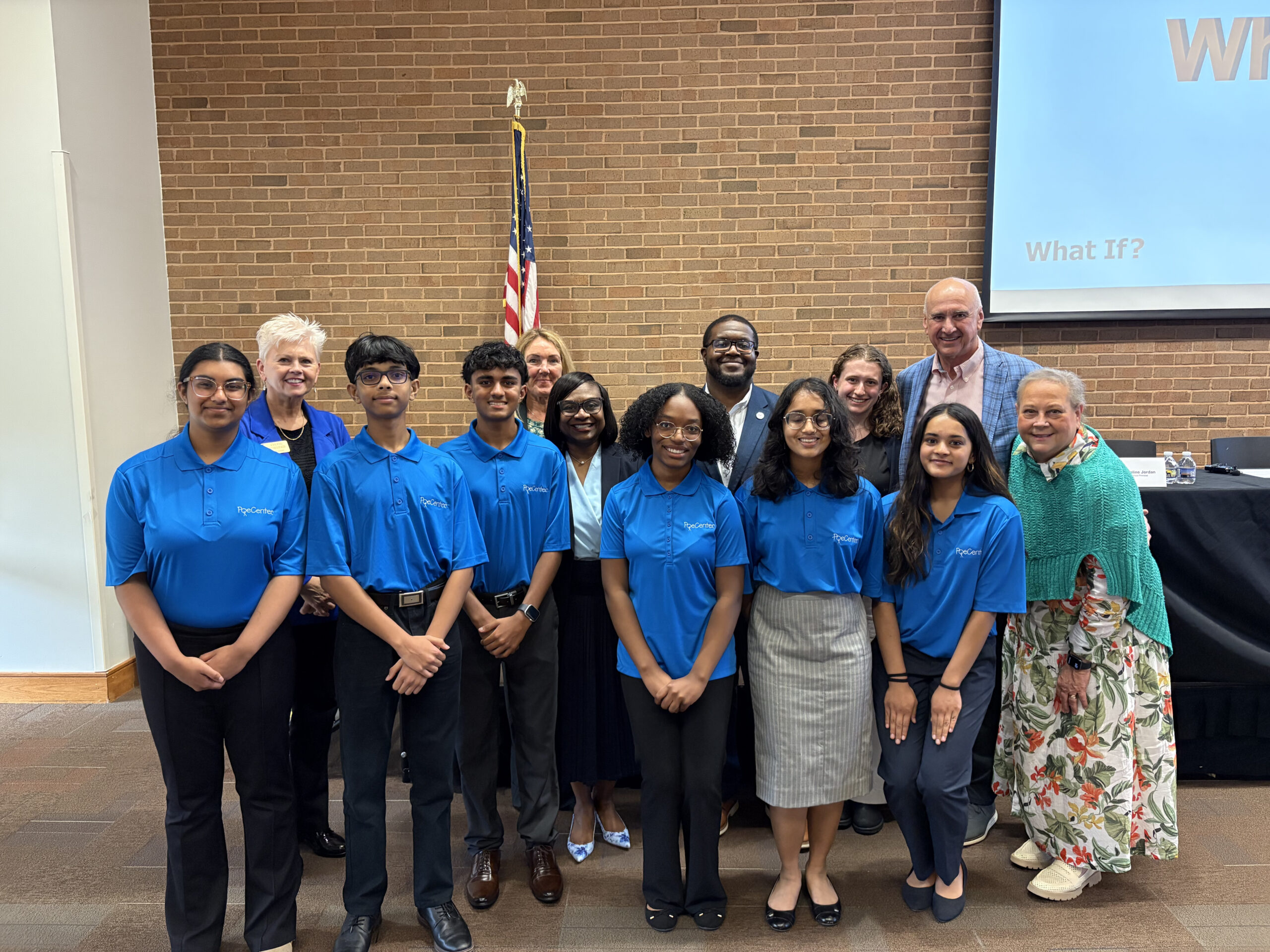
The Poe Center is welcoming 8th-12th grade students to join our Youth Empowerment Teams. Youth Empowerment Team members have the opportunity to:
-
- Enhance public speaking, communication skills, and advocacy.
- Build public health based resume experiences and skills.
- Practice leadership skills and gain experience.
- Earn community service hours.
- Be a positive role model and influence change in your community.
- Meet new people and make friends across NC.
For more information, contact Tamika Gilchrist.

What Adults Can Do to Prevent Underage Drinking
What Adults Can Do to Prevent Underage Drinking
Virginia Johnson
Substance Use Prevention Senior Director
Poe Center for Health Education
Underage drinking costs North Carolina an estimated $1.5 billion annually in medical care, lost productivity, and related consequences. One person dies each week in North Carolina as a result of underage drinking. Two out of three youth report that alcohol is easy to access from their home or the home of a friend or relative.
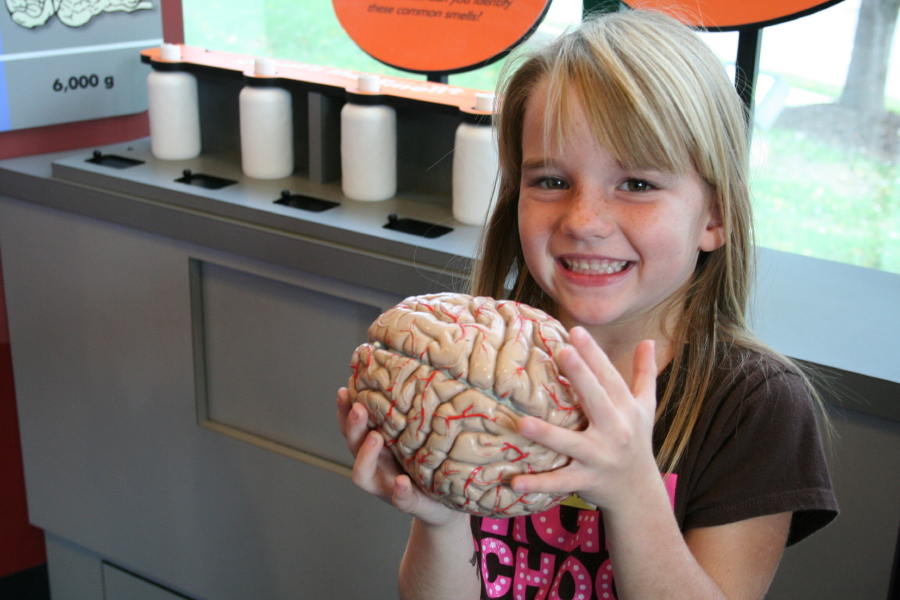
A human brain is not fully developed until a person is in their 20s, and while the brain is still developing—especially in the teenage years—it is more susceptible to the negative effects of alcohol, including addiction. Nine out of ten adults with alcohol addiction began drinking before the age of 18.
Starting Conversations and Setting Expectations: The Role Adults Play
Adults play a critical role in shaping the habits and choices of children. Research shows that talking to youth about underage drinking, clearly expressing disapproval, and taking steps to prevent access are strong predictors of whether a young person will choose to drink before age 21. Adults can reduce youth access to alcohol and strengthen their future by securing and monitoring alcohol in the home.
Talking to your child about underage drinking isn’t always easy, but it is one of the most powerful ways to protect their health and safety. Your words matter. When students are asked who their biggest influence is, the majority say their parents. They are listening, even when it seems like they are not.

Your expectations matter. Youth thrive when they know exactly where the adults in their lives stand. Let them know you do not approve of underage drinking, and explain why. Creating a family contract that outlines expectations and consequences is an effective way to establish clear boundaries. A contract also helps families agree on, and consistently follow through with, these expectations.
Ask, Then Listen
Your relationship with your child matters. It is important to talk early and talk often. This is not just about a single conversation where you list risks and sign a contract. It is also about ongoing dialogue and the small, meaningful “nuggets” shared along the way.
You don’t need a formal speech. Everyday moments such as driving in the car, watching a show, or cooking dinner can be natural opportunities to check in.

Ask open-ended questions, such as:
-
- “What have you heard about alcohol?”
- “What would you do if someone at school offered you a drink?”
- “Do you ever feel pressure to use alcohol?”
Then, listen without judgment.
As adults who are surrounded by young people and serve as role models, it is also important to model responsible behavior and to monitor and secure alcohol in the home. The home is the number one place youth access alcohol. Store alcohol in safe places that are not visible or accessible to youth.
Monitor by taking inventory and regularly checking any alcohol in the home; and secure by locking up the area where you keep your alcohol.
Talk It Up, Lock It Up!™
Through Talk It Up. Lock It Up!™, the Poe Center partners with community organizations to provide parents and caregivers with conversation tips, educational tools, and practical items, such as locks for liquor cabinets, coolers, beer fridges, and even individual bottles, to help secure alcohol in the home.

Take the pledge to Talk It Up. Lock It Up!™ and encourage others to take the pledge and start the conversations with your child today.
Want to do more? Spread the word. Share the following videos from Talk, They Hear You with examples of conversation starters on your social media.
Sources
- Alcohol & The Adolescent Brain: Immediate Impairment, Long-Term Consequences. (n.d.). Alcohol & The Adolescent Brain: Immediate Impairment, Long-Term Consequences
- Centers for Disease Control and Prevention (CDC). 1991-2021 High School Youth Risk Behavior Survey Data.
- NC Preventing Underage Drinking Initiative – North Carolina Preventing Underage Drinking Initiative (NCPUDi). (2016). Ncpudi.org.
- SAMHSA. (2024). Talk. They Hear You: Underage Drinking Awareness Campaign. Samhsa.gov. Talk. They Hear You: Underage Drinking Awareness Campaign.
- (2022). Talk It Up. Lock It Up. Talk It Up. Lock It Up.
Featured Program:
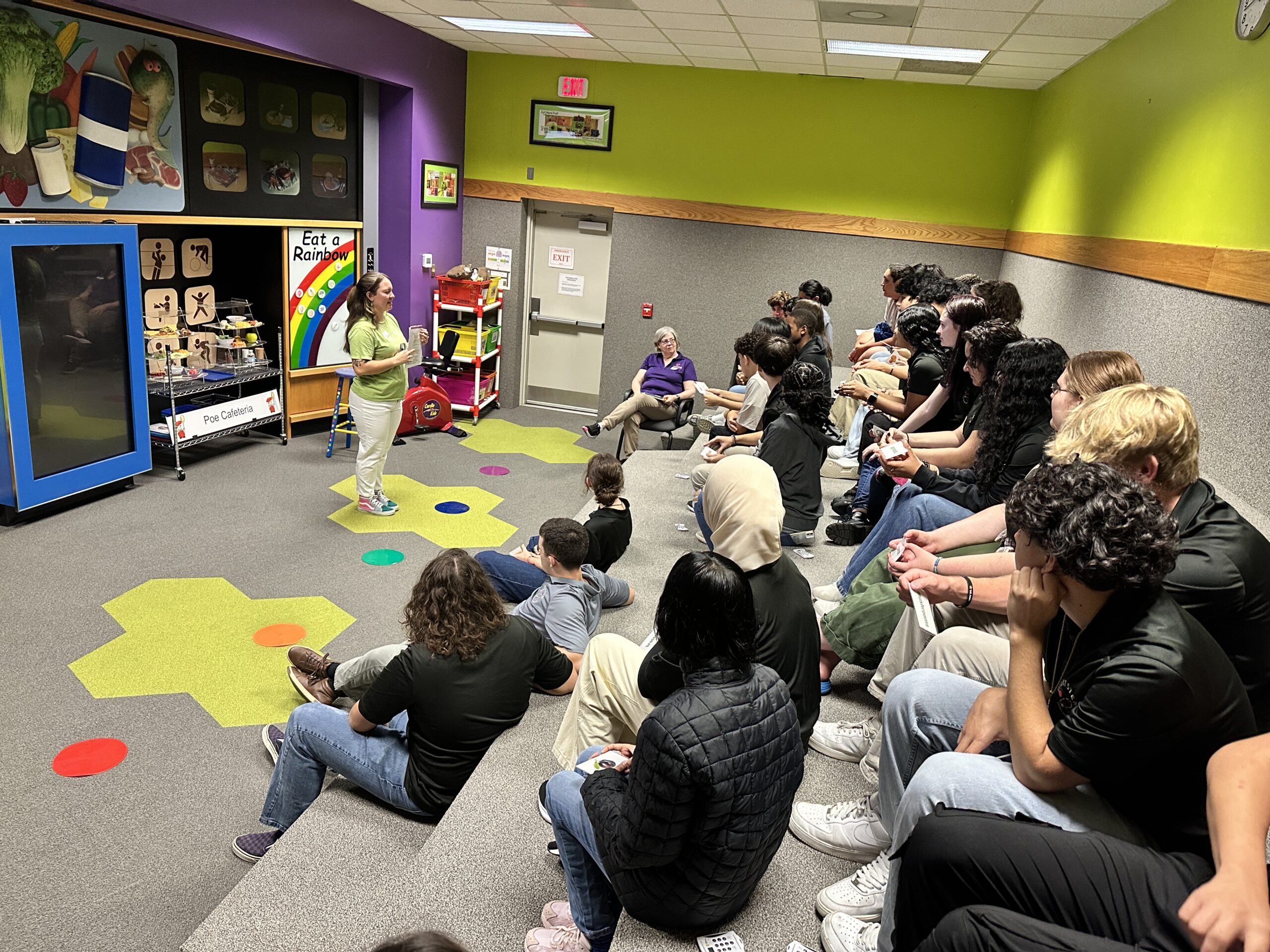
Our #YouthCulture program series is designed to empower parents and guardians by providing insight into the environment and culture around youth. This 6-part workshop series explores how the developing adolescent brain shapes perceptions and behavior.
Session Topics: Adolescent Brain Development and Addiction, Adolescent Brain Development and the Role of Social Media, E-Cigarettes 101, Healthy Teen Relationships, and Opioids 101.
Program Participants: Adults
Program Length Online: 75 minutes | Program Length In-Person: 2 hours

Featured Activity:
The goal of the Talk It Up. Lock It Up!™ campaign is to encourage parents and adults in the community to secure and monitor alcohol in their homes. Led by youth, communities across North Carolina have had thousands of pledges signed by parents and adults who agreed to lock up the alcohol in their homes.