

The Poe Center's 2025 Annual Awards
The Poe Center's 2025 Annual Awards
Each year, the Poe Center recognizes individuals and organizations in our community who helped make significant contributions to advancing our mission to “educate and empower children, youth, and their families to make healthy choices.” Their support is critical to our success.
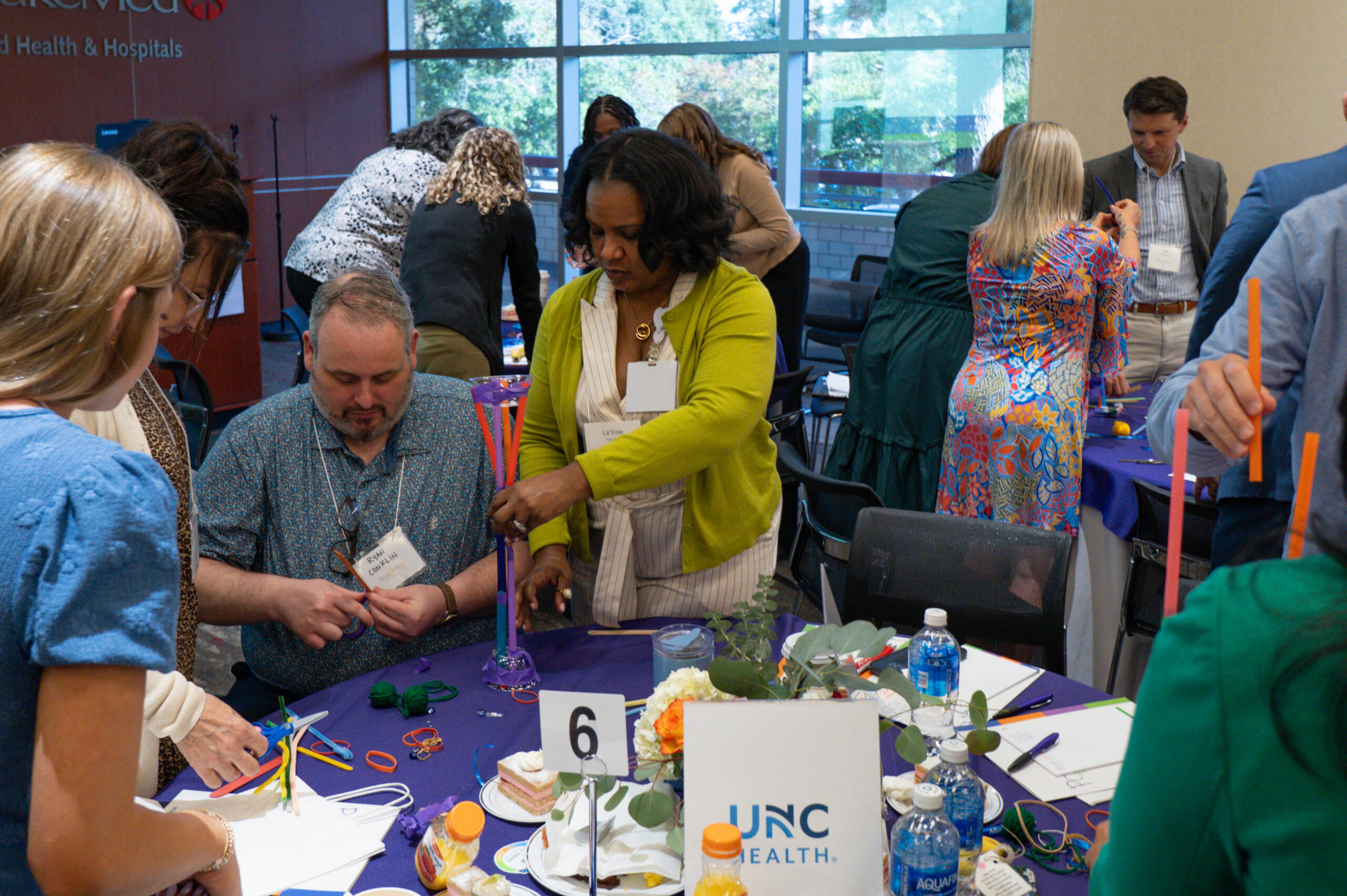
We are pleased to announce this year’s recipients of our Annual Awards. Recipients were recognized during the Poe Center’s annual meeting and VIP conference held in September.
Thank you for supporting the health and well-being of North Carolinians. Congratulations!
Faye L. Miller Distinguished Service Award
This award was established to honor a board member or volunteer who demonstrates exceptional service, dedication, and commitment to the Poe Center. The first distinguished service award was presented to founding patron Faye L. Miller. Following that presentation, the award was renamed in her honor.
Adrianne Edmonds Poe
Since establishment, the Poe Center has been fortunate to have a member of the Poe family to serve on the Board of Directors. Adrianne Poe has volunteered to serve in that capacity for the past six years. She is committed to our mission and has provided our organization with legal expertise and a passion for health and wellness. Adrianne has also helped with our statewide presence in the Triad region. During her time on the Board of Directors, Adrianne chaired the Fundraising Committee for four out of her six years of service.
Max Ammons
Max Ammons was first introduced to the Poe Center when working on the construction of the CookWELL Kitchen project. Max was a great fit for the Board of Directors and became Board President soon after joining. He helped to shed light on an underrepresented topic, how buildings and structures can help to support the health and well-being of those that live, work, and play in them. The Poe Center greatly appreciates Max’s leadership and innovative work with the Board of Directors.
Travis Sissler
Travis Sissler joined the Board of Directors and brought years of experience regarding finances and strategic planning for the long-term sustainability of the Poe Center. Travis served on the Finance Committee for many years and spearheaded the movement to outsource accounting firms to ensure financial sustainability for the first time in Poe Center’s history. He brought valuable perspectives and expertise to his time on the Board of Directors.
Gordon Smith Jr. Award
In May of 1992, Shirley Lucey and Virginia Scanlan, co-chairs of the “Our Health… Our Future Campaign” created the Gordon Smith Jr. Award to commemorate the crucial role that the late Gordon Smith Jr. played in the development of the Poe Center during his last months of life.
The award is presented annually to an individual or organization whose outstanding support and leadership help secure the financial security of the Poe Center and perpetuates the Gordon Smith Jr. legacy.
Chad Setliff and UNC Health Rex
UNC Health Rex has been a dedicated partner with the Poe Center since our inception, 35 years ago. They have provided the Poe Center with many programming opportunities, supporting children and youth with much-needed expertise and funds to address many urgent health issues. The Poe Center is proud to call Chad and his team our Gordon Smith, Jr Awardee!
President’s Award
The work of promoting good health in North Carolina is aided by the support and dedication of many community partners. Each year, the Poe Center presents the President’s Award to honor the achievements of an individual or organization whose work over the past year shows a strong commitment to prevention and health education in our state.

Michelle Mulvihill
For over a decade, Michelle Mulvihill has worked alongside the Poe Center’s staff and Board of Directors to address the tobacco and vaping epidemic. Michelle has worked tirelessly with the municipalities in Wake County to pass the 100% Tobacco-Free/Smoke-Free written regulations. She works with our youth and staff to support the Wake and Johnston Co. Youth-Led Tobacco Free Conference each year.
Michelle is a Wake County leader and expert in tobacco-free laws and use in the county and schools. Additionally, she co-chairs the Wake County School Health Advisory Council that provides feedback and recommendations to the Wake County Board of Education on health curricula and health issues school-aged students are dealing with now. We are proud to honor Michelle with this year’s President’s Award.
Educator of the Year
This award honors a champion of physical education or health education in the schools. This teacher is someone who has worked closely with the Poe Center and others to implement, enhance or institute programs and policies that are supportive of healthy behaviors.
Marylaura Christopher-Rubin
Marylaura Christopher-Rubin plays the role of about 10 regular staff in Vance County. Her passion for educating the children of Vance County is always evident in every conversation. She is a go-getter and champion of student wellness and has partnered with the Poe Center to bring her vision of healthy students and families in Vance County to reality.
Marylaura has booked health-education programming for students and staff and has partnered with our gardening team to bring school gardens to four Vance County elementary schools. Marylaura is a fan of the Poe Center and speaks highly of our partnership in every setting.


How to be a Trusted Adult
How to be a Trusted Adult
Emily Hoover
Health Educator
Poe Center for Health Education
Do you serve as a “trusted adult” for a young person? Could you?
Youth need trusted adults to help them navigate challenges. A dependable, reliable adult can make all the difference. A trusted adult is someone who helps provide support to youth, offering opportunities for prevention and intervention around issues that impact them¹.
Trusted adults serve as protective factors, providing a safe harbor where young people can turn for guidance, support, and understanding. Protective factors are individual or environmental characteristics that promote the health and emotional well-being of children and adolescents². Examples of a trusted adult may include a parent, aunt or uncle, grandparent, teacher, coach, school nurse, counselor, health care provider, school administrator, a community faith-based leader, or a Poe Center educator.

The common thread among trusted adults is their commitment to listening and engaging with youth, rather than lecturing or giving orders. They create an environment where open conversations can occur on important topics such as social media, mental health, vaping, puberty, alcohol, healthy relationships, bullying, and substance use.
It can be daunting to be approached by a young person looking for help. How do you handle it? You need to remember to be empathetic, open, supportive, and compassionate. You do not need to have all the answers. Listening, offering support, and connecting youth to resources are key roles of a trusted adult.
Here are tips for when you are approached:
1. Take concerns seriously. Young people struggle to take the first step of approaching a trusted adult – it takes a lot of courage to talk openly. Take their concerns seriously and if more support or resources are needed, seek out those resources for youth. Bridge the gap and honor them by caring for their concerns.
2. Talk openly and listen actively. Have open conversations with youth and know that your act of listening with a caring ear is powerful. Listen with the goal of understanding, rather than lecturing or giving directives³. It is important to keep the lines of communication open so you can have productive conversations with youth.
3. Be a role model. A young person is likely to talk to an adult that they consider a role model. Model healthy behaviors and values for youth to observe – youth may not show it but they take note of your behavior. Be a protective factor by modeling safe ways to have fun and engage in your community. Some examples include volunteering with youth organizations, exercising regularly, eating healthfully, or supporting your friends.
Trusted adults are a vital part of the support network for children and youth. Schools, community organizations, friends, and families each play a role in cultivating environments where young people feel seen, heard, and valued. By being a consistent presence and investing your time, you could become a positive force in a young person’s life.
How can YOU be a positive force in the life of children and youth?
The Poe Center can help.
At the Poe Center, programs consistently emphasize referring children and youth to these invaluable protective figures. The Poe Center has programs designed for parents and adults who serve youth, as well as programs for parents and adults to join together.
These programs are in the topics of bullying prevention, mental health, substance use prevention, navigating puberty and reproductive health, adolescent brain development, and overall wellness and nutrition.
See the Poe Center website for more information on adult programming that can help you be a trusted adult.

Work in the community helps emphasize the importance of trusted adults. For example, the Fuquay-Varina Coalition for a Healthy and Safe Community created the Be the ONE Trusted Adult Campaign to raise awareness about the critical role trusted adults play in the lives of youth. When young people have at least one trusted adult, they experience better overall outcomes.
In addition to raising awareness, the Be the ONE Trusted Adult Campaign partners with local high schools and invites youth to nominate teachers and school staff whom they consider trusted adults. Through the nomination process, students share why they feel each nominee is a trusted adult. These insights help us better understand the qualities they value in trusted adults. The campaign is a celebration of positive role models and encourages more adults in our community to become trusted adults.
The importance of trusted adults is invaluable. Become the best trusted adult you can be. Work individually and with the community to be a protective factor for youth. Together, these efforts strengthen the meaningful relationships that are vital to youth resilience and well-being.
Sources
- NAMI HelpLine. (2021). Who is a trusted adult? In NAMI HelpLine [Report]. Who is a Trusted Adult?.
- Centers for Disease Control and Prevention. (2022). Protective Factors in Schools. Division of Adolescent and School Health, National Center for Chronic Disease Prevention and Health Promotion. Protective Factors in Schools.
- National Alliance on Mental Illness. (2025, July 29). Be a trusted adult for young people in your life | National Alliance on Mental Illness (NAMI). National Alliance on Mental Illness (NAMI). Be a trusted adult for young people in your life.
Featured Event:
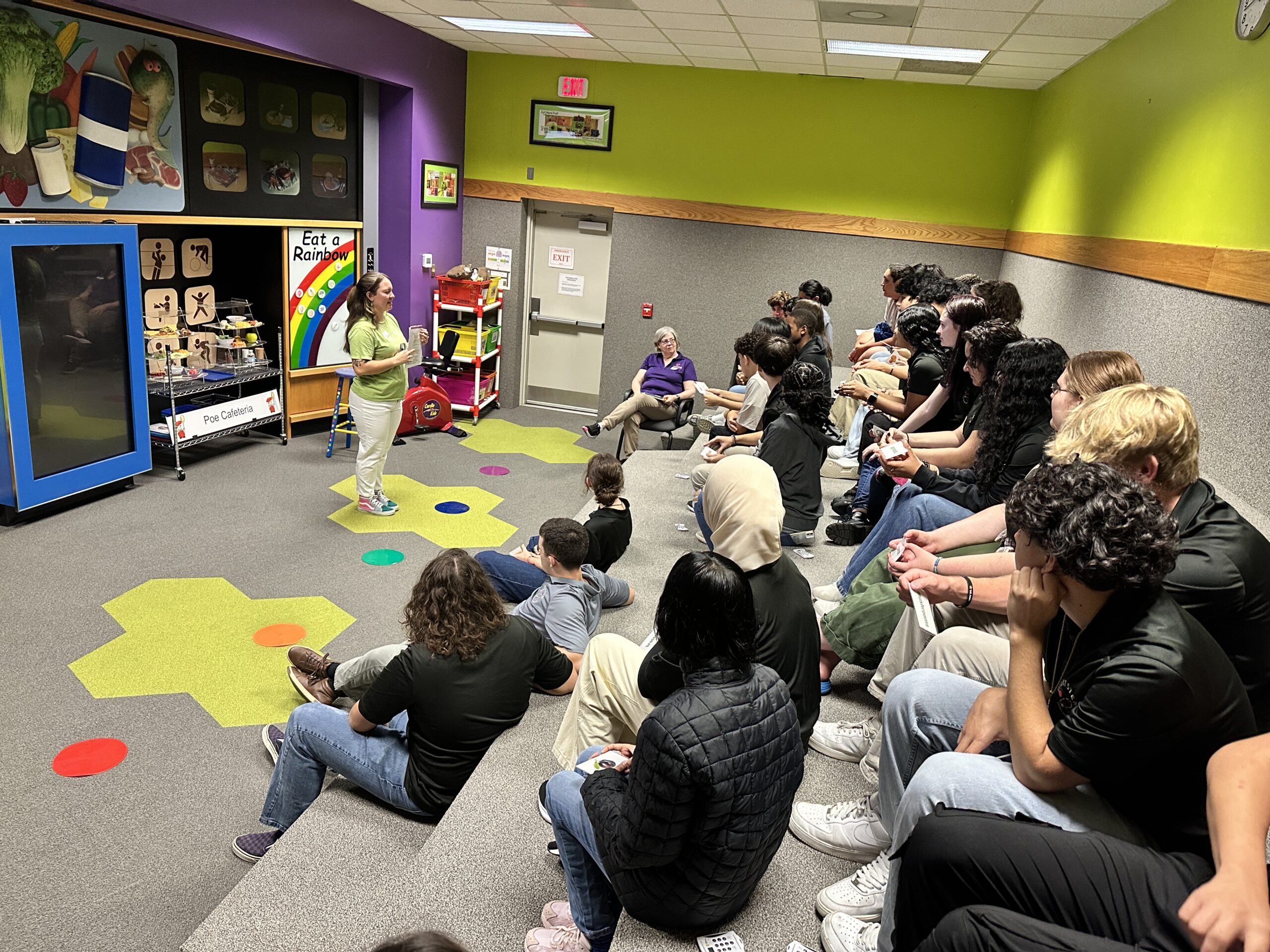
#YouthCulture: Adolescent Brain Development and the Role of Social Media examines the impact of social media on emotional, social and physical health. This program is intended for educators, health professionals, parents, other non-profit organizations, and any one else who serves youth in their personal or professional lives.
Sign up today to reserve your spot. This program is presented at no charge to attendees.
Date: Thursday, November 13, 2025
Time: 6:00 PM to 7:30 PM
Location: Poe Center for Health Education 224 Sunnybrook Rd Raleigh, NC 27610