Nutrition in the New Year: 10 Tips to Eat Healthier in 2021
Nutrition in the New Year: 10 Tips to Eat Healthier in 2021
By Lacey Anderson, MS, RD, LDN
With so much nutrition information floating around, it can be tough to figure out the best way to make healthier choices in the New Year. Our advice is to start small and remember the basics of healthy nutrition. Research shows that simple, everyday changes add up to make big impacts on your health. Here are some simple tips for a healthier new year!
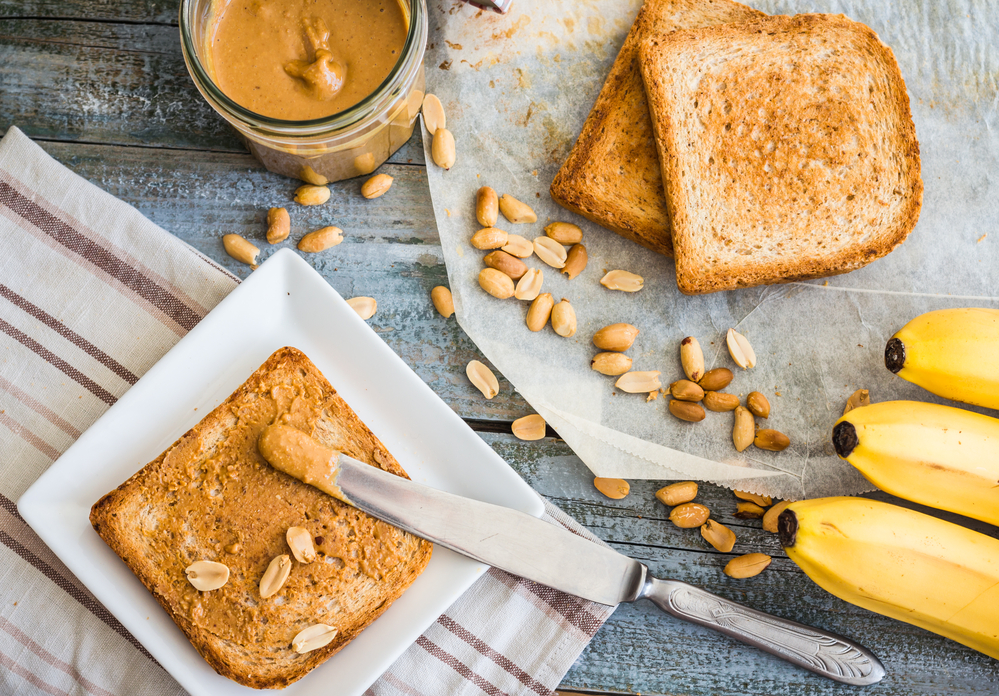
1. Swap white bread for whole-grain bread. Whole grains are full of fiber and healthy carbohydrates that provide lasting energy. When a food is made with a whole grain, that means it includes all parts of the original grain, including a fibrous outer layer, energizing inner layer, and a vitamin and mineral-dense pocket called the germ. Look for the word “whole” as the first ingredient on a nutrition facts label to know if a bread is a whole grain. Food companies get creative with labeling their products: bread labeled “wheat” or “multigrain” is not always a true whole grain, so make sure to double-check the label.
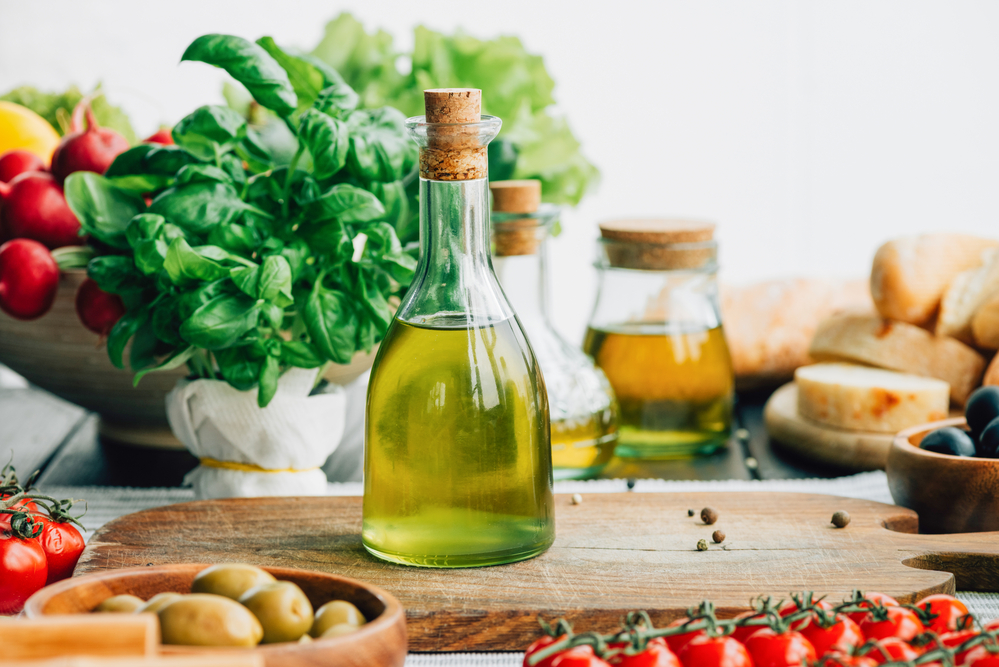 2. Use olive oil instead of butter when cooking. If you are focused on improving your heart health this year, replacing a saturated fat such as butter with an unsaturated fat such as olive oil will go a long way. According to the American Heart Association (AHA), replacing one teaspoon of butter or margarine with olive oil can lower the risk of cardiovascular disease by 5% and coronary heart disease by 7%. According to a study done by the AHA, those who consumed more than half a tablespoon of olive oil each day had a 15% lower risk of having any kind of cardiovascular disease. Olive oil and other unsaturated fats are the best for heart health and can be used during the cooking process or sprinkled on top of a salad or dish before eating.
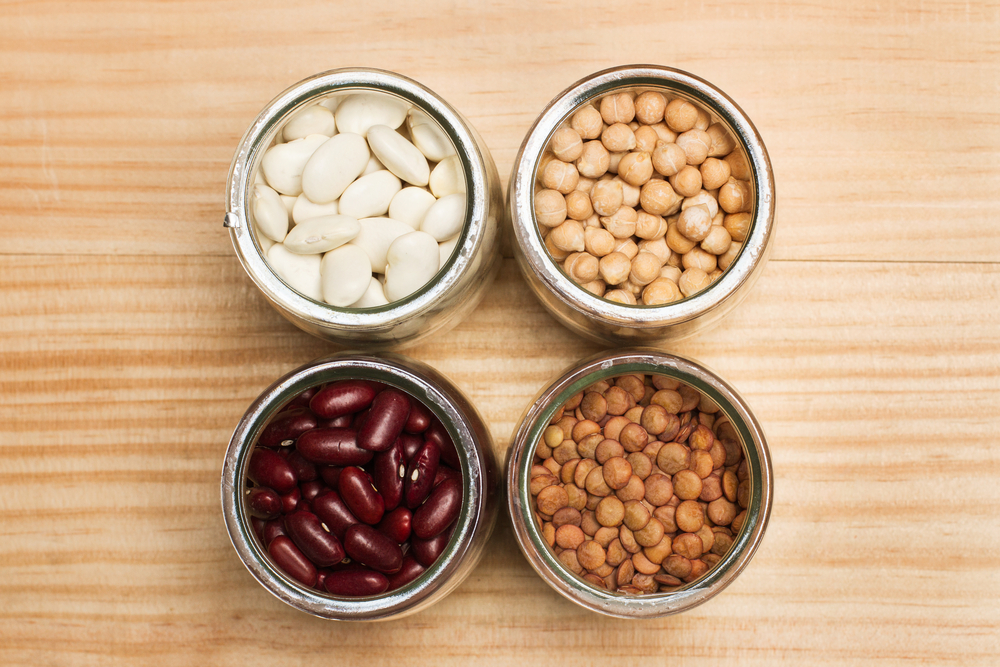 3. Add more beans and legumes into your diet. Beans and legumes, including kidney beans, pinto beans, black beans, garbanzo beans, lentils, and soybeans, are rich in protein, fiber, iron, zinc, potassium, and folate. They provide a lot of protein and fiber, with less fat than other protein sources such as meat. Fiber-filled foods such as beans and legumes are healthy for the digestive system. They help to lower cholesterol in the body, feed the helpful bacteria in your gut, and can help prevent colon cancer. The American Cancer Society recommends getting enough fiber from whole plant foods to reduce the risk of colon cancer. If you are new to beans or legumes, try replacing half of the meat in your recipe with beans!
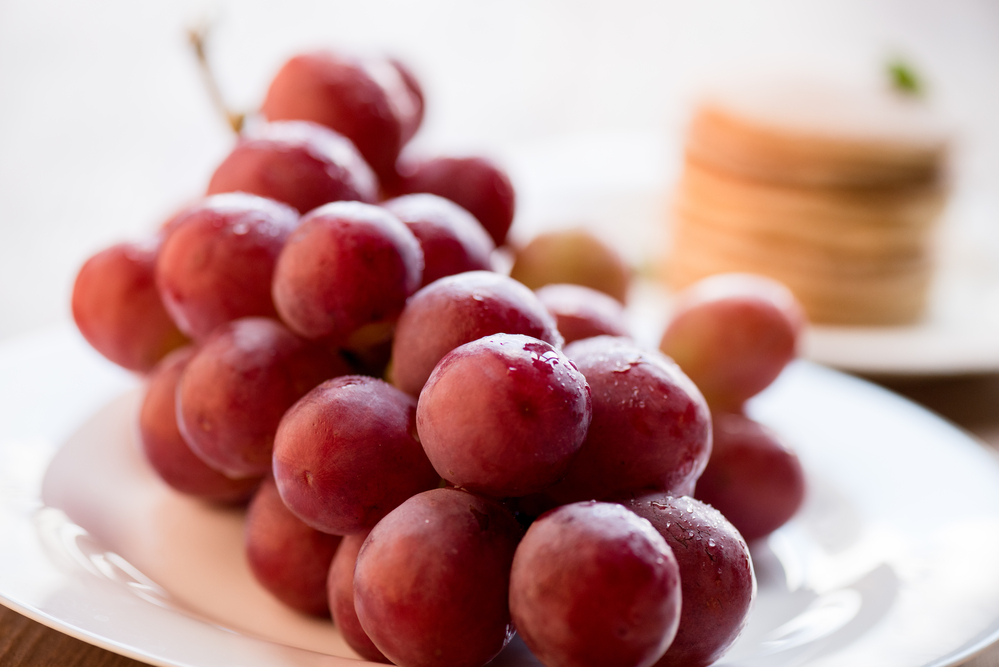 4. Start out your morning with a piece of whole fruit instead of a glass of juice. When eating a whole fruit, the natural sugars are digested slowly because they are accompanied by fiber found in the fruit. Whole fruits such as berries and citrus fruits are extremely nutrient-dense and are full of antioxidants and vitamins. Choosing a whole piece of fruit with a meal or as a snack also helps to sustain your body between meals. Fruit juice, on the other hand, is a highly concentrated version of the fruit, so it is much higher in sugar and lacks fiber. Try a juicy orange, berries, or a banana with breakfast for a more nutrient-dense start to your day.
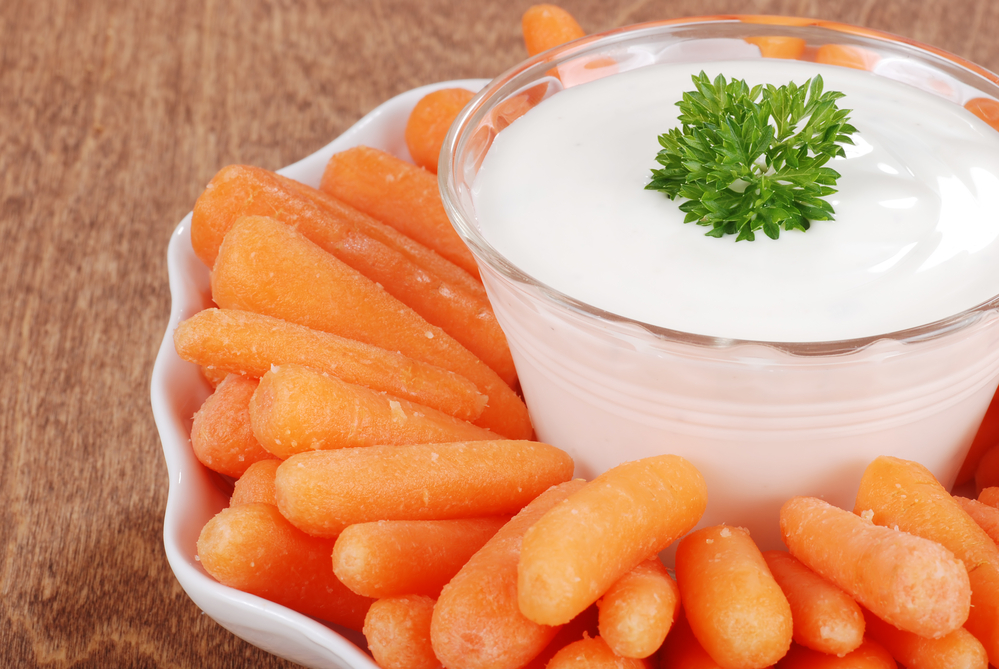 5. Eat more veggies! This one is plain and simple. Adding just one more serving of vegetables into your day will go a long way for your health. Vegetables are nutritional powerhouses that contain many vitamins, minerals, and antioxidants that help to reduce the risk of chronic disease. They are also full of fiber and are very versatile in cooking. The USDA’s dietary guidelines for Americans recommend that adults eat a minimum of five servings of vegetables daily.
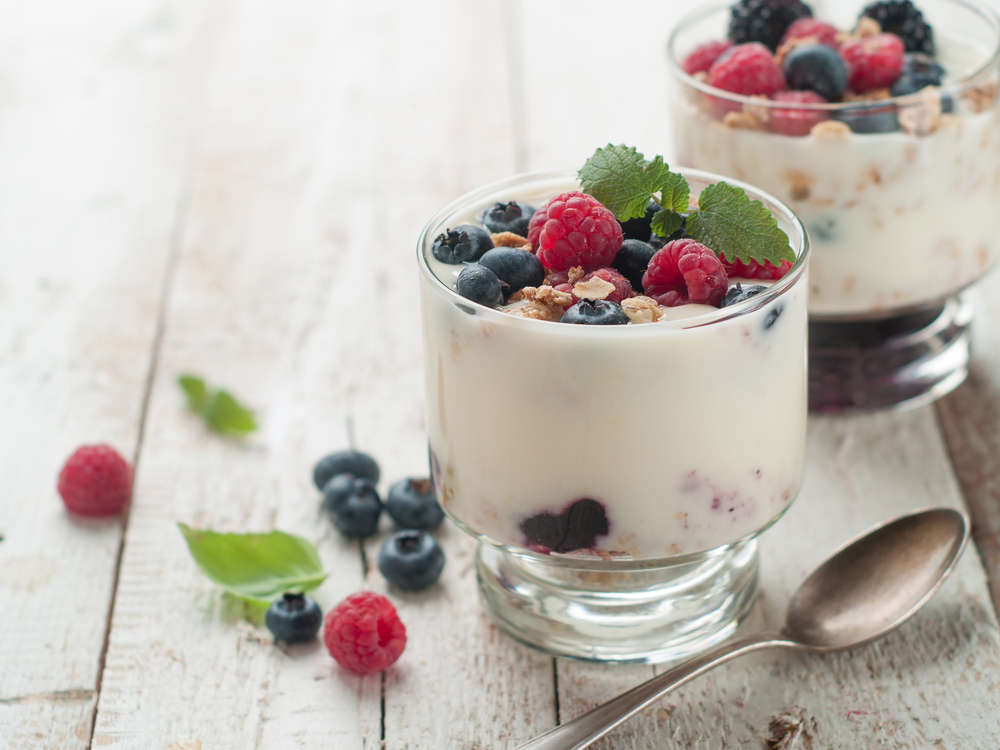
6. Snack on yogurt. Yogurt is a good source of gut-friendly probiotics. New research shows that the bacteria in our gut impact our health like we never knew before. Gut bacteria act as the first line of defense for our immune system, help to digest the fiber in our food and create healthy molecules for our body to use. Having abundant and diverse gut bacteria is linked to better health outcomes and even improved mood status in adults. The probiotics in yogurt help to replenish and grow these helpful bacteria in your colon. Not all yogurts are the same, though. Look for a yogurt that lists specific probiotic strains on the label and a variety that is higher in protein and low in added sugar.
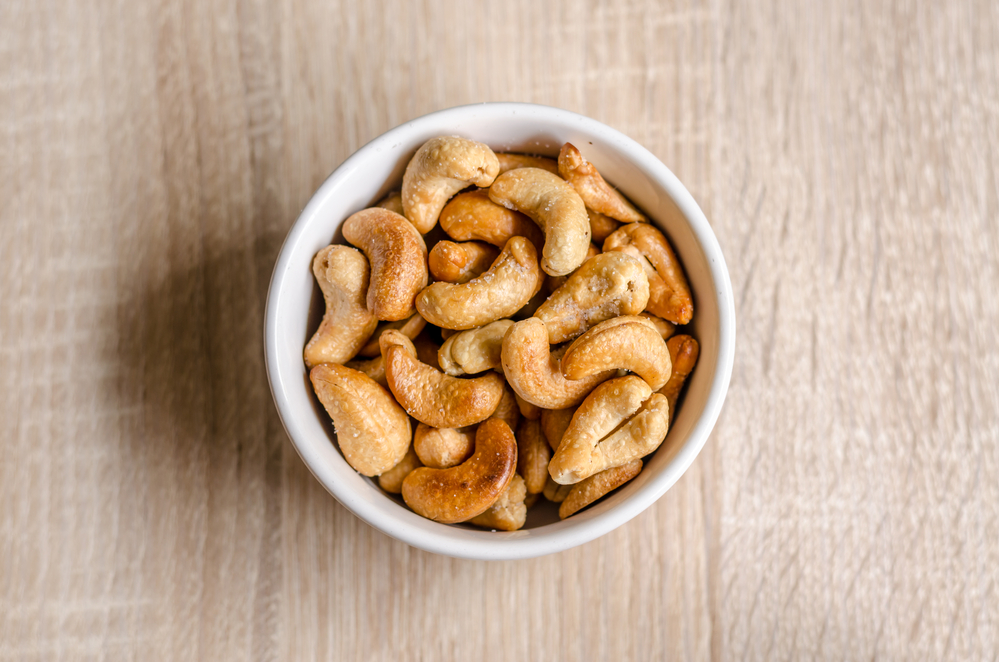
7. Have a serving of nuts or seeds during the day. A handful of nuts is more than just a crunchy and delicious snack. Nuts and seeds contain many important nutrients such as omega-3 fats, fiber, vitamin E, and plant sterols which help to reduce cholesterol. This combination of nutrients and protein help to keep you full and sustained in between meals, making them a healthy and balanced snack. Choose low-sodium varieties, and sprinkle on top of salads, smoothies, or oatmeal!
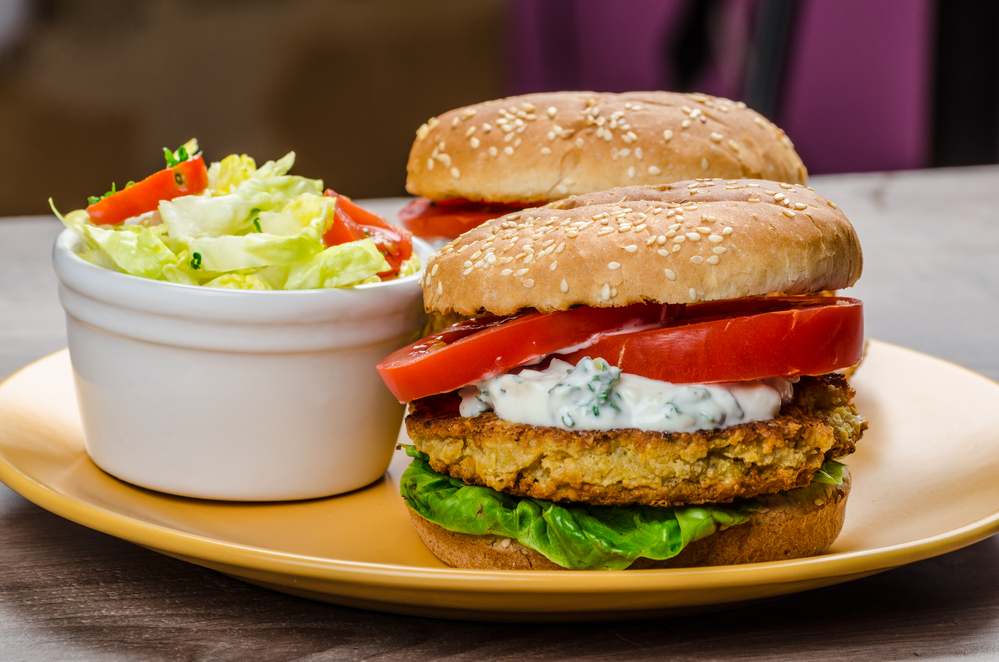 8. Try meatless Monday. Going meatless once weekly helps to increase plant foods in the diet, such as beans, legumes, whole grains, and vegetables. Focusing on these foods even one day a week can help develop healthier habits over the year. Additionally, meals made with beans and legumes instead of meat are not only more environmentally friendly, but can also be much cheaper than their meat counterparts, making it a healthy swap for your health, the planet, and your wallet! Check out the Poe website for some delicious meatless meals!
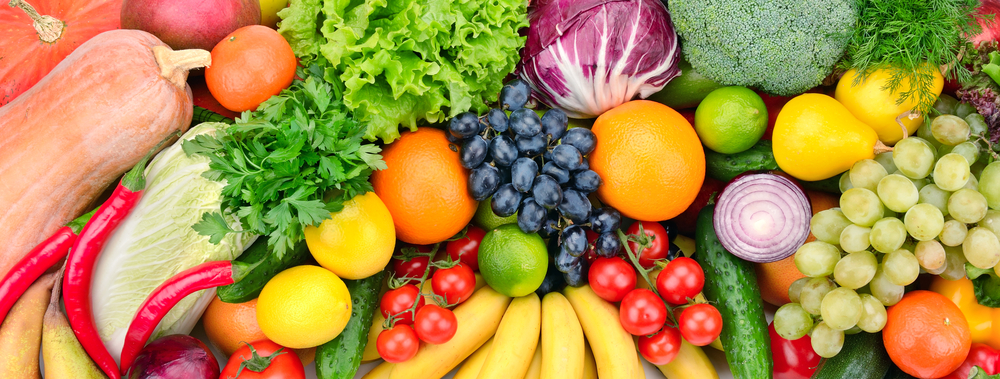
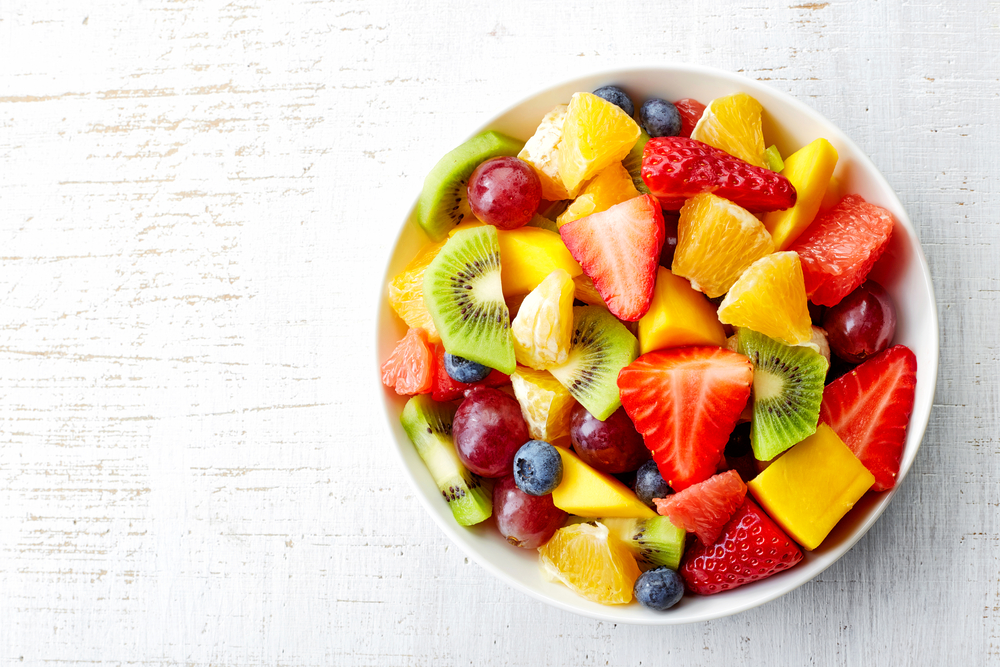 9. Eat a rainbow of fruits and veggies during the week. Research shows that, although people in the US are consuming more fruits and vegetables compared to previous years, the variety among types is low. Fruits and veggies contain powerful molecules called phytochemicals that contribute to the rich color in plants and have incredible health benefits to the body. These phytochemicals include lycopene in red foods which helps reduce the risk of heart disease, chlorophyllin in green foods which helps to reduce the risk of cancer, beta-carotene in orange foods which helps reduce cell damage, and anthocyanins in purple foods which helps with memory and cognitive performance. Eating fresh fruits and vegetables from each color group during the week ensures that you are getting the full variety of phytochemicals and antioxidants to keep your body healthy year-round.
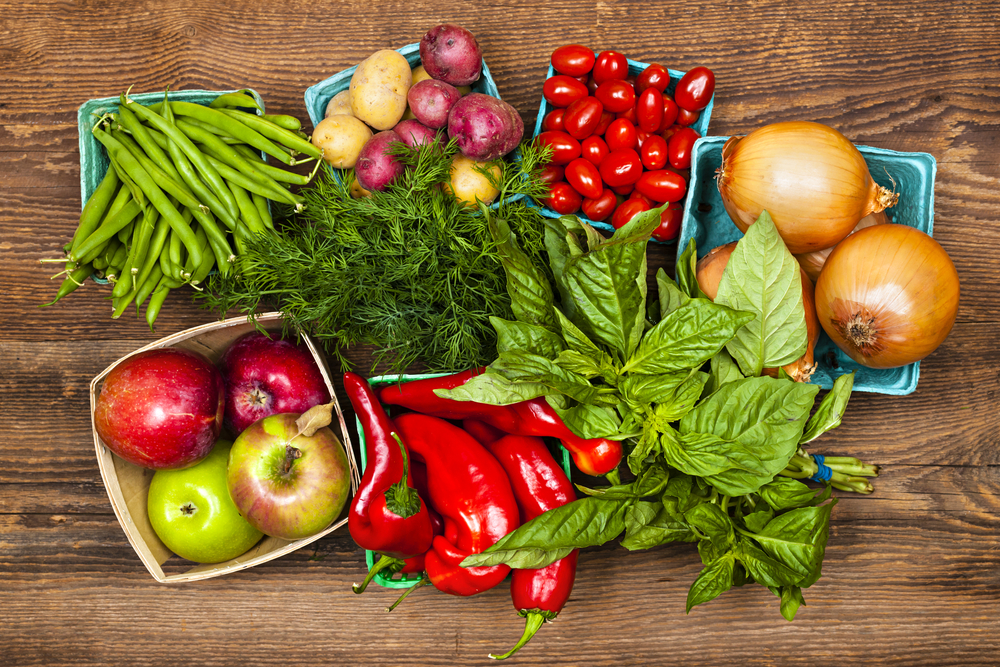 10. Think twice about taking a supplement. The nutrients that our bodies need are best absorbed when we eat real food. Taking high levels of specific supplements can be expensive and ineffective for your health. Overall, it is recommended to get vitamins and minerals through real food, and an overall healthy and balanced diet is the best way to stay healthy, rather than just focusing on getting large amounts of one nutrient in particular. Always consult a doctor before starting any supplement regimen.
Resources:
Olive Oil May Lower Heart Disease Risk.
American Cancer Society Guideline for Diet and Physical Activity
Featured Poe Resource: #PoeFit

Need a little daily motivation to stay fit? Follow #PoeFit on Twitter for the latest tips, insights, and information on keeping fit and maintaining a healthy household.
These are fun and simple things you can do at home without a lot of special equipment, with participation from the whole family! Each week, the Poe Center posts a helpful series of tweets dedicated to nutrition, physical activity, or gardening.
Check it out here, or follow us on Twitter.
Featured Poe Program: Poe's Cooking with MyPlate Challenge
Participants: Ages 10 – Adult.
Program Length: 2 hours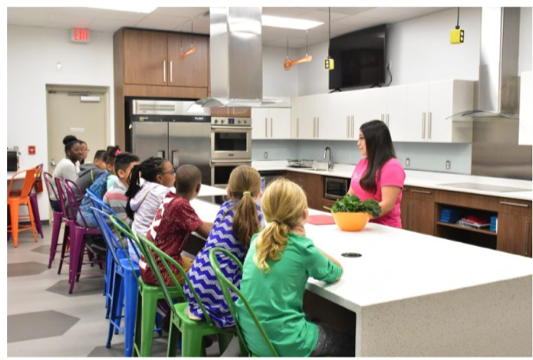
Participants work together in the kitchen to compete in a food-preparation challenge. Healthy cooking strategies are introduced, as well as reviewing MyPlate, reading a nutrition facts label, and practicing basic kitchen safety. Recipe choices include stir fry, turkey tacos, pizza with whole grain crust, and frittatas.
Programs can be presented online and is great for youth and family groups to participate from home. Call (919) 231-4006 for details.


Poe's Holiday Gift to You
Happy Holidays from the Poe Center!
Please accept this small token as a symbol of our BIGGEST THANKS for supporting the Poe Center and health education in North Carolina.
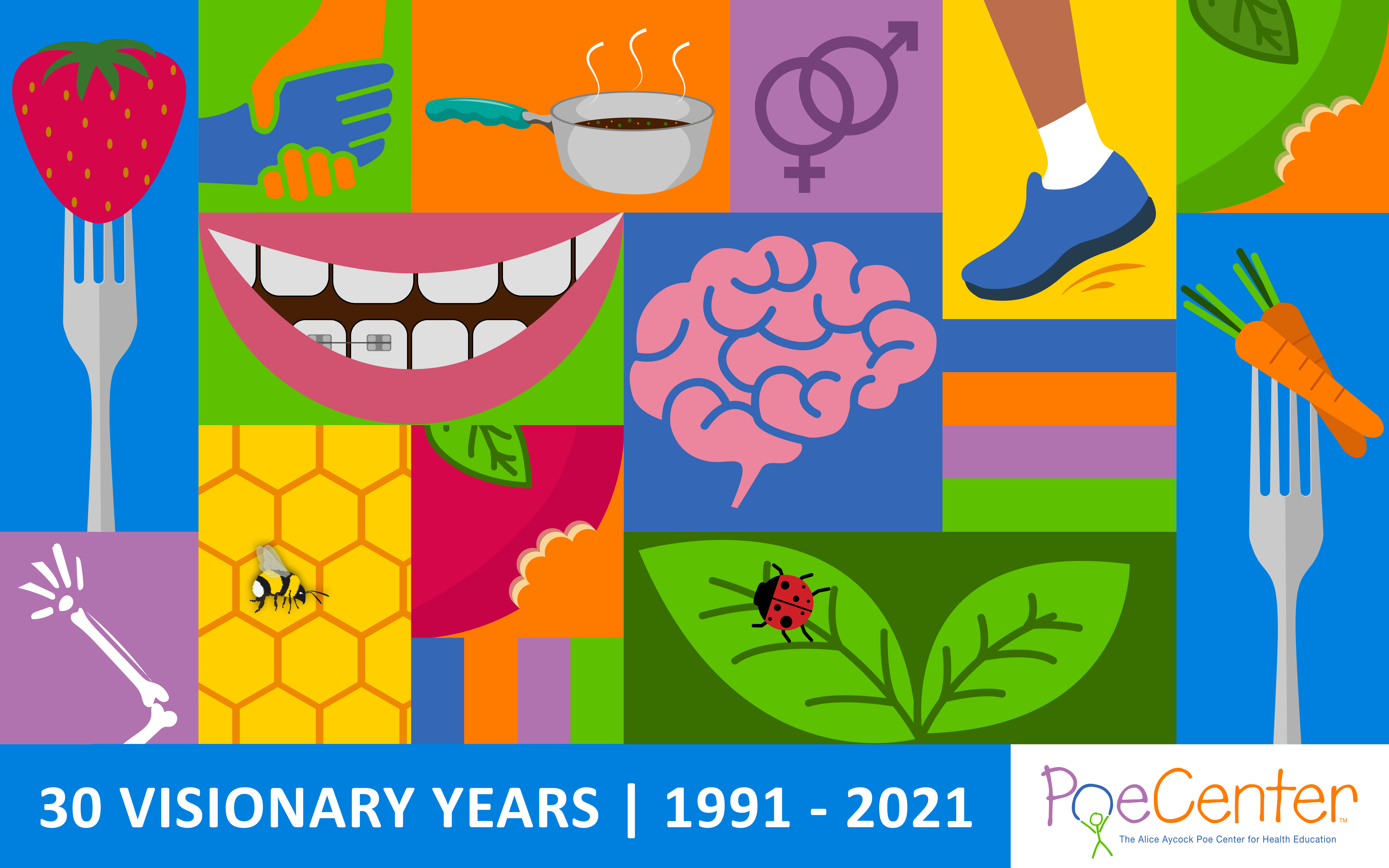
In honor of the Poe Center's 30th anniversary, we have created this custom-artwork computer-desktop background showcasing the elements that make Poe so valuable, unique, and effective. Since we can not be together at the Poe Center right now, we hope you enjoy using this background to bring a little of Poe into your home.
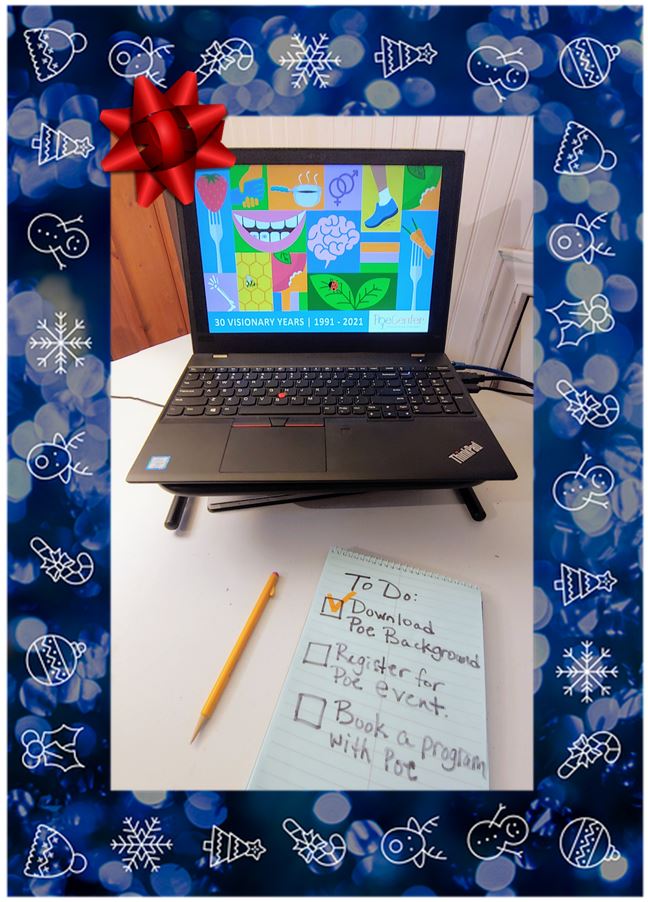
Directions: From your laptop or desktop, select the option below that is appropriate for your device. The image will open in a new window. Right click the image and save to your computer. Navigate to your computer's display settings and follow the prompts to select the image as your background. Enjoy!
- 30th Anniversary Background (PNG)
- 30th Anniversary Background (PNG for Widescreens)
- 30th Anniversary Background (PDF)
- 30th Anniversary Background (PDF for Widescreens)
Happy Healthy Holidays! 5 Nutritious Recipes to Try this Season
Happy Healthy Holidays! 5 Nutritious Recipes to Try this Season
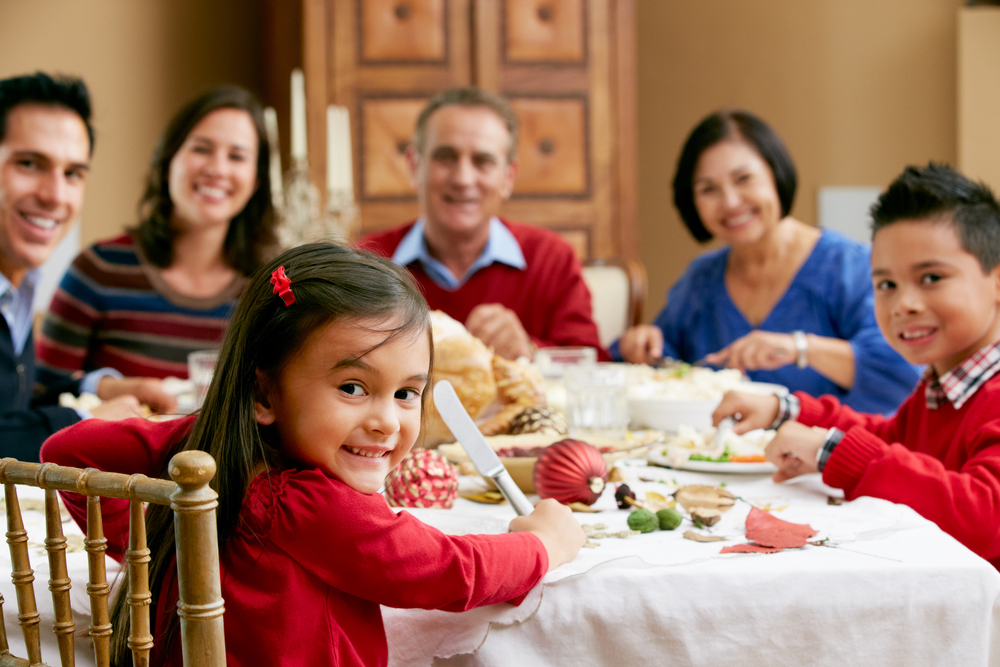
Having a happy holiday in 2020 also means having a healthy holiday. Along with all the important measures to prevent the spread of COVID -19, taking a new spin on some old favorites for your holiday dinner will also make your holiday table healthier. Instead of indulging in foods that are high in saturated fat, salt, or sugar, which can make you feel sluggish, the alternative recipes below are healthy, full of nutrients, and best of all, taste good!
Mashed Cauliflower
Instead of mashed potatoes and gravy
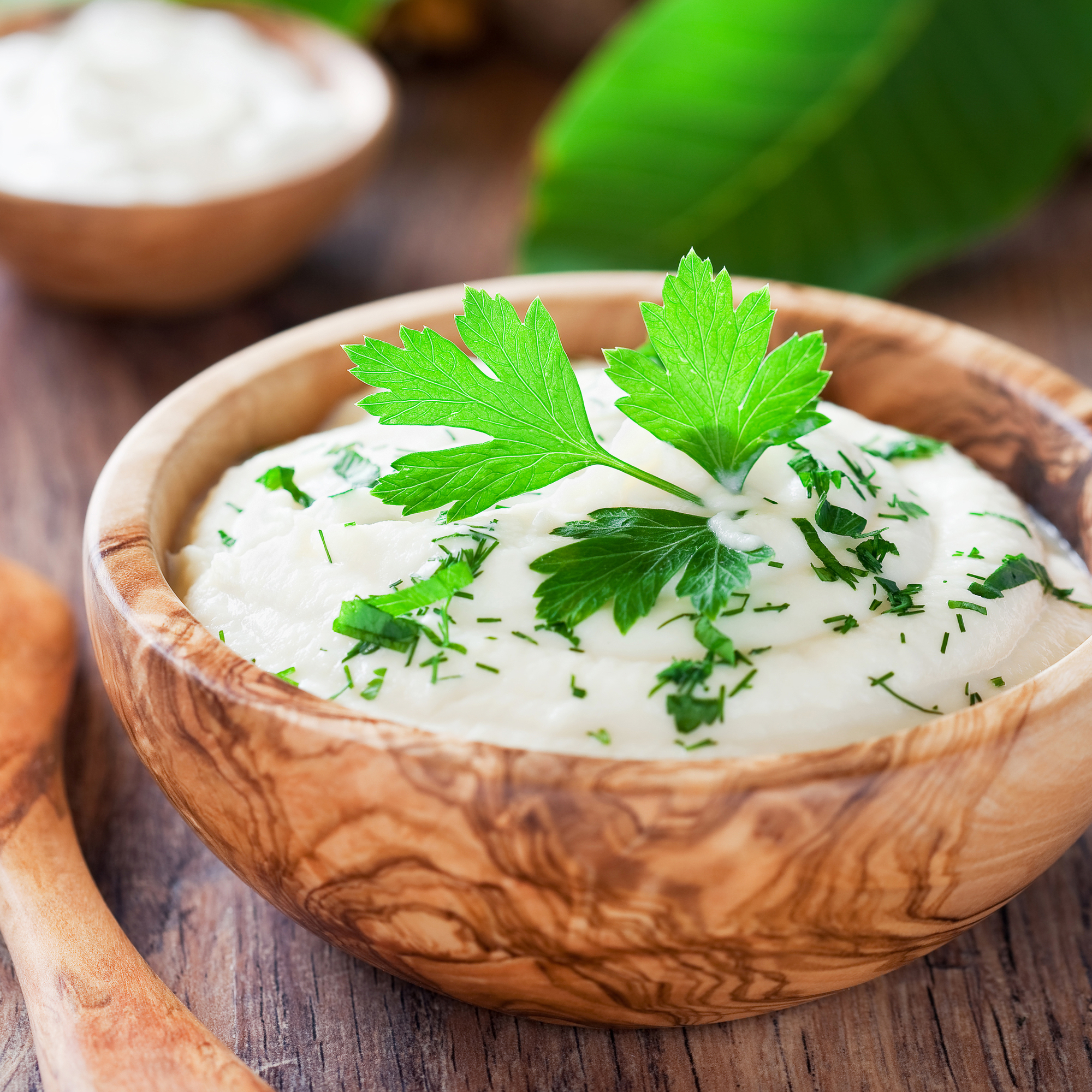 Cauliflower is a nutrient-rich vegetable that is often overlooked during the holidays. It is high in fiber, which aids with digestion, and also contains antioxidants which can help prevent cancer. When steamed and mashed up, it takes on a similar consistency and appearance to white potatoes. Mashed cauliflower can even be seasoned like mashed potatoes- but go easy on the salt, butter, and gravy. Instead, try seasoning with garlic, onion, black pepper, chives, and/or parsley for a side dish that is full of flavor.
Ingredients- serves 4:
- 1 medium cauliflower head cut into florets (or 16 oz. frozen bag of cauliflower florets)
- 1 tablespoon olive oil
- ½ teaspoon of salt
- ¼ teaspoon ground black pepper
- 3 cloves of peeled garlic
- Garnish- chopped fresh chives and/or parsley
Instructions
- Boil cauliflower and garlic in a large pot of water for about 10 minutes or until tender. Drain and return to the pot.
- Transfer the cauliflower and garlic to a food processor (or mash by hand), add olive oil, salt, and pepper. Blend until smooth.
- Garnish with chopped chives and/or parsley
Herb-Roasted Turkey Breast
Instead of baked ham
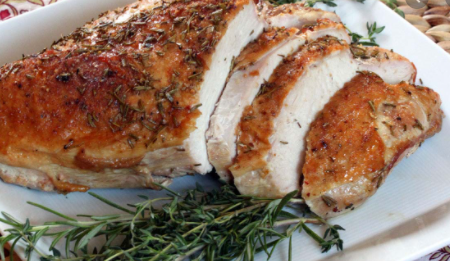 Roasted turkey breast, especially without the skin, is a much leaner meat than baked ham. Turkey is a great source of protein, which helps maintain lean muscle mass and makes you feel fuller longer. When roasting a turkey breast, always be sure to cook until its internal temperature reaches 165 degrees F.
Ingredients- serves 8:
- 1 turkey breast (about 5-6 pounds)
- 5 teaspoons lemon juice
- 1 tablespoon olive oil
- ½ cup chicken or vegetable broth
- 1 teaspoon salt
- 1 teaspoon pepper
- 1 teaspoon dried rosemary
- 1 teaspoon dried thyme
Instructions
- Preheat oven to 325 degrees F.
- Remove skin from the turkey breast (or if keeping the skin, carefully loosen it from the meat).
- Combine lemon juice, olive oil, salt, pepper, rosemary, and thyme in a small bowl.
- Brush mixture on the turkey breast (or underneath the skin and on top of the skin if keeping).
- Pour broth into a 3-quart baking dish.
- Bake uncovered for 2 - 2.5 hours or until cooked to 165 degrees in the center (cover with foil if it starts to brown too quickly).
- Remove from oven and let sit for 10 minutes before carving.
Pomegranate Pear Pecan Salad
Instead of green bean casserole
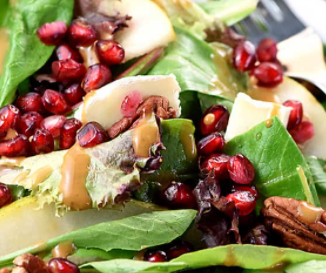 Incorporating vegetables into your holiday dinner is essential for a well-balanced meal. While dishes such as green bean casserole sound healthy, casseroles are often loaded with salt and saturated fats, which can contribute to high blood pressure and high cholesterol. This year, add festive colors and vitamins with a nutritious pomegranate pear and pecan salad. The base of leafy greens provides a good source of calcium and iron, the pecans provide a protein crunch, and the pomegranates and pears give a sweet burst of antioxidants.
Ingredients- serves 4:
- 8 ounces of dark leafy greens (such as spinach)
- ¼ cup pomegranate seeds
- 2 cored & diced pears
- ½ cup pecans
- Dressing:
- ½ cup olive oil
- ¼ cup red wine vinegar
- 2 teaspoon Dijon mustard
- salt & pepper to taste
Instructions
- Mix the leafy greens, pomegranate, pears and pecans in a big bowl.
- Whisk the ingredients for the dressing in a separate, smaller bowl.
- Add dressing to the salad, toss and serve.
Black Bean Brownies
Instead of sugar cookies
 Sugar cookies are a traditional holiday treat that are typically filled with high amounts of butter and sugar. Instead, make these cute black bean reindeer brownies that kids can even help decorate. Black beans are rich in protein and fiber and make for a moist brownie that everyone will enjoy! Plus, you really can’t taste the black beans - trust us. Olive oil is a heart-healthy unsaturated fat that can be used instead of butter.
Ingredients- serves 12
- 1 14-ounce can of low-sodium black beans, drained and rinsed
- 2 eggs
- ½ cup cocoa powder
- ¾ cup sugar
- 2 tablespoons olive oil
- ½ teaspoon baking soda
- ½ teaspoon baking powder
- 1 teaspoon vanilla extract
- Decoration (optional)- Chocolate frosting, 24 candied eyes, 12 red chocolate candies, 24 unsalted pretzels
Instructions
- Preheat oven to 350 degrees F and line an 8x8 baking dish with parchment paper.
- Place all ingredients for brownies into a food processor and blend until smooth.
- Pour into the prepared baking dish and smooth evenly.
- Bake 40-50 minutes or until a toothpick inserted in the center comes out clean.
- Let cool and slice into 12 rectangles.
- (Optional)- Spread a thin layer of chocolate frosting on the brownies. Place two pretzels on each brownie for “antlers”, along with candied eyes and nose.
Cranberry Lime Punch
Instead of spiked holiday beverages
No holiday dinner is complete without a festive drink. However, many punches, eggnogs, and other holiday cocktails are often loaded with unnecessary sugar. The American Heart Association recommends no more than 25-30 grams added sugar daily depending on your age and gender. Instead, try a cranberry lime punch that is low in sugar and helps you to get adequate water intake. The festive garnish is also attractive to children and adults alike!
Ingredients- serves 1
12-ounce lime flavored sparkling water
- ¼ cup 100% cranberry juice
- 2 teaspoons lime juice
- Handful of ice cubes
- Sliced lime & whole cranberries to garnish
Instructions
- Fill glass with ice.
- Add cranberry juice and lime juice.
- Fill the rest of the glass with sparkling water.
- Garnish with lime slices & cranberries.
- Enjoy!
Featured Poe Resource: Poe's Favorite Recipes
 Keeping a book or list of recipes can help you plan quick, delicious, budget-friendly healthy recipes for you and your family. Online resources can help with healthy meal planning, cooking, and grocery shopping. Poe has kept a list of our favorite recipes, including beautiful downloadable recipe cards, a downloadable cookbook from WakeMed and Poe, and recipes from Meredith College’s Dietetic Interns. There's so much to cook!
Featured Video: Winter Recipes with Poe and WakeMed
Join the Poe Center, WakeMed, and Chef Chris as they make Butternut Squash Mac & Cheese and a delicious Brussels Sprouts Salad. These recipes are perfect for a chilly winter day. This video is the winter installment of our Seasonal Recipe Series with WakeMed.

Vaping: Not Worth the Risk
Vaping: Not Worth the Risk
Toshia Jordan, MS
Substance Use Prevention Coalition Coordinator of Fuquay Varina
 Each year, the Great American Smokeout encourages individuals to put down their cigarettes and vapes. As the COVID-19 pandemic continues, the message has become even more critical as we learn more about the health effects of vaping through new studies. While we always suspected vaping to be bad for the health of our youth, the data is starting to come in and what we suspected is unfortunately true. Vaping damages the lungs and vaping substances like nicotine negatively affects the growing brain of youth (USDHHS). The damage to the lungs from vaping is especially a concern with COVID-19. A study from Stanford found that teenagers who vape have are 7 times more likely to have COVID-19 than peers who do not vape. Another real concern is the impact substances like nicotine have on the growing brain, priming the brain for future addiction (USDHHS). None of these outcomes are desired and they threaten the future of our youth. We must take a closer look at what is going on and what we can do to best support and protect our youth.
Why Do Youths Try E-Cigarettes?
 The new report from CDC states that among students who reported ever having tried e-cigarettes, 55.3% tried because of curiosity, 30.8% tried because a friend or family member used them, and 22.4% tried because they are available in flavors. Although efforts were made to counter the issue of flavors, teens are still able to get flavored disposable vape products that are not currently restricted. In addition, the concern is that teens will be drawn to vaping since we know that in times of stress substance use increases. Teens are facing all the typical stresses that go along with being a teen and now added ones around COVID-19, quarantine, and virtual learning. Although this is the case, it does not end here. We can work together to support our youth and protect their future by addressing each issue one at a time.
How to Protect The Futures of our Youth
• Increase Health Awareness: Educating teens in ways that resonate with them will make all the difference in their openness to receive and trust the information. Sharing facts about the relationship to brain development and addiction, leading to a loss of control, is a great way to increase health awareness in terms that are important to them. The website Fresh Empire: Keep it fresh, Live Tobacco-Free does a great job of explaining addiction in an approachable way.
• Be a Good Example: Many times, it is easier to say than to do, but it is so important for the well-being of our teens to see good examples. We all know that they are more likely to imitate what they see versus what they hear. Be intentional about being a good example. It is also important to note that while substance use is never preferred, it definitely is not a good combination while a teen’s brain is still growing and developing.

• Start a Conversation: While leading by example is essential, don’t forsake conversations either. It is incredible how time spent to show you care can make all the difference. Set clear expectations for your family and encourage open lines of communication. This website is a great resource for talking with your teen.
• Limit Social Media: While there are some benefits to social media, some studies show that being on social media nonstop has adverse effects on teens and their self-esteem. The Recovery Village has a great article entitled, “How Social Media Impacts Teens”. This article states, “Research on social media and teens indicated that technology may increase peer pressure and bullying, while also leading to increased substance use and mental health concerns.” Protect your teens by monitoring what they are exposed to and limiting time spent on social media.
• Develop Healthy Coping Alternatives: Everyone seems to be dealing with some level of stress during these difficult times. This is a great opportunity to not only update your healthy coping alternatives but also to encourage your teens to develop some of their own. The Center for Parent and Teen Communication has a great resource to help your teen build a stress management plan.
Vaping has increased in recent years along with many challenges, but it does not have to become the narrative for our youth. With the COVID connection, data to support reasons for trying, and new and old stressors, we must help our teens develop healthy alternatives that build resilience. Together we can work to support and protect our youth. We can help our youth become resilient in the face of life’s challenges and resolute in the fact that vaping just is not worth the risk.
Resources:
US Department of Health and Human Services. E-cigarette Use Among Youth and Young Adults: A Report of the Surgeon General. Atlanta, GA: CDC; 2016 Accessed October 19, 2020.
Vaping Linked to COVID-19 Risk in Teens and Young Adults.
Fewer than half of young people are aware of the connection between vaping and COVID-19 risk.
6.2 Million Middle & High School Students used tobacco products in 2019.
Fresh Empire: Keep it Fresh. Live Tobacco-Free.
Helpful Parent Tip sheet on Vaping
Featured Poe Event: Johnston County Tobacco-Free Community Forum
When: Via Zoom on Thursday, November 19, 2020, from 11:30 a.m. – 1:30 p.m.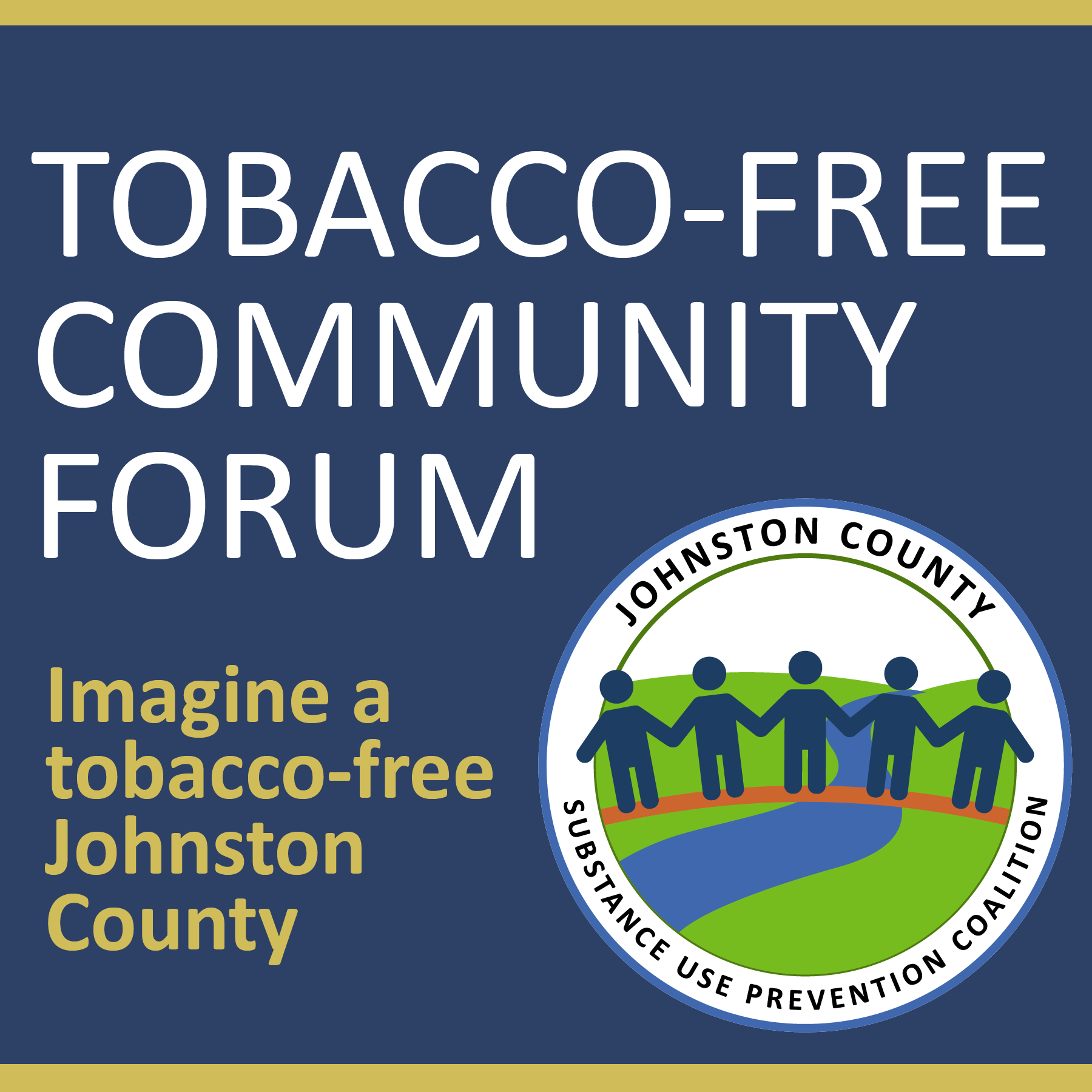
You’re invited to join us as we work towards a tobacco-free Johnston County! Johnston County Substance Use Prevention Coalition, together with Poe, is hosting this virtual event at no cost for the community.
In this community forum, we will hear from experts about the health impacts of the vaping epidemic, discuss policies that create tobacco-free environments, and make action plans for a healthier Johnston County. This event is presented in partnership with Johnston Health, Johnston County Health Department, and Alliance Health.
Register today! A few days before the event, you will get an email detailing how to join our virtual forum.
Featured Poe Program: Vaping 101
Grade Level: 6th – 12th
Program Length: 60 minutes
 Vaping 101 shows participants the latest research about the addictive nature of nicotine and how it impacts the growing brain and body. This program will cover important resources and skills to empower healthy decision making to navigate this and other substance use issues. Participants will be engaged in a group game format, videos, and discussion.
To schedule a virtual program with Poe, contact our scheduler Amanda Bodenheimer at a.bodenheimer@poehealth.org today.
Preventing Bullying Online and Offline: October is National Bullying Prevention Month
Preventing Bullying Online and Offline: October is National Bullying Prevention Month
Jessica Fowler, CADC, LCAS-A
Substance Use Prevention Specialist
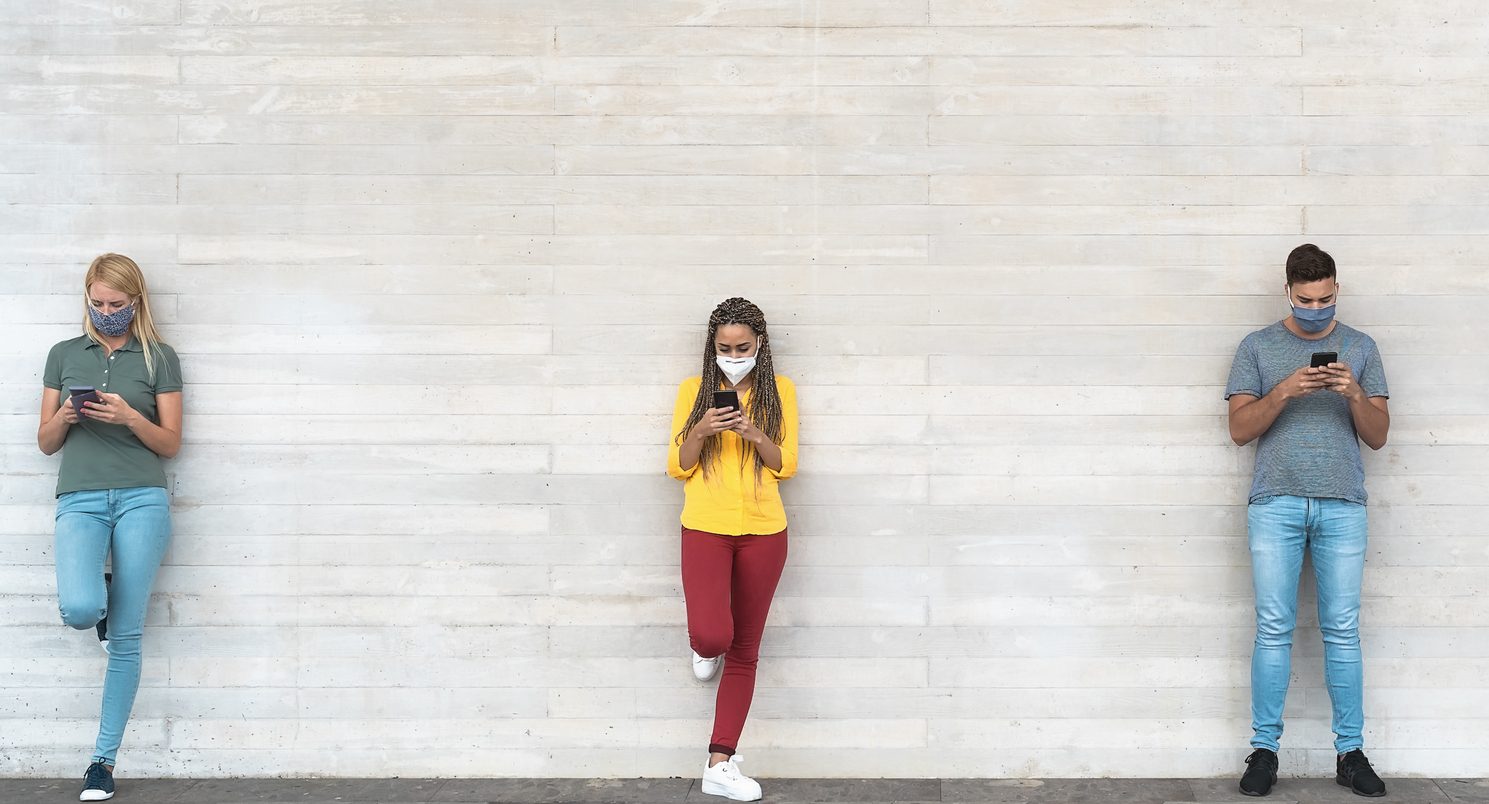
The 2020-2021 school year has been a rollercoaster of change for students, and it is only October. The transition to online schooling for many students is an important safety precaution to avoid contracting and spreading COVID-19. At the same time, the increase in time online - for school, entertainment, and social interaction - also means that the potential for cyberbullying has increased (Hinduja, 2020). It is important for educators, parents, and students to be aware of this possibility, understand how to report and respond to cases of cyberbullying, and learn how to cope with the emotional strain of bullying.

Young, growing brains need healthy social connections to feel secure about their identities and their places in the world. Screens cannot replace hugs, high fives, or an empathetic expression from a friend. As remote learning continues, many youth may feel like they have lost that social connection. A current rapid study done during the COVID-19 pandemic demonstrated that one-third of adolescents are reporting an increase in loneliness (Loades ME, Chatburn E, Higson-Sweeney N, et al 2020). Loneliness can be a mental health risk factor for both youth who engage in bullying behavior and for youth who are the targets of bullying. Focusing on bullying prevention, healthy relationships, and cultivating a positive school climate can help mitigate risk factors.
According to Pew Research Center, 59% of U.S. teens have been bullied or harassed online (Anderson, 2018). That is not a comforting number, especially during a time when remote learning plays a huge part of most students’ school experiences. So what can parents, guardians, and educators do to help build resilience and coping skills in youth?
Cultivate a positive school climate: It has always been important for families, schools, and communities to work together to create social and learning environments that promote positive connections between students, adults, and other peers in the school setting, online or offline. (Center for Disease Control, 2009). Here’s what you can do to promote a positive school climate:
- Create consistency with schedules: Maintaining a clear beginning and end time for school, study, and entertainment creates consistency and helps establish limits and parameters for the quantity and quality of “screen” time.
- Try team-building activities: The “Name Game”, “Picture Walks” and “Would You Rather” can easily be converted to a virtual format and allow opportunities for youth and children to get to know one another as well as the teacher.
Promote Healthy Relationships: Healthy relationships encourage positive social interactions and establish nurturing environments of trust and support, which help students carry positive peer relationships into virtual settings. Here are a few ways to promote healthy relationships:
- Get them talking: If you’re an educator, create virtual tables of 3-4 students with assigned discussion topics. This allows students opportunities to discuss assignments and stay connected. Rotate these groups weekly and try to pair virtual learners with in-person learners to further enhance opportunities for connection.
- Have virtual lunch: If you are an educator, get a group of 4-5 students together and have virtual lunch with them. Take a break from schoolwork and get to know each other and feel connected.
- Have lunch at home: If you are a parent, try setting up virtual lunch dates or host small COVID-safe gatherings of children or youth (Gonsor, 2020). A little time with friends away from schoolwork is a nice break.
- Encourage outdoor activities:
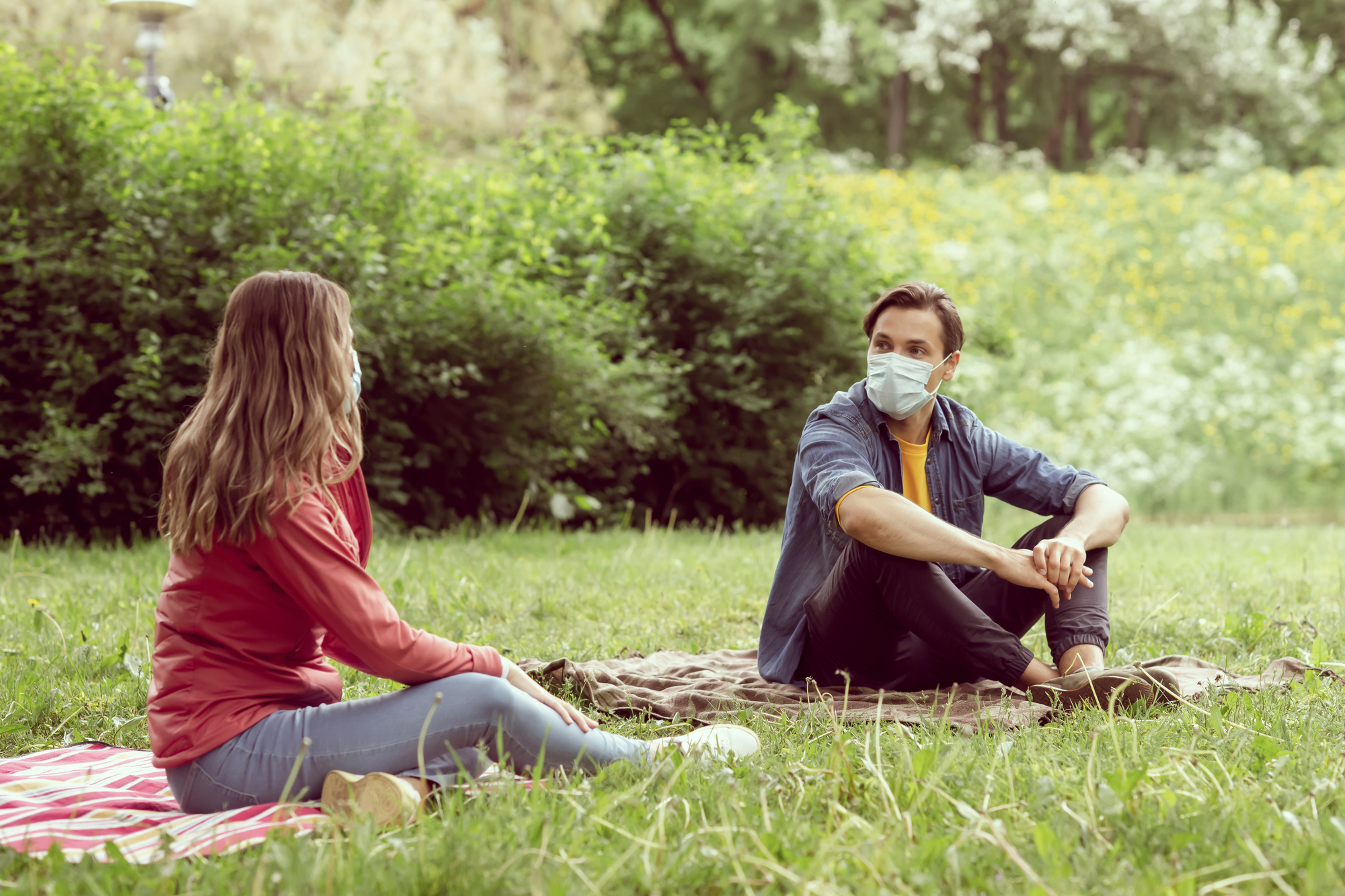 If it feels safe for your family, encourage youth to meet with friends at social distances and do activities such as hiking, exercise, or even a picnic at a park where they can be outside and separated but still able to have that connectedness with their friends.
Bullying Prevention: Be proactive in addressing concerns about cyberbullying.
- Educate: Families and educators can work together to educate youth and children on bullying behavior and cyberbullying and empower youth to be defenders for friends and peers. Educators can provide information to families about cyberbullying and what to look for in the home.
- Set expectations: In the remote classroom, educators should immediately set expectations for respectful behavior. Acknowledge that online learning is a new situation and that you are all in it together. Stress the importance of kindness, respect, and support.
 Keep tabs: Both families and educators can keep close tabs on online interactions and encourage youth to take screenshots if they experience or observe bullying behavior. Make sure students know how to report it to a trusted adult.
- Stay alert: Look for behavior changes in youth, as they are often an indicator that something is occurring. For example, a student who was very engaged in the online classroom or discussion boards and suddenly stops participating may be a red flag for bullying.
- Follow up: Educators should talk to youth about potential bullying incidents and follow up with the child’s parents who can monitor the situation as well (Hinduja, 2020).
- Keep communication open: Have conversations with children about how they are feeling, how they are doing, and their thoughts on what is occurring. These check-ins can be done while in the car, watching television, or even at family dinners. Demonstrating support in the home and at school provides comfort and creates a sense of safety and trust.
- Address COVID-related bullying: There are concerns about bullying when it comes to wearing masks or choosing remote learning vs in-person learning. Families and schools can work together to encourage mask-wearing and general safety. Have conversations about these new circumstances. It might be helpful to show videos of celebrities that are wearing masks to help provide reassurance and to reinforce the need for continued safety.
As the school year continues with varying degrees of online learning, it is vital that we keep in mind the effects on our youth and children. Helping youth through these times is important for their overall wellbeing. This includes self-care. As adults, we cannot pour from an empty cup and need to take care of ourselves in order to support our children. It is critical to keep communication open and provide education and resources for our children from both the home setting and the school setting. Families and educators need to work together to build healthy relationships and positive school climates to prevent bullying and cyberbullying.
Resources:
A Majority of Teens have Experienced some form of Cyberbullying. Pew Research Center. September 27, 2018. https://www.pewresearch.org/internet/2018/09/27/a-majority-of-teens-have-experienced-some-form-of-cyberbullying/
Centers for Disease Control and Prevention. School Connectedness: Strategies for Increasing Protective Factors Among Youth. Atlanta, GA: U.S. Department of Health and Human Services; 2009 https://www.cdc.gov/healthyyouth/protective/pdf/connectedness.pdf
Gonser, Sarah. 7 Way to Maintain Relationships During Your School Closure. March 25, 2020.
https://www.edutopia.org/article/7-ways-maintain-relationships-during-your-school-closure
Hinduja, Sameer. Coronavirus, Online Learning, Social Isolation, and Cyberbullying: How to Support Our Students. March 2020. https://cyberbullying.org/coronavirus-online-learning-social-isolation-cyberbullying
Loades ME, Chatburn E, Higson-Sweeney N, et al. Rapid Systematic Review: The Impact of Social Isolation and Loneliness on the Mental Health of Children and Adolescents in the Context of COVID-19 [published online ahead of print, 2020 Jun 3]. J Am Acad Child Adolesc Psychiatry. 2020;S0890-8567(20)30337-3. doi:10.1016/j.jaac.2020.05.009 https://www.ncbi.nlm.nih.gov/pmc/articles/PMC7267797/
Featured Poe Program: Alphabet of Bullying Prevention
Grade Level: 6th – 8th
Program Length: Four 60-minute sessions

Questions about this program? Contact Jessica Fowler at j.fowler@poehealth.org.