
Preventing Tobacco Use in the Age of COVID-19
Preventing Tobacco Use in the Age of COVID-19
By Susan Foster, CPS
In March of 2020, our community was planning the second Wake County Tobacco-Free Community Forum to educate, engage and empower youth, parents/caregivers, and leaders to reduce tobacco’s negative impact. Unfortunately, due to the pandemic, we had to put the event on hold. This past year has brought so much change and a heightened focus on how to keep our communities healthy. Now, in 2021, our community is coming back together, online, in a youth-led discussion to continue the conversation about tobacco use prevention, which is now even more important.
The Wake County Tobacco-Free Community Forum is going to bring together information and partners to explore prevention efforts and keep those efforts strong in the age of COVID-19. As we have lived more than a year in the midst of the pandemic, we appreciate even more how important it is to keep our lungs and body healthy and ready to fight disease. The medical community has shared their concern that the use of nicotine products can make someone more vulnerable and less likely to fight the COVID-19 virus.
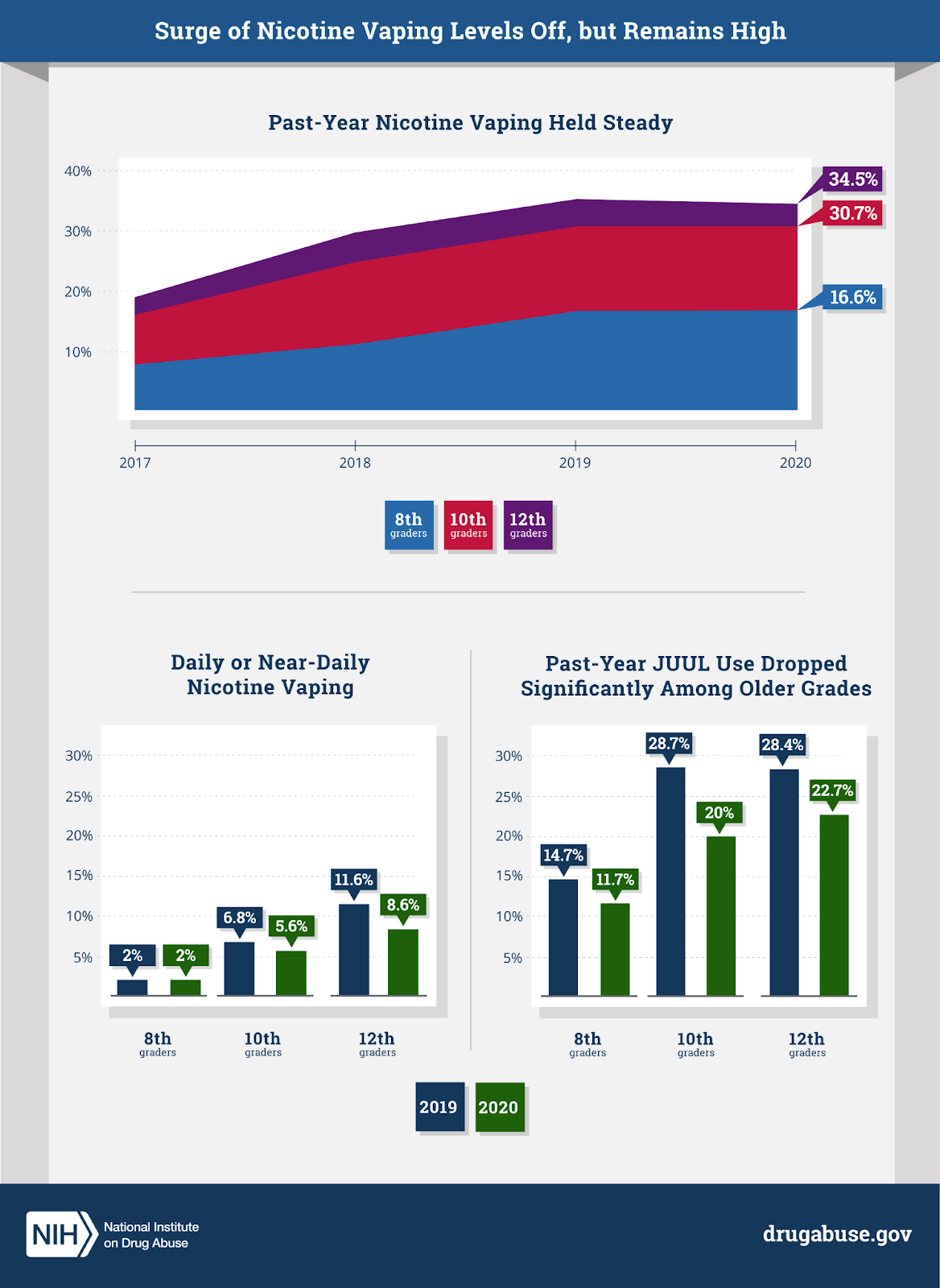
Right before the virus came into our lives, we were already tracking the emerging cases of severe lung disease linked to vaping nicotine and THC/marijuana-laced products. The Center for Disease Control reports that due to e-cigarette/vaping use, thousands of people in the U.S. have been hospitalized with serious lung injuries, over 64 people had died, and more deaths were under investigation. Therefore, a real concern that vaping or smoking could make someone more vulnerable to the damaging effects of the COVID-19 was becoming clear. According to Dr. Nora Volkow, Director of the U.S. National Institute on Drug Abuse, “because it attacks the lungs, the coronavirus that causes COVID-19 could be an especially serious threat to those who smoke tobacco or marijuana or who vape. Vaping, like smoking, may also harm lung health. Whether it can lead to chronic obstructive pulmonary disease (COPD) is still unknown, but emerging evidence suggests that exposure to aerosols from e-cigarettes harms the cells of the lung and diminishes the ability to respond to infection.” (Source). The results of the 2020 Monitoring the Future (MTF) survey of drug use and attitudes in middle and high school students, revealed encouraging news about the alarming rises in teen vaping both of nicotine and marijuana seen in prior years had not increased but had actually leveled off this past year, although use still remains high.
This is the time to strengthen the body to fight disease, and a time to strengthen our prevention, policy, and treatment efforts to ensure the best outcome for our youth and our community. The Surgeon General recommends that you “give your lungs the best chance at fighting not only COVID-19 but all respiratory diseases.” To give yourself the best chance now is the time to quit vaping and not to start. The Poe Center is so proud of the work our Youth Empowerment teams have been doing during the pandemic to ensure these important messages are still getting out.
The Poe Center Youth Empowerment teams include dedicated middle and high school students who care about substance use prevention in their community and work with Poe staff to create awareness and action on the issue. These youth leaders will be guiding the discussion at the annual Wake County Tobacco-Free Community Forum, in partnership with the Wake County Public School System, the Wake County PTA Council, Wake County Human Services, and the American Heart Association. Please join the discussion and be inspired by our youth leaders as we work together for a healthier community.
Learn more & attend the Forum
Resources:
2020 Monitoring the Future (MTF) survey
COVID-19: Potential Implications for Individuals with Substance Use Disorders, NIH
Resources for Quitting Vaping:
 Quitline:
By phone: 1-800-QUIT-NOW (1-800-784-8669)
Online: QuitlineNC.com
Quitline Resources during COVID-19
Text to quit vaping:
Text DITCHJULL to 88709
Does your child vape? Learn more:
Fight flavored e-cigarettes resources for parents
Featured Poe Program: Vaping 101 - Online

Participants: 6th - 12th
Program Length: 60 minutes
Vaping 101 educates students on the latest research about the addictive nature of nicotine and how it impacts their growing brain and body. This program will cover important resources and skills to empower healthy decision-making to navigate this and other substance use issues. Students will be engaged in a group game format, videos, and discussion.
Programs can be presented online and are great for youth and family groups to participate from home. Call (919) 231-4006 for details.

Opening the Door to Conversations this April - Alcohol Awareness Month
Opening the Door to Conversations this April
By Virginia Johnson, CPS
Although there are many theories behind the naming of the month April, one common thought is that "April" is derived from the Latin word Aprilis, meaning to open. April is the time of year for flowers and windows to open as the air fills with warmer temps and the smells of spring.
April is also the time of year to open the door to conversations with the youths in our lives about the effects of alcohol. April is Alcohol Awareness Month, a national public health awareness campaign sponsored by the National Council for Alcoholism and Drug Dependence (NCADD).
Why is Alcohol Awareness Important?
Alcohol is the most-used substance by youth and adults in the United States. According to the National Institute of Health’s 2020 Monitoring the Future Survey, 55.3% of high school seniors used alcohol in the past year. In North Carolina, 12% of teens had their first drink of alcohol before the age of 13. More teens die as a result of alcohol use than all other illicit drugs combined. In North Carolina, one person dies every week as a result of underage drinking. More than one-third of teen traffic deaths are alcohol-related. Even non-drinking teens are at risk if they get into a car with an alcohol-impaired driver. In the 2019 YRBS survey, 15.9% of Wake County High School freshmen reported riding in a car with someone who had been drinking.
Underage drinking is a problem that must be addressed and not viewed as "just a phase" that teens go through. Since the human brain is not fully developed until age 25, teens who start drinking before age 15 years are 40% more likely to develop alcohol dependence. Alcohol is the third leading cause of preventable death in the United States and alcohol use among children is strongly correlated with other dangers including violence, poor academic performance, high-risk sexual behaviors, and arrests.
So what can parents do? Talk It Up.
Even though they may not show it on a regular basis, teens want parents/caregivers to set clear guidelines and expectations. It is important to talk to youth about the dangers of alcohol and other drugs, and about your values as a family. Considering that most children have seen adults drinking alcohol on TV or in real life before they start kindergarten and that by 8th grade, the majority of teens have favorable attitudes towards alcohol consumption (YRBS, 2019), it is never too early to begin the conversation. It is important to talk to the children and youth in your life about the dangers of underage drinking and your clear expectations around the use of alcohol. 
The Substance Abuse and Mental Health Services Administration recommends these tips when talking to youth about alcohol:
- Let them know you disapprove of underage drinking and other drug misuse.
- Show you care about their health, wellness, and success.
- Demonstrate that you are a good source of information about alcohol and other drugs.
- Pay attention and listen.
- Build their skills and strategies for avoiding drinking and other drug use.
The conversation around alcohol needs to be ongoing. Use the opportunities of everyday life as reasons to naturally bring up the conversation. If driving down the road and a song comes on the radio about alcohol, take the opportunity for a teachable moment. If watching a TV show and a character is offered a drink, ask what are the options someone has in that situation. Roleplay the situation and practice creative ways to say “no” when offered alcohol. This will build confidence in their skills and ability to abstain from consuming alcohol.
Check out this video for ideas on how to start the conversation. For more information on how to talk to the children and youth in your life, visit Talk. They Hear You and download the app for interactive scenarios and tips.
What else can parents, caregivers, and other adults do? Lock It Up!
The home is the number one place youth access alcohol. It’s important to monitor and secure alcohol in the home. Since the COVID-19 pandemic began, alcohol sales have increased by 40%. That is 40% more alcohol available in the very place youth access it most frequently. Alcohol awareness and prevention are more important now than ever. If you have alcohol in your home, ensure it is secured to prevent easy access by youth.

- Monitor the alcohol that is in your home by taking inventory and being aware of the amount and types of alcohol available.
- Ensure alcohol in the home is not easily accessible. Secure alcohol by placing it in a locked cabinet or closet. If you have a fridge for wine or beer, consider adding a fridge lock. Cabinet locks and fridge locks can be purchased at your local hardware store or online.
Another quick tip, if you drink alcohol, model responsible drinking. It is important for youth to see the adults in their lives that they look up to modeling responsible drinking. As adults, we can promote responsible drinking by following the 0-1-2 alcohol consumption guidelines (2021-2025 Dietary Guidelines):
- 0 Drinks if you are under age 21, pregnant, driving, or in treatment or recovery for alcohol addiction.
- 1 Standard Drink limit per day for women.
- 2 Standard Drink limit per day for men.
It is important to remember that a standard drink is one 12-ounce beer (5% alcohol content), 8 ounces of malt liquor (7% alcohol content), 5 ounces of wine (12% alcohol content), or 1.5 ounces of 80-proof (40% alcohol content) distilled spirits. Many mixed beverages may contain 2-3 standard drinks.
In closing, enjoy the beautiful April weather and open the door for conversations with the youth in your life on the effects of underage drinking and your expectations. Take the pledge to Talk It Up. Lock It Up!™ and encourage others to take the pledge and start the conversations with your child today.
References:
- Alcohol and the Adolescent Brain: Immediate Impairment, Long-Term Consequences.
- Centers for Disease Control. Rethink Your Drink.
- Centers for Disease Control. Youth Risk Behavior Survey 2019.
- Centers for Disease Control. Facts Sheets – Underage Drinking.
- North Carolina Preventing Underage Drinking Initiative.
- SAMHSA. Talk They Hear You.
- TOOLKIT: Alcohol Awareness Month.
- U.S. Department of Health and Human Services.
- Substance Abuse and Mental Health Services Administration.
- Current Dietary Guidelines.
Featured Poe Activity: Take the Talk It Up. Lock It Up!™ Pledge
You can start making a plan to Talk It Up. Lock It Up!™ by taking the pledge. Sign today!
Featured Poe Program:#YouthCulture Series
Participants: Adults
Program Length: 2-hour workshop
This program also offers a youth component to each session. Ask us about this!
The Poe Center’s #YouthCulture program is designed to empower parents and guardians by providing insight into the environment and culture around our youth. This 2-hour workshop explores how the developing adolescent brain shapes perceptions and behavior. All participants will receive a free packet of supportive materials and resources. Covered topics will include substance use, Internet safety, sexting, and healthy dating relationships. In addition, we will explore ways to enhance parent-child communication.
Programs can be presented online and are great for youth and family groups to participate from home. Call (919) 231-4006 for details.

Personalize Your Plate: Grow What You Eat!
Personalize Your Plate: Grow What You Eat!
Catherine Wills
Assistant Garden Specialist

March is National Nutrition Month! During this month, everyone is encouraged to learn about making informed food choices and developing healthy eating habits. This year's theme is "Personalize Your Plate." We are all unique with different bodies, goals, backgrounds, and tastes. We can continue to personalize our plates by growing our favorite fruits, vegetables, and herbs. In celebration of National Nutrition Month, here are some fruits, vegetables, and herbs that you can grow to personalize your plate!
Carrots
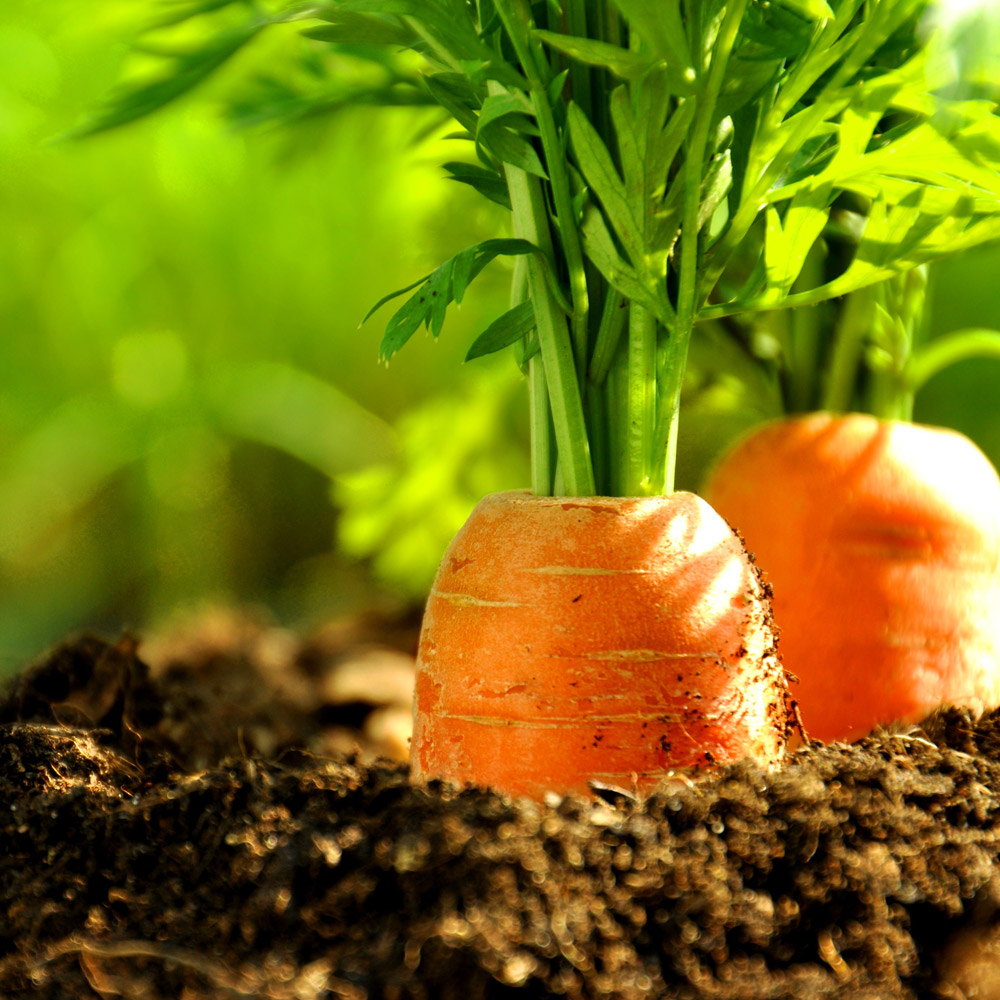 Planting carrots can be easy and rewarding. Carrots can be planted in early spring or late summer. When planting carrots, it is best to sow the seeds directly into amended soil that has been amended with organic material, such as compost. In about 80, days you’ll have incredible carrots in a wide array of colors and sizes to enjoy!
Carrots provide a lot of vitamins and nutrients, including vitamin A and C. Vitamin A keeps our eyes working, our immune system strong, and our cells growing. Vitamin C keeps our immune system strong and helps our bodies heal quickly.
Work carrots into your meals. Start by trying this recipe for a yummy carrot salad. This salad is tart and savory and works as a slaw or as a snack. Carrot Salad Recipe
Peppers
 You won’t be disappointed when you grow peppers! Peppers grow best in the summer months. When planting peppers, sow the seeds inside and transplant the seedlings into amended soil when the plant is strong enough. Peppers are typically ready to enjoy around 80 days after transplanting them into the ground.
Peppers also provide a lot of vitamins and nutrients, including B vitamins, vitamin K, and fiber. B vitamins help our cells grow and stay healthy. Vitamin K helps our bodies heal quickly. Fiber helps with healthy digestion and keeps us feeling full. Eating enough fiber has been shown to keep our hearts healthy, too.
Looking for a creative way to use your peppers? Try this recipe for roasted peppers. These flavorful roasted peppers are stored in a jar and can be used on sandwiches, in pasta, or just for munching. Roasted Peppers Recipe
Basil
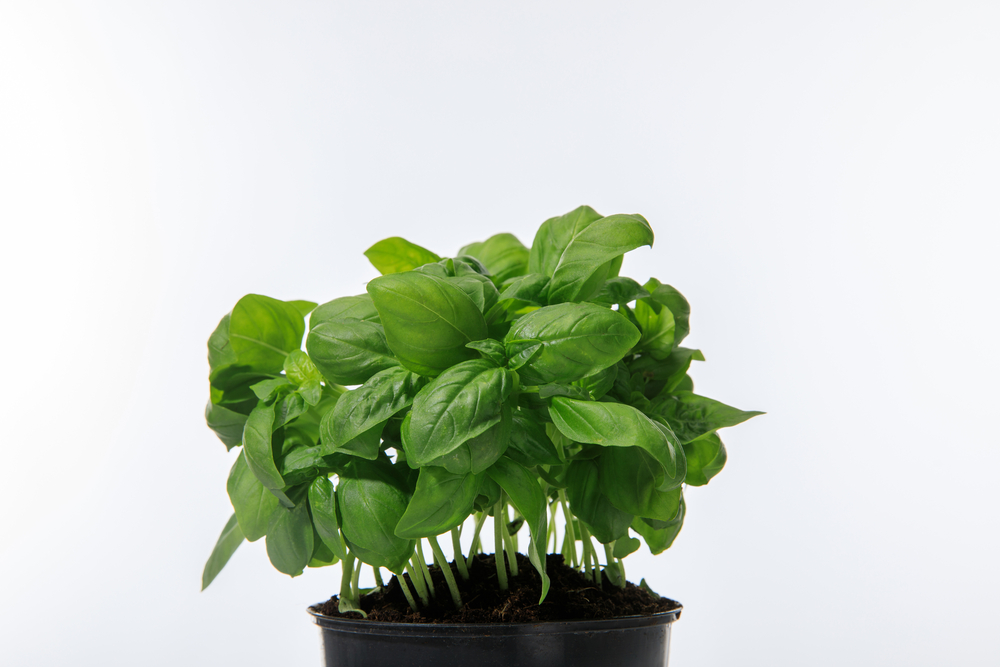 One of the easiest herbs to grow is basil. Basil typically is grown in the spring and summer months and can be directly planted into amended soil. In 30 days, you can enjoy an endless supply of basil leaves until frost.
Basil provides nutrients, such as calcium and magnesium. Calcium helps form and maintain healthy teeth and bones. Magnesium helps with muscle and nerve function, blood sugar levels, and blood pressure.
Want to introduce basil into your family's diet? Try this tasty pesto pasta, sure to be a favorite with the kids and the adults: Pesto Pasta Recipe
Growing Tips
 When planting fruits, vegetables, and herbs, it is important to remember these tips:
- Plants need well-drained, nutrient-rich soil. Adding compost to your soil will enhance and provide more nutrients to the soil.
- Spacing is important when planting. Think about the size your plant will mature to when you plant seeds. Check the planting instructions on your seed packet before planting.
- Make sure your seedlings and plants have access to 6-8 hours of sunlight.
- Watering is essential for growing plants. Here’s some more information about watering your plants. For more sustainable watering, consider collecting water.
- Remember, some plants do better when it’s hot and others when it’s cold. Make sure to protect your plants from extreme temperatures.
Looking for more resources about growing your own food? The Poe Center offers a wide range of gardening resources:
- Visit the Poe Center's online interactive garden. The Poe & Grow Garden is a beautiful illustration of seasonal gardening. Click through the various images to learn more about building and caring for your own garden.
- Follow the Poe Center's weekly nutrition and physical activity tweet series, #PoeFit. Each week, Poe's expert health educators offer simple tips and information on gardening, eating healthy, and staying active.
- Watch the Poe Center's mini-lessons on home gardening. Short how-to videos are available here.
- Plan a program in the Poe Center's onsite teaching garden. Complete with raised beds, accessible paths, a gorgeous teaching mural, and a new apiary, the GrowWELL Garden programs focus on connections between edible gardening and nutrition while students learn about growing fruits and vegetables, why pollinators matter, how to compost, and the science of plants.
Resources:
Nation Nutrition Month
NC Planting Guide
Eat Fresh - Discover Foods
Chop Chop Recipes
Poe Garden Resources
NC State Vegetable Gardening: A Beginner's Guide
National Gardening Association
Featured Poe Video: Making Roasted Veggies
So many beautiful, nutritious vegetables grow in North Carolina soil. Maybe you've harvested veggies from your garden or a community garden, or maybe you've taken a trip to the farmers' market or grocery store. No matter where you get your veggies, this recipe for roasted veggies is a classic easy way to prepare any vegetable. Vegetables come out of the oven flavorful, bright, and make a perfect addition to any meal. Learn how with Poe Center health educator Kristie:
Featured Poe Program: Eat the Rainbow
Participants: 3rd - 8th grades
Program Length: 45 - 60 min
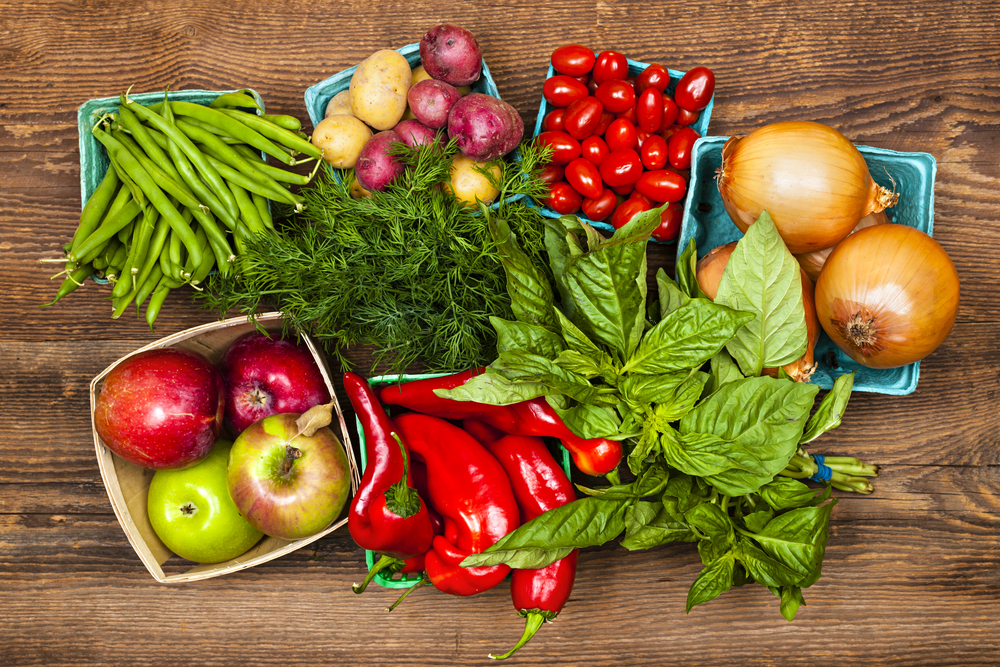 Students will learn how fruits and vegetables provide varied nutrients for their bodies. Additionally, they will discover how each color relates to a different nutritional benefit using the scientific concept of phytonutrients (pigments responsible for the color of fruits and vegetables) and how this concept connects to their broader lives. This is an interactive experience, as students will engage and work in pairs through a series of group learning activities.
Meets Essential Standards: Grades 3 – 5: 3.NPA.2.1, 3.L.2, 4.L.2, 5.L.2; Grades 6 – 8: 6.L.1, 6.L.2, 8.L.5
Programs can be presented online and are great for youth and family groups to participate from home. Call (919) 231-4006 for details.

Stop Before You Pop! Rethink your Drink for a Healthy Smile
Stop Before You Pop! Rethink your Drink for a Healthy Smile
Alaina Hart, MPH, CHES
Senior Health Educator
Dental Health Theater Manager
For many people, there is nothing like an ice-cold soda to “quench” your thirst on a hot day or a hot chocolate to warm you up on a cold evening. When it comes to taking care of our teeth and the rest of our bodies, sometimes we tend to focus on the foods we eat and forget what we drink is just as important. The Center for Disease Control and Prevention (CDC) states that “Sugar-Sweetened Beverages (SSB) are the leading sources of added sugar in the American diet.” SSB such as sodas, fruit-flavored juices, sports drinks, and sweetened coffees or tea can also have serious effects on your teeth. Why does it matter? The sugar and acid in many of these types of drinks break down the hard, protective, outer layer of teeth called enamel. When the enamel breaks down, cavities can form. As we celebrate Children's Dental Health Month, let’s talk about three key things to keep in mind when rethinking what you drink for a healthy smile.
 Choose water.
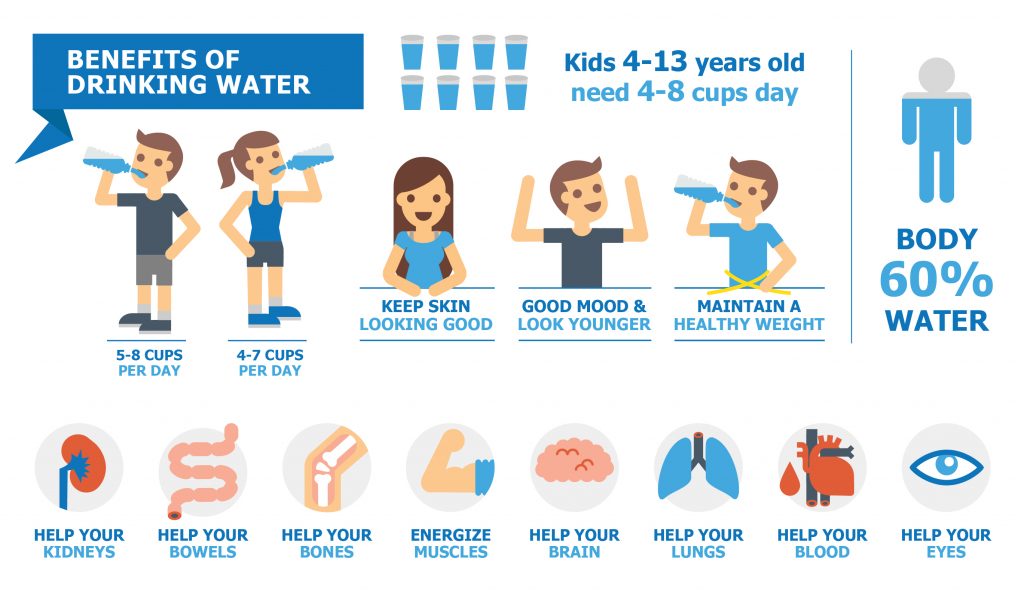
You've likely heard that water is the best choice for a body healthy. Drinking water helps your teeth for specific reasons. When it comes from a safe source, drinking tap water helps protect your teeth from cavities, with a mineral called fluoride. Fluoride can also be found in most toothpaste.
Drinking plain water also helps to wash away leftover foods and cavity-causing bacteria left on teeth, leaving your mouth a little cleaner after you eat.
Read the fine print on “healthy” drinks.
 If eliminating all sugary drinks from your diet is challenging, start small by taking a closer look at the sugars in your favorite SSB. Checking the sugar on the nutrition facts label of your drinks can help you when comparing drink options, especially those that claim to be healthy. Even if it’s made with 100% fruit juice, juices and smoothies tend to be higher in sugar and calories when compared to eating the actual fruit. You may be surprised to find that one glass of fruit juice can have almost as much sugar as a glass of soda. The American Academy of Pediatrics recommends that children under one should not have fruit juice at all and children ages 7-18 years old should limit juice to eight ounces or one cup a day. For adults, the USDA suggests that sugar makes up no more than 10% of your daily diet or about 12 teaspoons for a 2,000 calorie diet.
Sports drinks are meant to help replenish important fluids lost during intense exercise. Many sports drinks contain vitamins and carbohydrates in the form of sugar. For non-athletes, sports drinks are just another sugary drink. Research has shown that drinking too many of these drinks, especially when not involved with high-intensity exercise, can lead to a higher risk of health problems, including dental cavities. When participating in regular exercise, water is the best choice to stay hydrated and maintain physical endurance.
Start Small
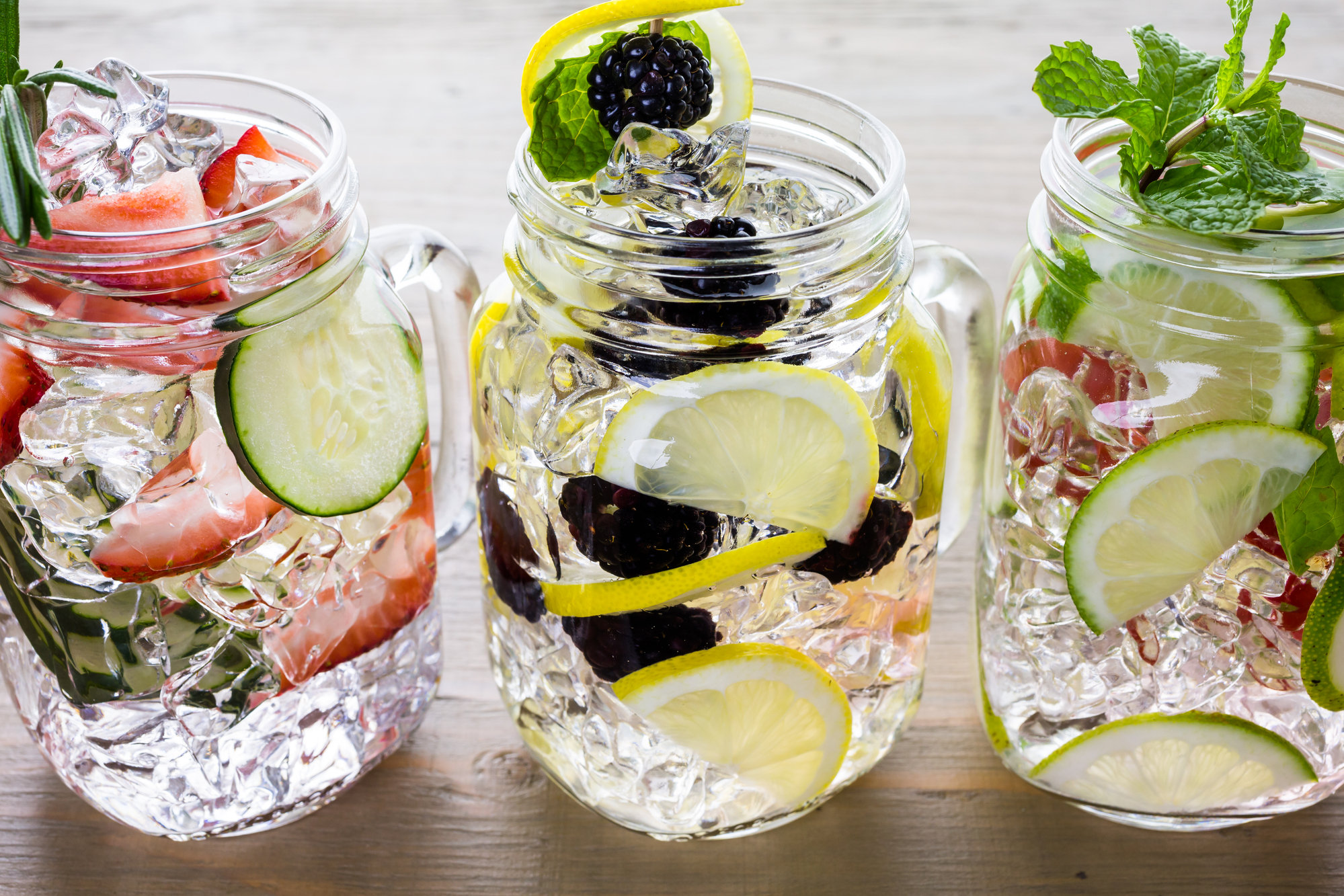
Cutting out sweet tea or your favorite soda all together can be a challenge, and making a lasting change does not happen overnight. Start with small changes to the drinks you already enjoy. You can add flavor to your drinks without adding all the sugar. Flavoring water with fruits or adding a splash of 100% juice to sparkling water keeps some of the bubbles and flavor you may look for from sodas and juices. Also, try slowly reducing the amount of sugar and flavored creams you add to coffees and teas until you can eliminate them completely. These changes can help make the transition to drinking fewer SSB’s a little easier, while still enjoying what you like.
Remembering these tips as you continue making healthy choices about what to drink does not excuse you from keeping up with your oral-hygiene routine. Brush your teeth at least two times a day for two minutes. Floss at least once a day, and if you are able, visit the dentist for check-ups twice a year. Making healthy choices about what you drink can have lasting benefits not just for your teeth, but for your entire body.
Resources:
Get the Facts: Sugar-Sweetened Beverages and Consumption
4 Reasons Water Is the Best Beverage for Your Teeth
Fruit Juice and Your Child's Diet
Featured Poe Video: Terrific Teeth Tuesdays
Originally aired on Terrific Teeth Tuesdays, join Ms. Alaina at the Poe Center for a lesson about keeping your teeth healthy.
Learn about healthy snacks, calcium, keeping teeth clean, and more! Marshall Molar from Delta Dental joins Ms. Alaina on this terrific tour of tooth health.
Featured Poe Program: Super Smiles Online
 Participants: Ages Kindergarten - 3rd Grade
Program Length: 45 min
Programs can be presented online and are great for youth and family groups to participate from home. Call (919) 231-4006 for details.