Alcohol Awareness Month: Don’t wait to talk to your kids about alcohol.
Alcohol Awareness Month:
Don’t wait to talk to your kids about alcohol.
Deborah Hendren, CSAPC – Substance Abuse Prevention Manager
Alcohol use by young people is extremely dangerous - both to themselves and to society - and is directly associated with traffic fatalities, violence, suicide, educational failure, alcohol overdose, unsafe sex and other problem behaviors, even for those who may never develop a dependence or addiction. Adolescence is a time of increased risk-taking, and as alcohol and drugs enter the picture, parents are faced with a unique set of challenges. Alcohol interferes with a person's perception of reality and ability to make good decisions. This can be particularly hazardous for kids and teens who have less problem-solving and decision-making experience.
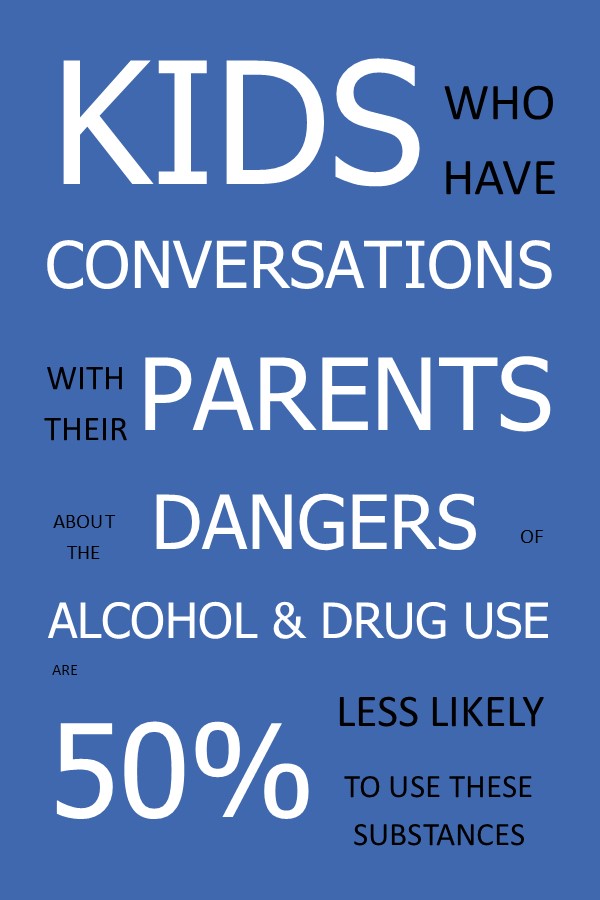
It can be daunting to talk with children about drinking and drug use, but it is well worth the effort parents put into it. In fact, research has shown that kids who have conversations with their parents and learn a lot about the dangers of alcohol and drug use are 50% less likely to use these substances than those who do not have such conversations.
 Here is some information and resources to help you get started.
Short-term effects of alcohol use include:
- distorted vision, hearing, and coordination
- slurred speech
- drowsiness
- emotional changes
- altered perceptions and emotions
- impaired judgment, which can lead to accidents, drowning, and other risky behaviors, such as unsafe sex and drug use
- sleep disruption
- lowered body temperature
- hangovers
Symptoms of excess alcohol intake include:
- nausea and vomiting
- loss of bladder and bowel control
- blackouts, in which a drinker does not remember what happened while he or she was drinking
- temporary loss of consciousness
- coma
- death
Long-term effects of alcohol use include:
- cirrhosis and cancer of the liver
- loss of appetite
- serious vitamin deficiencies
- stomach ailments
- heart and central nervous system damage
- memory loss
- an increased risk of impotence
- high risk for overdosing
- brain damage
- seizures
- delirium
Research has shown that nearly 80% of high school kids have tried alcohol. Although experimentation with alcohol can be common among kids, it's neither safe nor legal. So it's important to start discussing alcohol use and abuse with your kids at an early age and keep talking about it as they grow up.
“Alcohol and drug use is a very risky business for young people,” says Andrew Pucher, President and Chief Executive Officer of NCADD,” and parents can make a difference. "The longer children delay drinking and drug use, the less likely they are to develop any problems associated with it. That’s why it is so important to help your child make smart decisions about alcohol and drugs.”
This April, during Alcohol Awareness Month, the Poe Center for Health Education encourages you to educate yourself and your loved ones about the dangers of alcohol. Long before your kids are presented with a chance to drink alcohol, you can increase the chances they will not be another statistic.
Learn more about talking with your child about alcohol.

Sources:
- The Effects of Alcohol Use. Drug Abuse.com
- Alcohol Awareness Month. US Department of Health and Human Services
Program Highlight: The Science of Addition
Interested in bringing information about alcohol use to your school or organization? The Science of Addiction is the newest Poe Center program developed within the Drug Education theater. This 75 minute session is targeted for 9th-12th graders.
The Science of Addiction is an interactive presentation involving discussion and role play to highlight the neurological ramifications when a psychoactive drug is introduced in the brain. Students will categorize drugs as hallucinogens, stimulants, and depressants and explain the characteristics of each, identify the neurotransmitters impacted by the introduction of the psychoactive drugs and describe the symptoms of drug use based on the neurotransmitters involved. Additionally, students will understand the biological constructs of tolerance and withdrawal.
Learn more about The Science of Addiction and other drug education programs.
To plan a program with the Poe Center, call (919) 231-4006 or schedule on line.

For the Classroom: MyPlate Echo Chant
For the Classroom: MyPlate Echo Chant
Dana M. Orr, BS, MBA - Senior Health Educator
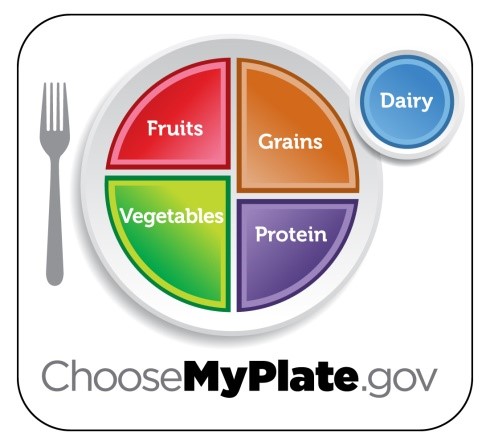
During National Nutrition Month or any time of the year, teachers can use meal and snack times to help their students identify in which food groups foods belong. This activity teaches students the main messages of each food group, while having fun echo chanting. In the classroom, cafeteria and on the playground, educators can help students make healthy choices by using MyPlate!
MyPlate Echo Chant
Eating foods like on MYPLATE (point to MyPlate)
Help us look and feel just great! (point to mouth and smile)
Orange is grains, eat half of them whole (point to Grains group)
Energy from pasta in our bowl (pretend to eat)
Purple is protein, eat it lean! (point to Protein group)
Build your muscles with meats and beans! (make a muscle)
Blue is dairy, calcium please! (point to Dairy group)
Strong bones and teeth with milk and cheese! (point to teeth)
Red is fruits, let’s focus on these (point to fruits group)
Vitamins from those we pick from trees (Reach and pretend to pick fruit from tree)
Green is veggies, let’s eat many (point to vegetables group)
Fiber’s our friend, we’ll get plenty! (Rub tummy)
Eating foods like on MYPLATE (point to MyPlate)
Help us look and feel just great! (Point to mouth and smile)
Copyright Dana Orr October 2015
Book a Program with Poe:
The Poe Center offers a number of nutrition and physical activity programs which include engaging activities, tips, tricks, and fun facts about nutrition and fitness for children, parents, and educators. To book a program, call 866-402-4799 or schedule on line.
Op-Ed: Choose Mindful Eating Over Fad Diets
Op-Ed: The "Slow Down and Enjoy" Diet: Choose mindful eating over fad diets
Marjorie Lanier, MPH - Health Educator
Bring up diets with friends, family or colleagues, and you’ll hear a million reasons why one is better than another. Diets tend to place foods into distinct categories—good vs. bad, permitted vs. forbidden-- and focus on the mistakes we make with our eating. If the “food-shaming” approach works so well, then why do we oscillate between the “fad diet du jour” with such frequency?
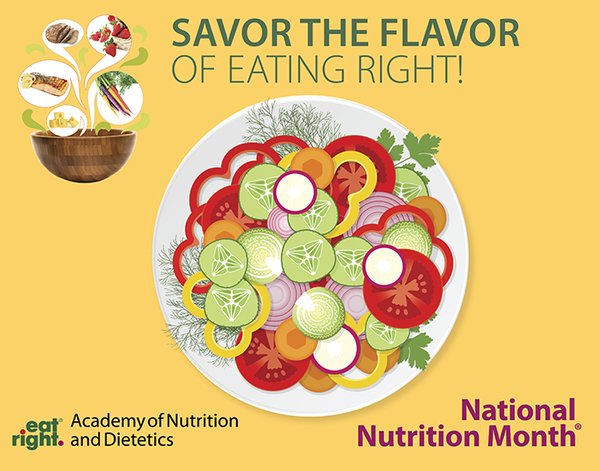
March is National Nutrition Month®. I was thrilled to learn that this year’s theme is "Savor the Flavor of Eating Right,” which encourages individuals to take time to enjoy food traditions and appreciate the pleasures, great flavors and social experiences food can add to our lives. In fact, it’s not a diet at all. It’s a conscious choice that we make to slow down and taste and enjoy the food we’re eating completely. It also challenges us to consider how the foods we’re eating can add to our health in a positive way. For example, when we choose to take bites of nutrient-dense foods, such as fruits and vegetables versus food-like substances out of a box, we might consider the sustained energy it is giving our bodies or its ability to help protect against heart attack, stroke or even some types of cancers.
Some refer to this approach of eating as “mindful eating.” Mindful eating means eating with intention and attention. It reminds us to choose foods that provide nourishment and also pay attention to what is happening around us and inside of us that can influence our eating. The Academy of Nutrition and Dietetics shares these tips for becoming more mindful eaters and enjoying healthy foods:
- How, when, why and where we eat are just as important as what we eat. Enjoying the sights, sounds, memories and interactions associated with eating is essential to developing an overall healthy eating plan.
- Develop a mindful eating pattern that includes nutritious and flavorful foods, while also taking the time to enjoy everything that a healthful and tasty meal brings with it. That's the best way to savor the flavor of eating right!
- It is possible to enjoy the taste and flavor of food while still maintaining a healthy diet. Take time to enjoy food traditions and find creative, healthful and nutritious ways to add flavor to food. An eating pattern based on the 2015-2020 Dietary Guidelines and MyPlate recommendations can accommodate the food preferences, cultural traditions and customs of many diverse groups.
- A registered dietitian nutritionist can provide sound, easy-to-follow personalized nutrition advice to meet your lifestyle, preferences and health-related needs.
Eatright.org includes helpful articles, recipes, videos and educational resources to spread the message of good nutrition and an overall healthy lifestyle for people of all ages, genders and backgrounds. Consumers are also encouraged to follow National Nutrition Month on the Academy of Nutrition and Dietetics social media channels including Facebook and Twitter using the #NationalNutritionMonth hashtag.
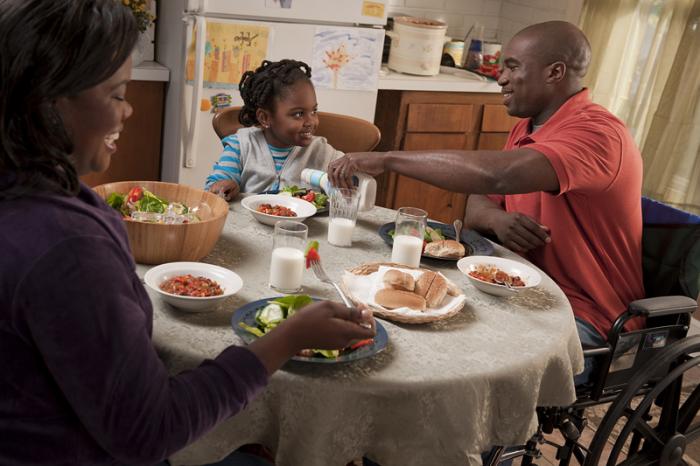
For the Classroom: Healthy Teeth, Healthy Bodies
For the Classroom: Nutrition for Your Teeth
Robin Pittman, MS, CHES - Health Educator
Most elementary-school-age kids know that the basics of good oral care include:
- brushing their teeth twice a day,
- flossing each day, and
- visiting the dentist twice per year.
The food they eat is equally as important to their dental health. Nutrition is important for every cell in our bodies, including teeth and gums. Here is a simple activity that shows kids the importance of nutrition for not only our bodies, but also for our dental health.
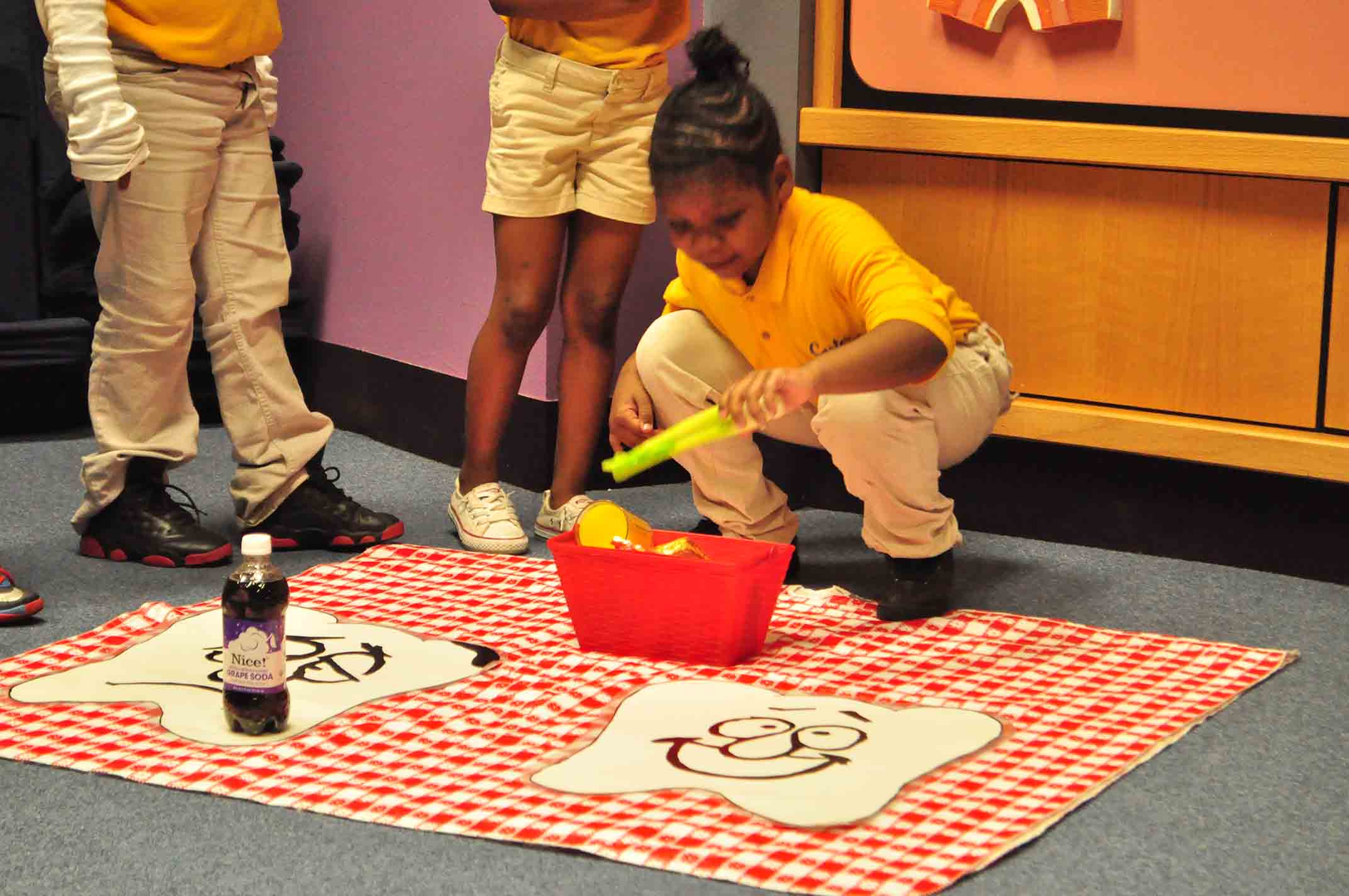
Supplies needed:
10 play food items (a mix of healthy items and not healthy items)
2 laminated teeth (one smiling and one sad)
- Ask two volunteers to assist.
- Instruct one volunteer to pull out unhealthy foods and drinks from the container and place them on the tooth that is not smiling. We call this tooth “Sad Sal."
- Instruct the other volunteer to pull out food and drinks that are healthy and place them on the smiling tooth. We call this tooth “Happy Hal."
- After items are placed on each tooth, ask the class if each individual food is healthy or unhealthy for the tooth. Have the students respond with a “Thumbs Up; Thumbs Down” method:
Here are some examples of Healthy Foods:
- Crunchy fruits & vegetables that don't stick to the teeth. (apples, carrots, celery)
- Raisins are made from grapes; so they are healthy. But raisins are sticky and hold the fruit's sugar on the teeth. So it's important to brush your teeth afterwards.
- Milk with calcium? Is it crunchy or sticky? Neither, but it is very healthy for your teeth because the calcium in milk and foods made from milk makes your teeth and bones stronger. Say "calcium."
- Foods with calcium: yogurt, cheese, orange juice with calcium added. Calcium can also be found in broccoli and other foods.
Here are some examples of Unhealthy Foods:
- Sticky foods that stick to teeth & hold the sugar on your teeth.
- Sodas or any beverage with sugar. The only drinks we need to drink are water and milk.
- All foods with a lot of sugar- cookies, candy, brownies and cakes.
Book a Program with Poe:
The Poe Center offers a number of dental health programs which include engaging activities, tips, tricks, and fun facts about dental health for children, parents, and educators. To book a program, call 866-402-4799 or schedule on line.

Five Common Dental Health Mistakes
Five Common Dental Health Mistakes:
Maggie Perkins, RD, LDN - Nutrition Health Educator
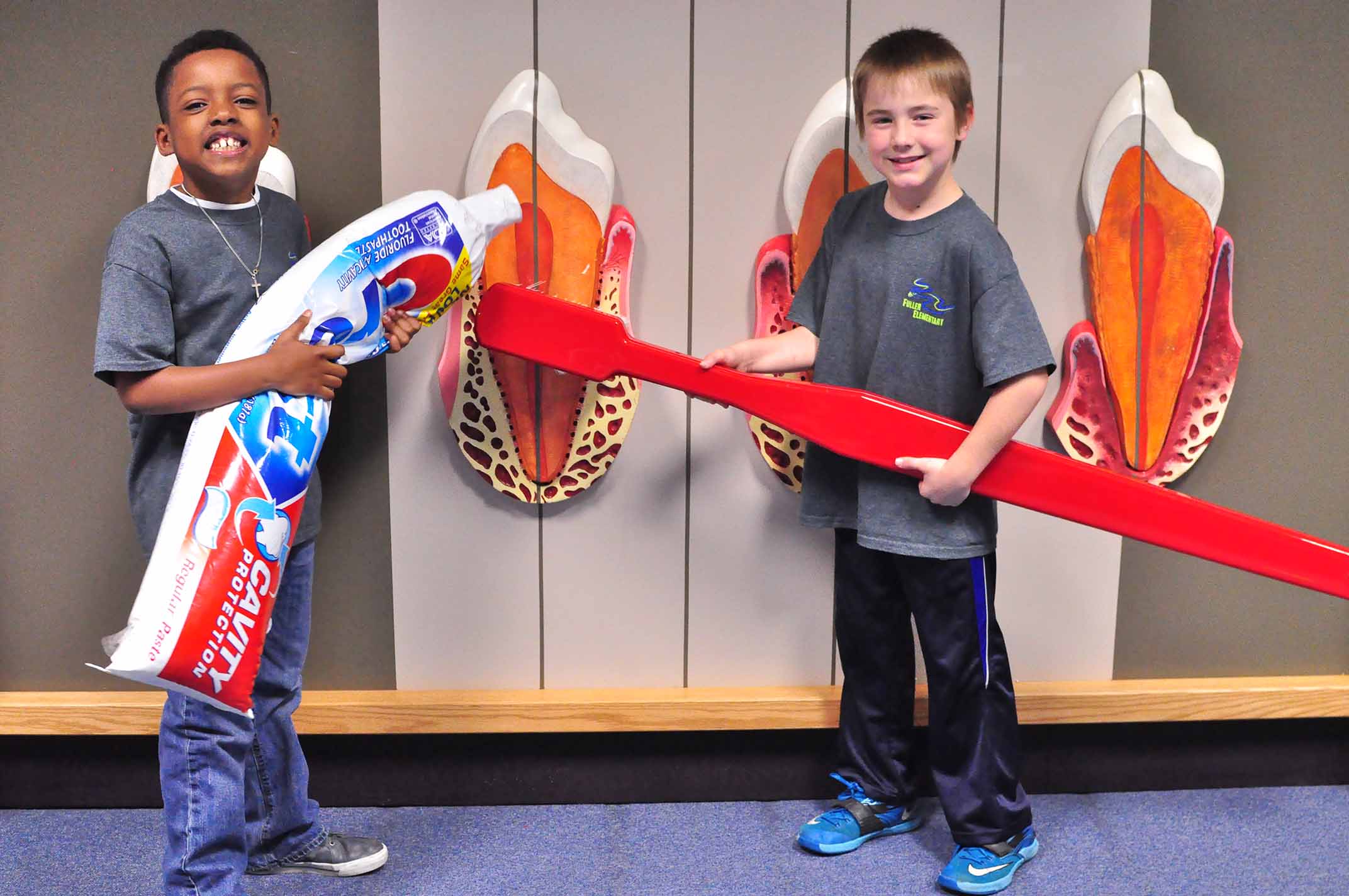
February is National Children’s Dental Health Month, which brings awareness to the benefits of good oral health for children and their caregivers 1. Creating healthy dental habits is important for overall health and quality of life. So in honor of this initiative, let’s explore five common mistakes people make when caring for their teeth, which can be detrimental to dental health.
Inconsistent dental appointments: It all starts with that one missed appointment, and before you know it, it’s been a year since you have visited the dentist. Life can be busy, but it is important to make dentist appointments a priority for your health. The dentist will help recommend the frequency of dental appointments, but for most children and adults, it is recommended to visit the dentist every six months. Personalized oral care by your dentist is vital for oral health 2.
Forgetting to floss: Teeth need a daily regimen of care, which includes more than brushing your teeth. Flossing once a day is necessary to remove bacteria that gets between the teeth where a tooth brush cannot reach. The Academy of General Dentistry declared flossing the single most important method to reduce plaque 3.
Poor brushing: It is recommended to brush your teeth two times a day for two minutes each time. Children and adults are often slack on the amount of time spent brushing. Try this experiment. Set a timer for two minutes next time you brush your teeth and see how it feels to brush for this amount of time.
Also, make sure you brush every morning and evening. If you eat a sweet treat, wait approximately 30 minutes and brush an extra time during the day to get the sugar bugs off your teeth4. You do not need to brush your teeth hard to be effective. Use a soft bristled tooth brush and be gentle as you brush your teeth and gums.
Not drinking enough water: Water is a great choice for oral health! Tap water has fluoride in it which prevents tooth decay. Be aware that most bottled water does not contain fluoride5. Also, avoid beverages that are high in sugar, such as juice, soda, and sports drinks. The extra sugar can cause cavities.
Eating too few fruits and vegetables: On average, only 1 in 5 children ages 6-11 in North Carolina eat the recommended amounts of fruits and vegetables 6. Fruits and vegetables are beneficial for dental health, because they are rich in vitamins, minerals, and antioxidants which keep gums healthy and help prevent oral infections 7. Also, crunchy fruits and vegetables, such as carrots, celery and apples help to scrape plaque off teeth.
The Poe Center offers a number of dental health programs which include engaging activities, tips, tricks, and fun facts about dental health for children, parents, and educators. To book a program, call 866-402-4799 or schedule on line.
References:
-
- February is National Children's Dental Health Month. American Dental Association.
- American Dental Association Statement on Regular Dental Visits. American Dental Association.
- Facts About Flossing. Delta Dental.
- Is Brushing Teeth After Eating Good for You? Colgate Oral Care Center.
- Bottle water: Cause of cavity comeback? Delta Dental.
- Enjoy More Fruits and Vegetables. NC Cooperative Extension.
- What to eat to keep your teeth. Delta Dental.
For the Classroom: Physical Activity Dice
For the Classroom: Physical Activity Dice
Nicolas Charron, ACSM EP-C - Physical Activity Health Educator
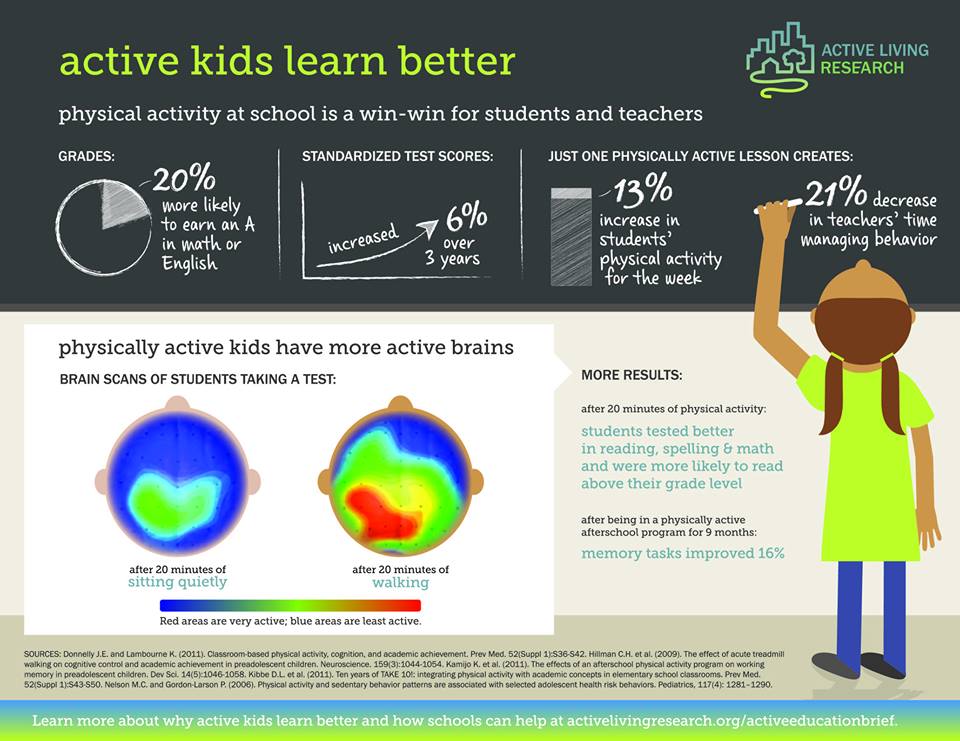
As educators, we know that active kids learn better. In fact, according to Active Living Research, after 20 minutes of physical activity, students test better in reading, spelling and math and are more likely to read above their grade level.
So how do you incorporate physical activity into the lesson when it's too cold to go outside? Try Physical Activity Dice. Health Educators at the Poe Center like to use this game when it's too cold to go outside and when there may be a limited amount of space to play.
Physical Activity Dice
Here is how you play.
Supplies:
![IMAG0578[1]](https://www.poehealth.org/wp-content/uploads/2016/01/IMAG05781-150x150.jpg) One or more six-sided dice. Normal board-game dice work well, but big foam dice are a lot of fun for the kids to roll. The more dice you use, the more activity students will get.
One or more six-sided dice. Normal board-game dice work well, but big foam dice are a lot of fun for the kids to roll. The more dice you use, the more activity students will get.- Activity Strips - Think of as many different exercises/silly movements as you can and write them down on thin strips of paper - one exercise per strip. Fold the strips in half and place them in a hat, bowl or bucket. Add a little math to the activity by writing a multiplier next to each exercise on the slips of paper. When a participant rolls the dice, he or she will have to multiply the die number with the number on the activity strip.For example: A student rolls a two and selects an activity strip with calf raises x 10. Now the whole class has to do 20 calf raises, instead of two, making the exercise more rigorous. For harder exercises, such as push ups, multiply the exercise only by two; so the class only has to do 12 repetitions.
![IMAG0578[1]](https://www.poehealth.org/wp-content/uploads/2016/01/IMAG05781.jpg)
Now we are ready to play.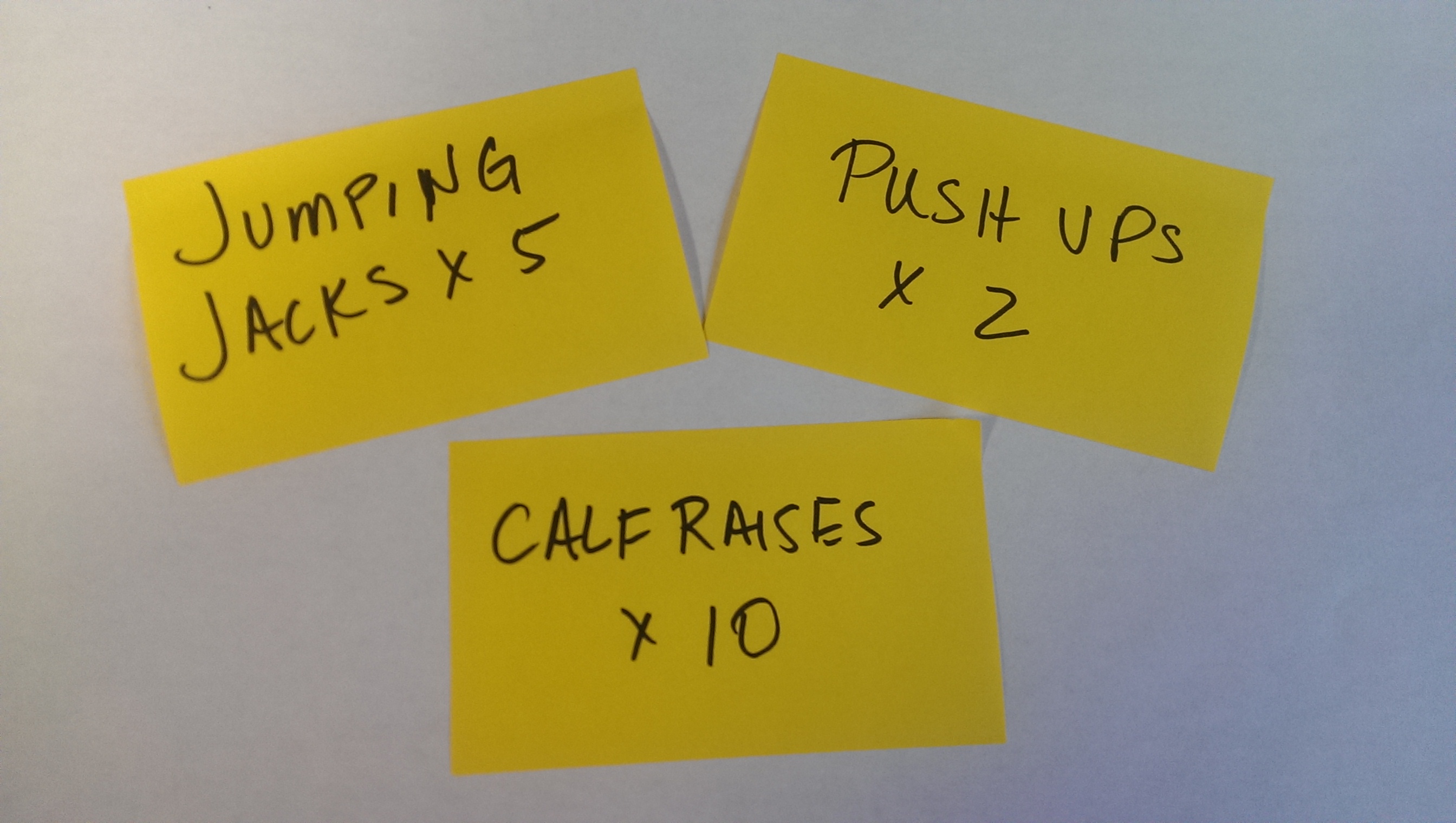
- Ask for two volunteers to come to the front of the class. The first student picks an activity strip from the bucket or bowl. Ask the student to demonstrate the exercise.
- The second volunteer rolls the dice and announces the math problem "5 Jumping Jacks x 5." Allow the class to call out the answer, "25 Jumping Jacks!" If you're using multiple dice, add the numbers from each die, then multiply the sum by the number on the activity strip.
- Have the two volunteers lead the class in the exercise. Have them perform the activity at a slow pace; so the rest of the group can follow along. Have the class count together as they do each exercise. If anyone needs to stop for any reason or does not want to participate, have them sit down at his/her desk.
- Repeat as many times as you wish. 10-15 minutes is recommended.
Seven Ways to Keep your Exercise Routine in Full Gear During the Winter Months
Seven Ways to Keep your Exercise Routine in Full Gear During the Winter Months
Nicolas Charron, ACSM EP-C - Physical Activity Health Educator
Exercising in the winter can be a tough proposition. Finding the motivation to keep physically fit can be challenging, especially on those days when it seems much more appealing to stay warm and cozy on the couch. If you want to keep up with your New Year's exercise resolutions or are just eager to stay active, here are some must-know tips to help you prep for exercise during cold winter days.
 1. Check the temp outside.
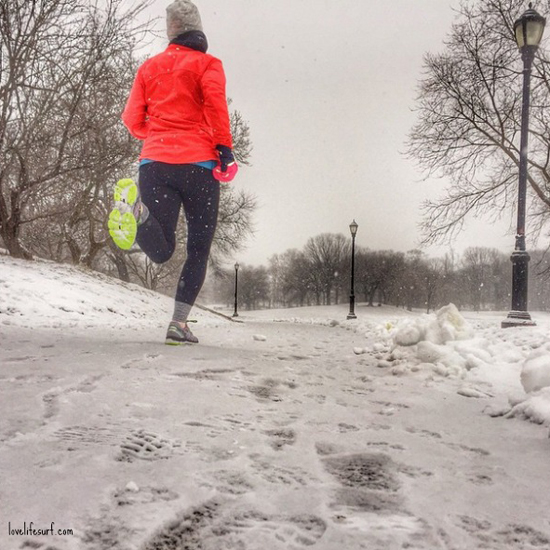
In North Carolina, this particular tip may not be as critical as in Maine or Michigan, but it's good to know none the less. Exercising for prolonged periods of time in a cold environment (especially if proper precautions are not followed) can increase your risk of hypothermia and frostbite.
Many factors should be considered for safe winter fitness: outside temperature, layering, and exercise duration and intensity. To put it simply, be aware of the temperature fluctuations where you live, with particular regards to windchill.
2. Drink plenty of water and use sunscreen.
Winter is normally associated with cold, cloudy weather. For this reason, many people may not think to use sunscreen to protect exposed skin and place less importance on drinking more water and eating more water-filled foods during the winter. This can be dangerous. Hydration and sun protection are equally important during cold weather as they are during warmer times of the year.
You are more likely to sweat when you're bundled up, which can lead to dehydration. Additionally, even though the winter sun may not feel as intense as in the summer, prolonged exposure can still be very damaging to your skin. So be sure to drink plenty of water and apply sunscreen when exercising in cold weather.
3. Dress the part.
When exercising outdoors during the winter, make sure you're properly dressed for the activity. Appropriate clothing is a very important component of outdoor fitness in general, but especially in colder temperatures. Without proper insulation, your muscles are much more prone to cramping and stiffness, which can lead to injury. Additionally, tight fitting clothing becomes damp more easily, which increases your risk of hypothermia and other ailments.
- Wear loose fitting clothing.
- Dress in layers.
- Wear water wicking fabrics in order to stay dry.
4. Warm up.
Warming up adequately is always important, but it is even more critical before training in a cold climate. Your muscles and joints are more prone to stiffen in colder temperatures, which may lead to cramps and injuries. So take the extra time to warm up before going outside to exercise.
5. Mix it up and make it fun!
Winter exercise offers many options. If you live in the snowier sections of NC, consider seasonal exercises, such as cross-country skiing, snowboarding or down-hill skiing. Even something as simple as a snowball fight with friends will introduce an element of fun into your routine. The winter months can be a nice opportunity to get out of your exercise rut and do something you don't ordinarily do.
6. Bring it inside.
Be flexible with your routine. NC is bound to get ice and/or snow, at some point. Plus, you may occasionally just not feel up to braving the elements. When this happens, don't let the weather get in the way of your regimen. Try some alternative indoor activities, such as yoga or dance. The gym is also always a great option!
7. Maintain your motivation.
Stay motivated! Take your exercise routine day by day. It's a marathon, not a sprint. When you maintain a regular schedule of moderate exercise five days a week for an extended period of time, the results can be dramatic. Even short sporadic periods of intense exercise during the winter is important to overall health.
Keep it safe, make it fun and stay motivated.
Resources:
Physical activity during winter months, indoors and out. Michigan State University Extension
11 ways to stay active in winter. Heart & Stroke Foundation
Celebrate Poe! Support Poe!
Celebrate Poe! Support Poe!
Leigh Day - Vice President of Marketing Services Red Hat, Poe Center Board of Directors

Parents have a lot to worry about. Worry that their children might get bullied at school. Worry that drugs will enter their lives along with strong peer pressure. Concern that lack of confidence will lead to bad choices that will have a lifetime of implications. We rely on a support system to teach our children why and how to make healthy decisions and hope these lessons will not be forgotten or dismissed.
For almost 25 years, the Poe Center for Health Education has made it their mission to stand up for children and families in North Carolina. Addressing the hard issues, such as hunger and addiction, this organization has reached into our communities to empower people with information and confidence to make healthy choices. The Poe Center is a safe environment that supplements the teachings of our school system with information on nutrition, dental health, brain health, drug prevention, family planning and healthy habits. The staff drives hours into counties whose kids need extra care and nurturing so they can stay focused, finish school and support their communities.
The Poe Center is an unsung hero in our community that should be celebrated. They are here to support families and educators, helping us raise future leaders of healthy, empowered people. The Poe Center is committed to feeding kids during the summer, committed to speaking out on major issues that create real struggles for families, committed to having the tough conversations.
With all the help and service the Poe Center provides, it is also up to us to support the mission of this organization with our monetary support. The Poe Center needs donations. If you are a parent in North Carolina, it is probable your child has experienced the Poe Center during a field trip or traveling program. Consider the direct value your family has, or will, receive from the Poe Center and think about making a contribution. It could mean that more children receive some help or education that could be missing in their lives. Our state needs the Poe Center to continue to grow and thrive.


Empower NC Families with a Year-End Donation

Provide Opportunities in Education:
Empower NC Families with a Year-End Donation.
Looking for a meaningful gift to give this holiday season? Give the gift of health education.
Make a donation to the Poe Center and support North Carolina families, such as the Armstrongs.
Meet Nicole Armstrong
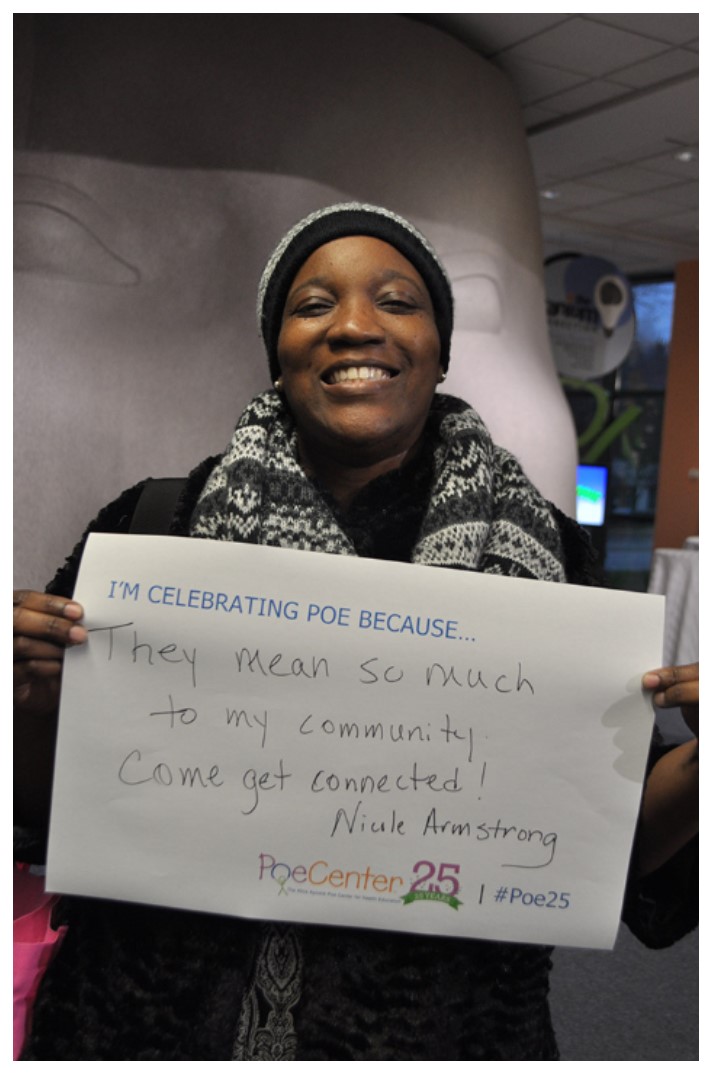
Nicole Armstrong celebrates Poe because of the Center's impact on her family and community. Her daughter Elise attended the Poe Center’s Healthy Habits Camp, a free summer camp for eligible children, for two years before becoming a camp counselor. Last summer she clocked 40 volunteer hours and says “Healthy Habits Camp was her favorite week of summer break.” Ms. Armstrong takes advantage of Poe’s programs for parents, such as “Parents Matter,” a workshop which helps parents talk with their children about sexual health and responsibility. The programs have been so helpful that the Armstrongs often bring family and friends with them to Poe’s programs.
Your $15 donation will provide health education to one child.
$250 will underwrite the Poe Center’s cost to provide health education to a classroom.
For the Classroom: Activities to Help Prevent Type 2 Diabetes in Children
For the Classroom: Activities to Help Prevent Type 2 Diabetes in Children
Marjorie Lanier, MPH - Healthy Communities Facilitator, Southeastern NC
Type 2 diabetes is a disease that results in blood sugar levels being too high. If blood sugar levels stay too high for too long, it can damage the heart, eyes, kidneys, nerves, and even the teeth and gums. In the past, only adults got type 2 diabetes. However, as more children and adolescents in the United States become overweight or obese and inactive, type 2 diabetes is on the rise among young people. The Centers for Disease Control estimate that approximately 17% (or 12.7 million) of children and adolescents in the United States aged 2—19 years are obese.
The first stage in the development of type 2 diabetes is often insulin resistance, requiring increasing amounts of insulin to be produced by the pancreas to control blood glucose levels. Initially, the pancreas responds by producing more insulin, but after several years, insulin production may decrease and diabetes develops. Type 2 diabetes usually develops slowly and may occur without symptoms.
Diabetes screening is recommended for all children and adolescents at high risk, even if they have no signs or symptoms of the condition. A child may be at high risk if he or she:
- Is overweight
- Has a sibling, parent, grandparent, aunt, uncle or cousin with type 2 diabetes
- Is black, Hispanic, Native American, Asian-American or Pacific Islander, as these racial groups have a higher incidence of type 2 diabetes
- Has signs of insulin resistance, such as darkened skin on the neck or armpits
A child should also see his or her doctor if any of the signs or symptoms of diabetes are present — increased thirst and urination, increased hunger, weight loss, fatigue, blurred vision, slow-healing sores, or frequent infections.
How Can You Help?
Promoting a healthy weight through healthful eating and more physical activity is the best way to prevent a child’s risk for developing type 2 diabetes. Check out resources that can be used in the classroom to promote healthy habits:
MyPlate Activity Sheets- a variety of printable activities that offer kids ideas and tips for healthier eating
Blast Off- an interactive website game that challenges kids to build a healthy plate
Energizers - classroom based physical activities for grades K-8 that integrate physical activity with academic concepts
Activity Bursts for the Classroom- shows elementary schools how to restructure physical activity into multiple, brief episodes throughout the day without taking away valuable time for classroom instruction
GoNoodle - offers 5-minute brain breaks that can be used to calm, focus, or energize students. Sign up is free.
References:
Overview of Diabetes in Children and Adolescents, From the National Diabetes Education Program.
National Diabetes Education Program, a partnership of the National Institutes of Health and the Centers for Disease Control.